
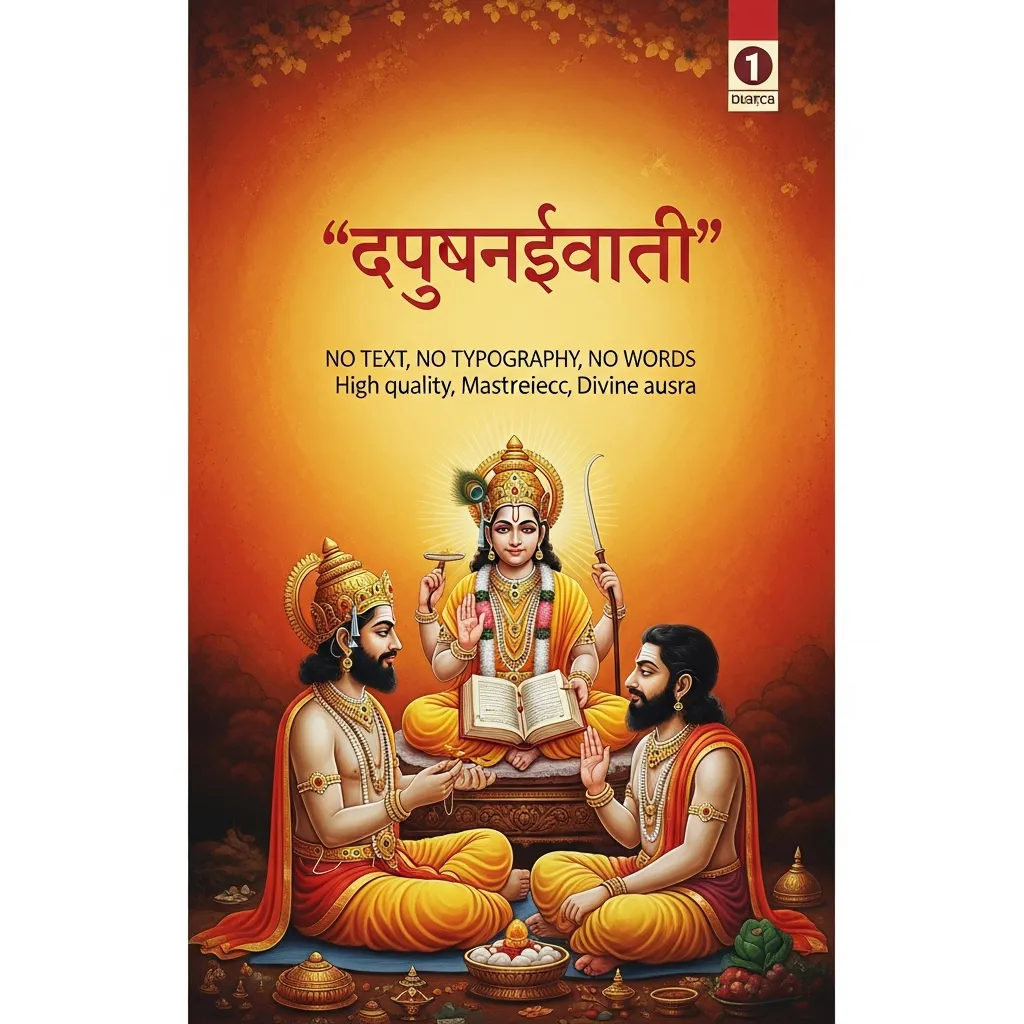
Dnyaneshwari
✍️ Ovi

Dnyaneshwari

भावार्थदीपिका

👤 संत ज्ञानेश्वर 13th Century (1290 CE)
📋 18 Chapters 📜 7 Verses
Dnyaneshwari is a profound commentary on the Bhagavad Gita composed by the child-saint Dnyaneshwar in the 13th century. It is the cornerstone of the Warkari devotional movement and is revered for its literary beauty and philosophical depth. By translating the complex Sanskrit concepts into the local Marathi language, it democratized spiritual knowledge for the common people.
📊 Chapter-wise Verse Summary
Chapter Name Verses
1 Arjun-Vishad Yoga 66
1 अर्जुनविषादयोग 1
1 Arjun Vishad Yoga 20
1 Arjun-Vishad Yoga 8
1 Arjun-Vishad Yoga (Introduction) 1
2 Sankhya Yoga 279
2 Sankhya Yoga 102
3 Karma Yoga 267
4 Jnana-Karma-Sanyasa Yoga 56
4 Jnana-Karma-Sanyasa Yoga 169
4 Yoga of Knowledge and Action 1
5 Sanyasa Yoga 8
5 Sanyasa Yoga 98
5 The Yoga of Renunciation 1
5 Yoga of Renunciation 3
5 Yoga of Renunciation of Action 1
6 Atmasanyam Yoga 7
Total 379
Chapter 6, Verse 1

आतां आत्मानुभवें चोखडा । जो योगु हा सुहाडा । तो सांगिजेल निवाडा । अवधारिजो ॥ १ ॥

"Now, this pure Yoga of self-experience, which is so beautiful, shall be explained clearly; please pay heed."

आतां Adverb
Ātāṃ
आता
Now
आत्मानुभवें Noun
Ātmānubhavēṃ
आत्म-अनुभवाने
By self-experience
चोखडा Adjective
Cōkhaḍā
शुद्ध किंवा निर्मळ
Pure or clean
सुहाडा Adjective
Suhāḍā
सुंदर किंवा उत्तम
Beautiful or excellent
सांगिजेल Verb
Sāṅgijēla
सांगितले जाईल
Will be told/explained
निवाडा Adverb
Nivāḍā
स्पष्टपणे किंवा निवडून
Clearly or decisively
अवधारिजो Verb
Avadhārijō
लक्ष देऊन ऐकावे
Listen attentively

💡 Meaning

Now, the pure Yoga of self-realization, which is beautiful and excellent, will be explained clearly; please listen to it attentively.

Chapter 6, Verse 2

जें संन्यास ऐसें म्हणती । तोचि योगु जाण पां सुमती । जे संकल्पु सांडिल्यावांचूनि न होती । योगी केही ॥

ज्याला संन्यास असे म्हणतात, तोच योग आहे असे तू समज. कारण संकल्पाचा त्याग केल्याशिवाय कोणीही योगी होऊ शकत नाही.

"What they call renunciation, know that to be Yoga, O wise one; for no one becomes a Yogi without renouncing their intentions."

संन्यास Noun
Sannyas
त्याग किंवा संन्यास
Renunciation
योगु Noun
Yogu
कर्मयोग किंवा साधना
Union or Yoga
सुमती Noun
Sumati
चांगल्या बुद्धीचा (अर्जुन)
One with good intellect
संकल्पु Noun
Sankalpu
मनातील इच्छा किंवा विचार
Will or Intention
सांडिल्यावांचूनि Other
Sandilyavanchuni
त्याग केल्याशिवाय
Without abandoning

💡 Meaning

Know that what is called renunciation is actually Yoga. No one can become a Yogi without giving up their mental desires and intentions.

Chapter 6, Verse 3

आरुरुक्षोर्मुनेर्योगं कर्म कारणमुच्यते । योगारूढस्य तस्यैव शमः कारणमुच्यते ॥

तरी संन्यास आणि योगु । हा एकचि कीं विभागु । जैसा नामभेदें प्रसंगु । एकाच अर्थाचा ॥ ३ ॥

"Therefore, Sannyasa and Yoga are one and the same; know this for certain. It is like different names for the same essence."

संन्यास Noun
Sannyasa
त्याग किंवा संन्यास
Renunciation
योगु Noun
Yogu
कर्मयोग किंवा जोडणे
Yoga or Union
एकचि Adjective
Ekachi
एकच
One and the same
विभागु Noun
Vibhagu
भाग किंवा विभाग
Division or Part
नामभेदें Adverb
Namabhede
नावाच्या फरकाने
By different names
अर्थाचा Noun
Arthacha
अर्थाचा
Of the meaning

💡 Meaning

Sannyasa and Yoga are one and the same division; it is like different names referring to the same meaning.

Chapter 6, Verse 4

यदा हि नेन्द्रियार्थेषु न कर्मस्वनुषज्जते । सर्वसंकल्पसंन्यासी योगारूढस्तदोच्यते ॥

जेथ संकल्पाचां पायीं । विरक्ति जाली पाहीं । तेथ योगारूढु होई । ऐसें जाणा ॥

"Where detachment from the very root of desires occurs, know that one has become established in Yoga."

संकल्पाचां Noun
Sankalpacham
इच्छा किंवा विचारांच्या
of desires or mental constructs
विरक्ति Noun
Virakti
अलिप्तता किंवा वैराग्य
detachment
योगारूढु Adjective
Yogarudhu
योगाच्या शिखरावर बसलेला
established in Yoga
जाणा Verb
Jana
ओळखावे किंवा समजावे
to know or understand
पायीं Noun
Payi
ठायी किंवा मुळे
at the place of or due to

💡 Meaning

When detachment occurs at the very root of desires (Sankalpa), know that the person has become established in Yoga.

Chapter 6, Verse 5

उद्धरेदात्मनात्मानं नात्मानमवसादयेत् । आत्मैव ह्यात्मनो बन्धुरात्मैव रिपुरात्मनः ॥

जेथ आपणचि आपणया। सोडविजे धनंजया। तरीच आपणया। आपण सखा॥

"Where one liberates oneself by one's own self, O Dhananjaya, then only is one a friend to oneself."

आपणचि Pronoun
Apanachi
स्वतःच
oneself only
सोडविजे Verb
Sodavije
मुक्त करावे / सोडवावे
should liberate
धनंजया Noun
Dhananjaya
अर्जुनाचे एक नाव
Arjuna (conqueror of wealth)
सखा Noun
Sakha
मित्र
friend
आपणया Pronoun
Apanaya
स्वतःला
to oneself

💡 Meaning

One should uplift oneself by one's own efforts; for one is truly their own friend and their own enemy.

Chapter 6, Verse 6

जेथें अर्जुना हें चित्त । आपणया आपणचि होय मित्र । तरी आपणया आपणचि घात । आपणचि करी ॥ ६ ॥

"Where, O Arjuna, this mind becomes its own friend, there it also causes its own destruction."

चित्त Noun
Chitta
मन किंवा अंतःकरण
Mind or consciousness
मित्र Noun
Mitra
दोस्त किंवा साहाय्यक
Friend or ally
घात Noun
Ghaat
नाश किंवा नुकसान
Destruction or harm
आपणया Pronoun
Aapanaya
स्वतःला
To oneself
करी Verb
Kari
करतो
Does or performs

💡 Meaning

O Arjuna, when this mind becomes its own friend, it helps itself; otherwise, it causes its own destruction.

Chapter 6, Verse 7

जितात्मनः प्रशान्तस्य परमात्मा समाहितः । शीतोष्णसुखदुःखेषु तथा मानापमानयोः ॥ ७ ॥

जेथें अर्जुना हें चित्त । आपणयांतें आपणचि पाहत । तें पाहोनि सुखें डुलत । आपणचि होय ॥ ७ ॥

"Where, O Arjuna, this mind sees itself within itself, and seeing that, it sways with joy and becomes that itself."

चित्त Noun
Chitta
मन किंवा अंतःकरण
Mind or consciousness
पाहत Verb
Pahat
पाहणे किंवा अनुभवणे
Seeing or observing
सुखें Adverb
Sukhen
आनंदाने
With bliss or joy
डुलत Verb
Dulat
तल्लीन होऊन डोलणे
Swaying in ecstasy
आपणचि Pronoun
Aapanachi
स्वतःच
Oneself only

💡 Meaning

O Arjuna, where this mind perceives itself within itself, it sways with joy upon that realization and becomes one with that state.