World Zoonoses Day: Unraveling the Mystery of Animal-to-Human Diseases and the Lifesaving Rabies Vaccine
Hello, young learners and curious minds! Welcome to 'Paripath', your platform for knowledge and discovery. Today, we're going to explore a very important topic that connects animals, humans, and the incredible power of science: World Zoonoses Day.
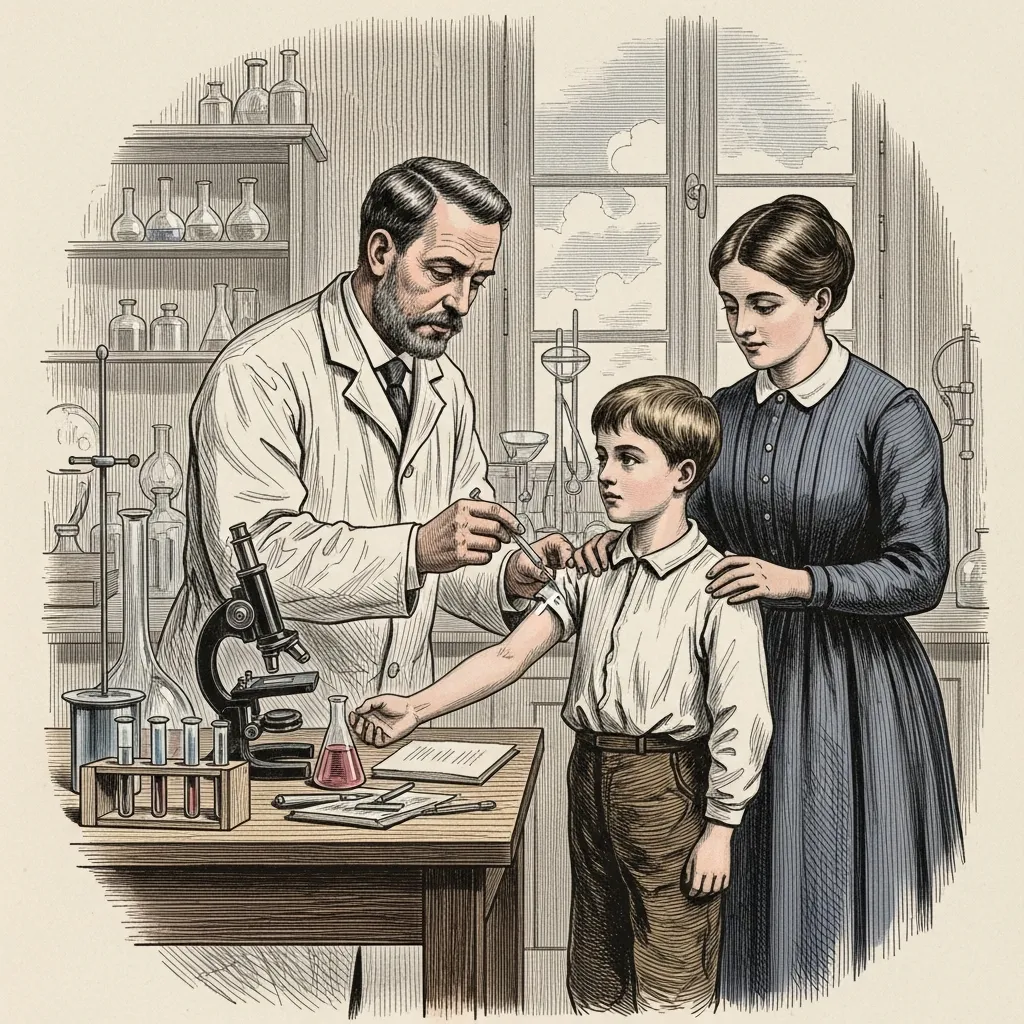
Every year, on July 6th, we observe World Zoonoses Day. This date isn't just a random day; it marks a truly historic moment in science and public health. On this day in 1885, the brilliant French scientist Louis Pasteur successfully administered the first vaccine against rabies to a young boy, Joseph Meister. This breakthrough was a monumental step forward in protecting human lives from deadly diseases.
In this special article, we will dive deep into understanding what zoonotic diseases are, how they affect us and the animal kingdom, and why scientific research and discoveries, like Pasteur's, are absolutely crucial for the health and safety of everyone. So, let’s begin our journey of understanding and appreciation for science!
What Exactly Are Zoonotic Diseases?
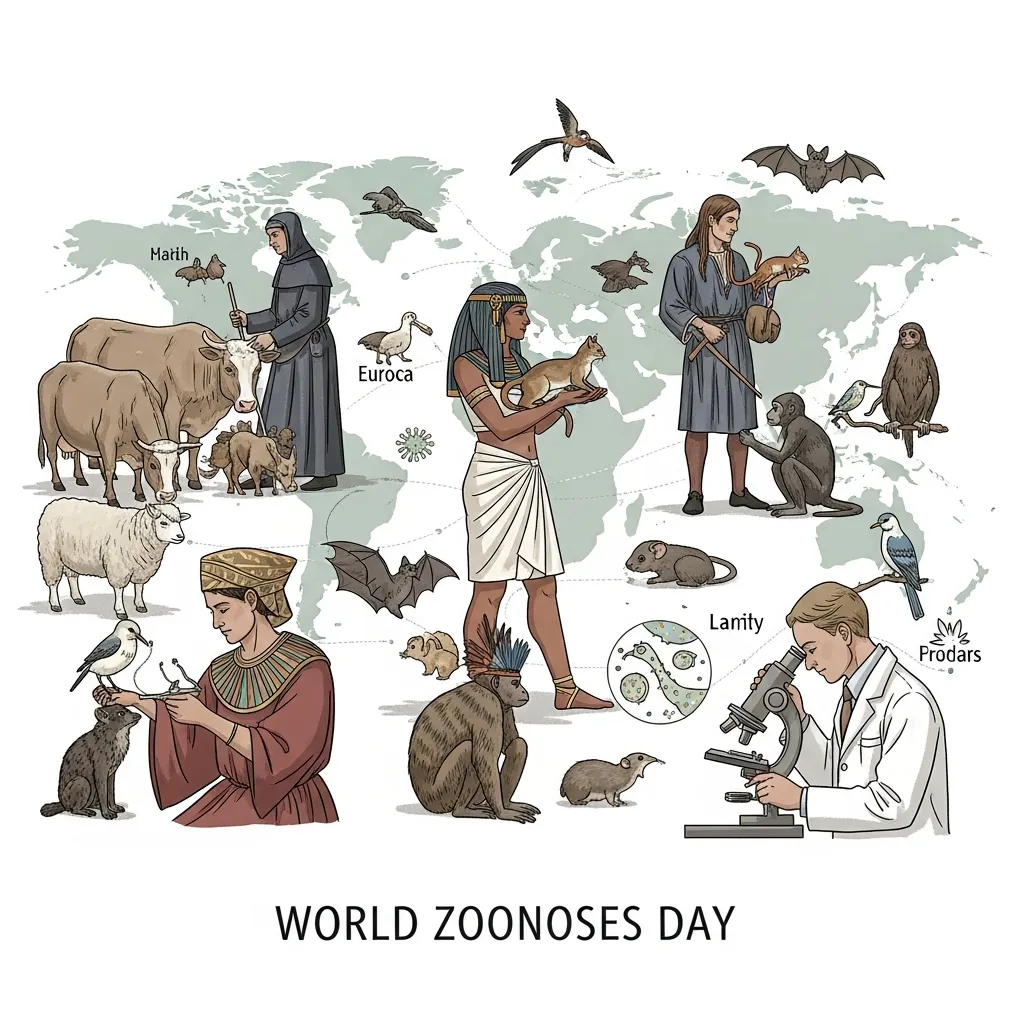
Have you ever wondered if diseases can jump from animals to humans? The answer is a resounding yes! These types of illnesses are called zoonotic diseases (pronounced zoo-noh-tic). The word "zoonoses" comes from Greek words: "zoon" meaning animal, and "nosos" meaning disease. So, simply put, zoonotic diseases are infections that can naturally be transmitted from animals to humans, and sometimes even from humans back to animals.
Animals, both wild and domestic, can carry germs like viruses, bacteria, parasites, and fungi. These tiny organisms might not make the animal sick, but if they get into a human body, they can cause serious illness. Zoonotic diseases are a significant global health concern because they can spread rapidly and affect large populations, impacting everything from individual health to national economies.
How Do Zoonotic Diseases Spread?
Understanding how these diseases spread is the first step towards preventing them. Here are the main ways:
- Direct Contact: This happens when you touch an infected animal, its saliva, blood, urine, or faeces. For example, if a rabid dog bites someone, the rabies virus can be transmitted directly into the human body.
- Indirect Contact: This involves coming into contact with areas or objects where infected animals live or roam. Think about contaminated pet habitats, poultry coops, or even water in a field where infected animals have been. Touching these surfaces and then touching your mouth or eyes can transfer germs.
- Vector-borne: Sometimes, insects like mosquitoes, ticks, or fleas act as carriers (vectors). They pick up the germ from an infected animal (like a bird or a monkey) and then transmit it to humans through a bite. Diseases like Japanese Encephalitis, though primarily vector-borne, often involve animal hosts in their life cycle.
- Food-borne: Eating or drinking contaminated food products from infected animals can also cause zoonotic diseases. This could be undercooked meat, unpasteurised milk, or contaminated eggs. Proper cooking and food hygiene are essential here.
- Water-borne: Drinking or coming into contact with water contaminated with the faeces of infected animals can lead to infections. For instance, Leptospirosis can spread through water contaminated with the urine of infected rodents or other animals.
Some common examples of zoonotic diseases you might have heard of include Rabies, Swine Flu (H1N1), Bird Flu (H5N1), Leptospirosis, Brucellosis, and even certain types of Salmonella infections. These diseases highlight the close connection between human and animal health.
"Zoonotic diseases remind us that we are all connected in the web of life – human, animal, and environment. Protecting one means protecting all."
World Zoonoses Day: A Tribute to a Scientific Breakthrough
The choice of July 6th for World Zoonoses Day is no accident. It commemorates one of the most remarkable and courageous achievements in medical history. Let's travel back in time to understand why this day is so special.
Louis Pasteur: The Pioneer of Modern Microbiology
Before the late 1800s, people didn't fully understand what caused diseases. Many believed in strange theories like "spontaneous generation" (that living things could arise from non-living matter) or that "bad air" (miasma) caused illnesses. But brilliant scientists like Louis Pasteur (1822-1895) changed all that. Pasteur was a French chemist and microbiologist who made incredible discoveries that laid the foundation for modern medicine.
He proved the "germ theory of disease," which states that specific microorganisms (like bacteria and viruses) cause specific diseases. This was a revolutionary idea! He also developed the process of "pasteurisation" to prevent milk and wine from spoiling, a technique we still use today to make our food safer. But perhaps his most famous and life-saving work was on rabies.
The Terrifying Threat of Rabies
Rabies was, and still is, a horrific disease. It's caused by a virus that attacks the brain and nervous system. Once symptoms appear, it is almost always fatal. In Pasteur's time, a bite from a rabid animal – usually a dog – meant almost certain death. There was no cure, no treatment, and immense fear surrounded the disease, leaving families helpless and heartbroken.
Pasteur dedicated years to studying rabies. He observed that the virus affected the nervous system and could be weakened (attenuated) by passing it through different animals. He worked tirelessly, experimenting with infected animal brain and spinal cord tissue, to develop a vaccine that could protect against this deadly virus. His goal was to find a way to stop the virus before it reached the brain and caused the fatal symptoms.
The First Successful Rabies Vaccination: Joseph Meister's Story
On July 6, 1885, a nine-year-old boy named Joseph Meister was brought to Pasteur. Joseph had been severely bitten 14 times by a rabid dog. His parents were desperate, knowing the grim fate that awaited their son. Pasteur, though not a medical doctor, had been experimenting with his rabies vaccine on animals with great success, but he had never used it on a human. He faced a monumental ethical dilemma: should he use his experimental vaccine on a human child, risking unknown consequences, to save a life that was otherwise doomed?
After much thought and consultation with medical doctors, Pasteur decided to proceed. Over several days, he administered a series of injections to Joseph, each containing a slightly stronger version of the attenuated (weakened) rabies virus. The world watched with bated breath, hoping for a miracle.
Miraculously, Joseph Meister recovered! He did not develop rabies and lived a long, healthy life, even becoming a caretaker at the Pasteur Institute later in life. This event was a turning point in medical history. It proved that vaccines could not only prevent but also cure a deadly disease after exposure. It was a triumph of scientific inquiry, courage, and compassion, showcasing how dedicated research can directly save lives.
This single act laid the foundation for modern vaccinology and saved countless lives from the clutches of rabies. That's why July 6th is so special and why we remember Pasteur's legacy on World Zoonoses Day.
The Impact of Zoonotic Diseases on Humans and Society
Zoonotic diseases are not just isolated incidents; they have far-reaching consequences for individuals, communities, and even entire nations. Understanding their impact helps us appreciate why prevention and control are so vital.
Health Consequences
- Illness and Death: Zoonotic diseases can cause a range of symptoms, from mild discomfort to severe illness, organ damage, and even death. Rabies, as we discussed, is almost always fatal once symptoms appear. Many other zoonoses can cause debilitating long-term illnesses.
- Long-term Disabilities: Some zoonotic infections can lead to chronic health problems, neurological damage, or other long-term disabilities, affecting a person's quality of life and ability to lead a normal life.
- Healthcare Burden: Treating these diseases puts a huge strain on healthcare systems, especially in developing countries like India. Hospitals become crowded, and medical resources like beds, medicines, and staff are stretched thin, impacting overall public health services.
Economic Impact
- Loss of Livestock: Diseases like Foot-and-Mouth Disease or Avian Flu can devastate animal farms, leading to massive economic losses for farmers, affecting food supply, and increasing food prices.
- Healthcare Costs: The cost of diagnosis, treatment, and public health interventions (like vaccination campaigns and awareness programs) for zoonotic diseases is enormous, diverting funds from other essential services.
- Trade Restrictions: Outbreaks of certain zoonotic diseases can lead to bans on animal product exports from affected regions, severely impacting national economies and international trade.
- Tourism and Livelihoods: Disease outbreaks can deter tourists, leading to losses for businesses dependent on tourism. They can also disrupt local livelihoods, especially for communities relying on agriculture or wildlife-related activities.
Social Impact
- Fear and Anxiety: The threat of zoonotic diseases can create widespread fear and anxiety within communities, affecting mental well-being and social harmony.
- Disruption of Daily Life: Outbreaks can lead to school closures, travel restrictions, and changes in daily routines, affecting education, social interaction, and economic activity.
- Stigma: Sometimes, people or communities associated with an outbreak might face unfair stigma or discrimination, which can further complicate public health efforts.
Factors Contributing to the Spread of Zoonotic Diseases
Why do these diseases seem to be on the rise globally? Several interconnected factors contribute to their emergence and spread:
- Close Contact with Animals: As human populations grow and expand into new areas, we come into closer contact with wild animals and their habitats. This increased interaction increases the chances of germs jumping from animals to humans.
- Changing Environment: Deforestation, urbanisation, and habitat destruction push wild animals closer to human settlements. When their natural homes are disturbed, animals may seek food and shelter near human communities, increasing the risk of disease transmission.
- Climate Change: Changes in global temperatures and rainfall patterns can alter the distribution of disease vectors (like mosquitoes and ticks) and animal hosts. This can lead to new outbreaks in regions where these diseases were previously uncommon.
- Global Travel and Trade: In our interconnected world, people and animals, along with their germs, can travel across the world much faster than ever before. This allows diseases to spread rapidly from one continent to another, making local outbreaks a global concern.
- Agricultural Practices: Intensive farming methods, where large numbers of animals are kept in close quarters, can sometimes create conditions where diseases can spread quickly among animals and potentially jump to humans.
The Rabies Vaccine: A Lifesaver for Humanity and Animals
Let's revisit rabies, a disease that Louis Pasteur so bravely tackled. Rabies is a viral disease primarily transmitted through the bite of an infected animal, most commonly dogs. It is 100% preventable through vaccination but, tragically, almost 100% fatal once symptoms appear. This makes immediate action after a suspected bite absolutely critical.
How the Rabies Vaccine Works
The rabies vaccine works in two main ways to protect against this deadly virus:
- Pre-exposure Vaccination: This is given to people at high risk (like veterinarians, animal handlers, or travellers to high-risk areas) BEFORE any potential exposure to the virus. It helps build immunity in advance, offering a layer of protection if exposure occurs.
- Post-exposure Prophylaxis (PEP): This is the crucial treatment given AFTER someone has been bitten or exposed to a potentially rabid animal. It involves a series of vaccine doses and sometimes immunoglobulin injections (antibodies that provide immediate protection) to prevent the virus from reaching the brain. This is what saved Joseph Meister and continues to save millions of lives today!
Importance of Animal Vaccination
One of the most effective and humane ways to prevent rabies in humans is to vaccinate animals, especially dogs. When a large percentage of dogs in an area are vaccinated, it creates "herd immunity." This means the virus struggles to find new hosts, making it difficult to spread and eventually dying out in that population. India, unfortunately, accounts for a significant portion of global human rabies deaths, largely due to bites from unvaccinated stray dogs. Government initiatives like the National Rabies Control Programme are working tirelessly to increase dog vaccination coverage and raise public awareness about rabies prevention.
The Importance of Scientific Discovery for Public Health and Animal Welfare
Louis Pasteur's work on rabies is a shining example of how scientific discovery can transform public health and animal welfare. But it's not just about one disease or one scientist; it's about the continuous pursuit of knowledge.
Science: Our Shield Against Disease
Scientific research and innovation are fundamental to our health and safety:
- Prevention: Vaccines, like the one for rabies, measles, polio, and COVID-19, are products of countless hours of scientific research. They prevent diseases before they even start, protecting individuals and entire communities.
- Diagnosis: Science gives us tools to accurately identify diseases, from simple blood tests to advanced imaging techniques and complex genetic analyses. Accurate and timely diagnosis allows for effective treatment and prevents further spread.
- Treatment: From antibiotics that fight bacterial infections to medicines that manage chronic conditions, scientific research constantly develops new treatments that save and improve lives, making once-deadly diseases manageable.
- Understanding: Science helps us understand how diseases spread, what causes them, how our bodies react, and how different species interact. This knowledge is crucial for developing effective control strategies and preparing for future outbreaks.
The "One Health" Approach
Today, experts talk about the "One Health" approach. This concept recognises that the health of people, animals, and our shared environment are closely connected. It’s like three pillars supporting a single roof: if one pillar is weak, the whole structure suffers. To tackle complex challenges like zoonotic diseases effectively, we need to work together across different fields – human medicine, veterinary medicine, and environmental science.
Protecting animal health and welfare directly contributes to human health and a healthy planet. When animals are healthy, well-cared for, and live in clean environments, the risk of diseases jumping to humans significantly reduces. This means responsible pet ownership, supporting animal vaccination programmes, protecting wildlife habitats, and sustainable environmental practices are all part of the larger, collective effort to keep everyone safe.
How Can We Prevent Zoonotic Diseases?
While scientists and governments work on large-scale solutions, there are many things you, as a student and responsible citizen, can do to help prevent the spread of zoonotic diseases in your daily life:
- Practice Good Hand Hygiene: Always wash your hands thoroughly with soap and water for at least 20 seconds after touching animals, their food, or their environment, and especially before eating.
- Cook Food Properly: Ensure that meat, poultry, and eggs are cooked to the recommended safe temperatures to kill any harmful germs. Avoid consuming unpasteurised milk or raw meat products.
- Avoid Contact with Sick or Wild Animals: Do not touch, feed, or approach stray or wild animals, especially if they appear sick, injured, or behave unusually aggressively or tamely. Enjoy wildlife from a safe distance.
- Vaccinate Your Pets: If you have pets, make sure they receive all their recommended vaccinations, especially against rabies. Regular vet check-ups are also important for their health and yours.
- Control Pests: Take steps to control pests like mosquitoes, ticks, and rodents around your home and community, as they can carry diseases. Use mosquito nets, keep surroundings clean, and dispose of waste properly.
- Report Animal Bites: If you or someone you know is bitten or scratched by an animal, seek medical attention immediately, even if the wound seems minor.
- Learn and Share: Educate yourself and others about zoonotic diseases and how to prevent them. Share what you learn with your family and friends. Knowledge is power, and it helps build a healthier community!
Did You Know? Fascinating Facts!
- Rabies is Ancient: References to a rabies-like disease in dogs date back to ancient Mesopotamia, over 4,000 years ago, showing how long this disease has plagued humanity.
- World's Deadliest Animal (Indirectly): The mosquito is often considered the deadliest animal in the world because it transmits diseases like malaria, dengue, and Zika, which kill millions of people each year. Many of these diseases have animal reservoirs, making them zoonotic in a broader sense.
- One Health in Action: The COVID-19 pandemic is a stark reminder of the "One Health" concept. It highlighted how closely human health is linked to animal health and environmental factors, pushing for integrated approaches to global health threats.
- Pasteur's Lasting Legacy: The Pasteur Institute, founded by Louis Pasteur in Paris, is still a world-renowned centre for research on infectious diseases, vaccinology, and public health, continuing his legacy of scientific innovation.
- India's Rabies Burden: Sadly, India accounts for a significant portion of global human rabies deaths, primarily due to dog bites. This makes prevention, responsible pet ownership, and awareness even more critical in our country.
As we conclude our exploration of World Zoonoses Day, let's remember the profound impact of scientific breakthroughs like Louis Pasteur's rabies vaccine. It teaches us that with curiosity, dedication, and a commitment to rigorous research, humanity can overcome even the most formidable health challenges. It also reminds us that our health is deeply intertwined with the health of animals and the environment.
Let's celebrate science, protect our animals, and work together for a healthier world for all. 'Paripath' encourages you to stay curious, stay informed, and be a part of this journey towards a safer and healthier future!