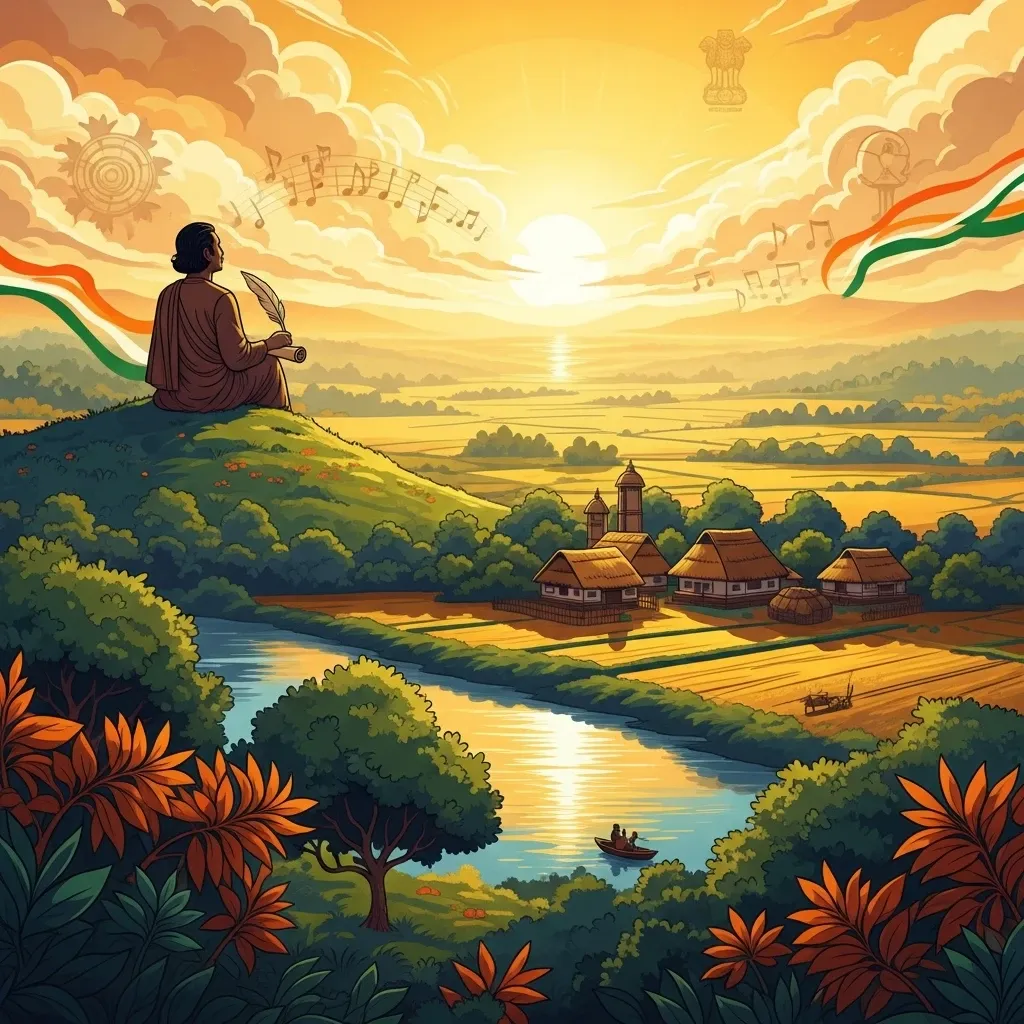
Introduction: The Rishi of Indian Nationalism
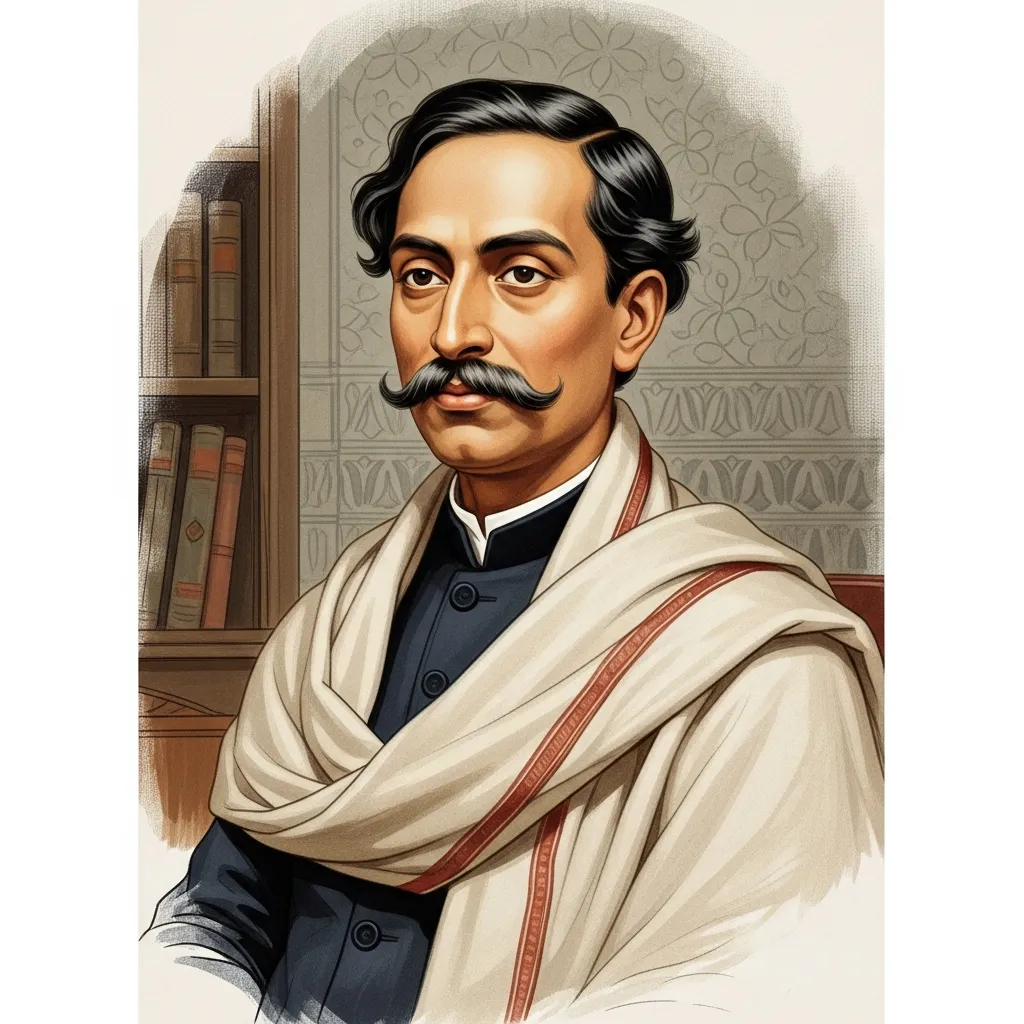
Bankim Chandra Chattopadhyay was not merely a novelist or a poet; he was the spiritual architect of Indian nationalism. Born at a time when the Indian psyche was deeply entrenched in colonial subservience, Bankim Chandra provided the spark that eventually ignited the flame of independence. His magnum opus, the song Vande Mataram, became the war cry of millions. In this comprehensive study, we explore the life of the man often referred to as 'Sahitya Samrat' and the profound history of the anthem that defined a nation's struggle.
Early Life and Formative Years
Birth and Ancestry
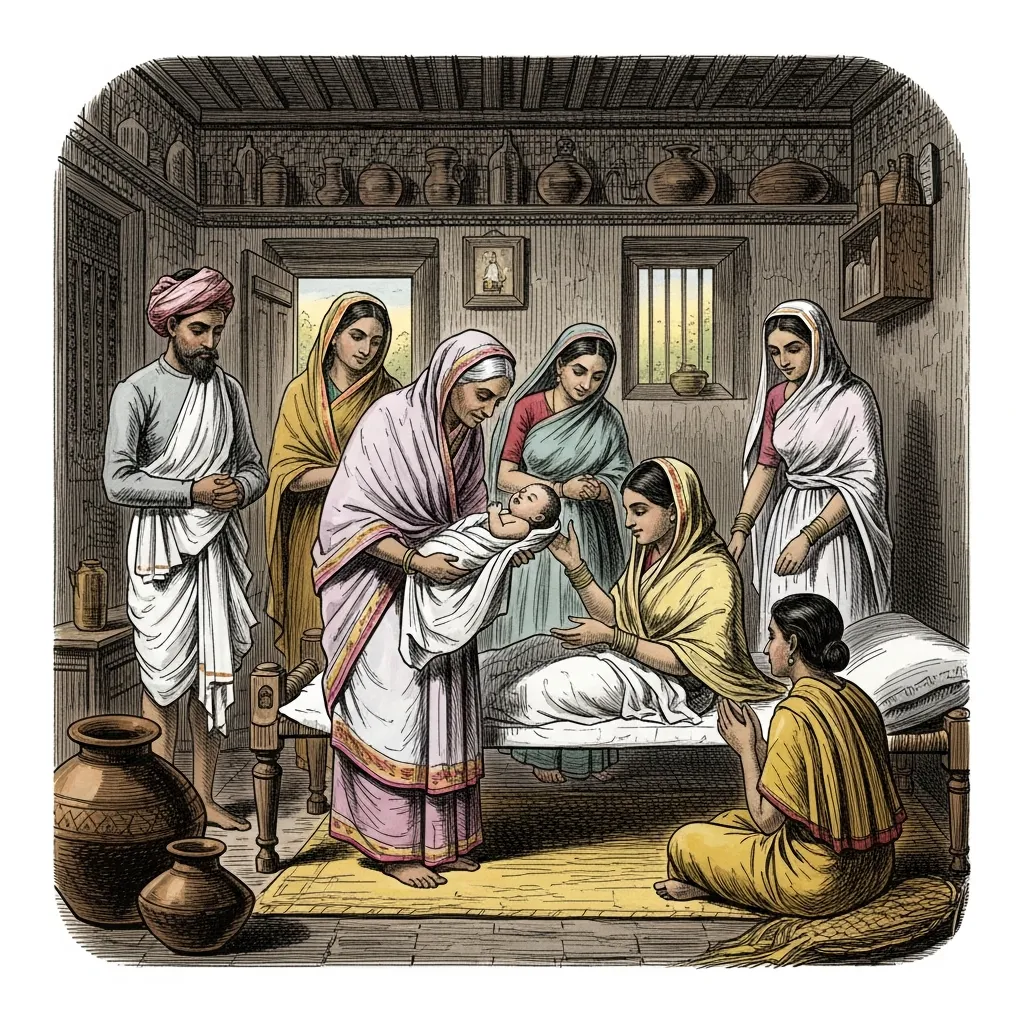
Bankim Chandra was born on June 27, 1838, in the village of Naihati (Kantalpara), Bengal. He belonged to an orthodox Brahmin family. His father, Yadav Chandra Chattopadhyay, was a government official, which provided Bankim with an environment that blended traditional Sanskrit scholarship with modern English education.
Educational Brilliance
Bankim's intellectual prowess was evident from a young age. He studied at Hooghly College and later at Presidency College, Calcutta. His academic journey was historic as he was among the first batch of graduates from Calcutta University. This education allowed him to understand both the depths of Indian philosophy and the nuances of Western administrative law.
The Literary Revolution: Beyond Vande Mataram
While most know him for his patriotic song, Bankim Chandra's contribution to Bengali literature is unparalleled. He transitioned Bengali literature from verse to modern prose.
Notable Works
| Year | Work | Genre | Significance |
|---|---|---|---|
| 1864 | Rajmohan's Wife | Novel | The first Indian novel written in English. |
| 1865 | Durgeshnandini | Historical Fiction | The first major Bengali novel that broke traditional styles. |
| 1866 | Kapalkundala | Romance/Drama | Considered a masterpiece of lyrical prose. |
| 1882 | Anandamath | Political Fiction | The source of 'Vande Mataram'. |
The Genesis of Vande Mataram
Composition in 1870s
The song 'Vande Mataram' was actually composed by Bankim Chandra in the mid-1870s, long before it was published in Anandamath. It is said he wrote it in a mix of Sanskrit and Bengali to capture the essence of the divine motherland.
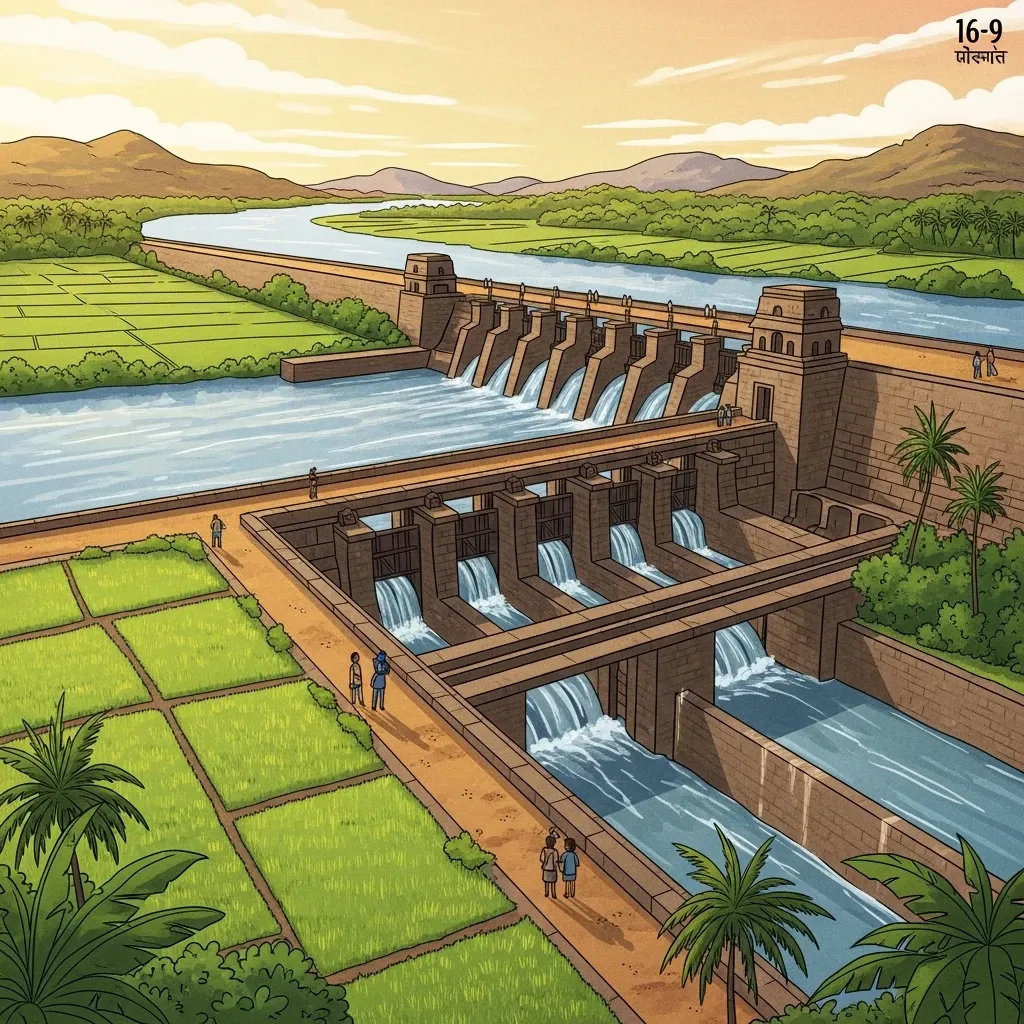
"I bow to thee, Mother, richly-watered, richly-fruited, cool with the winds of the south, dark with the crops of the harvests, the Mother!" - Translation by Sri Aurobindo
Publication in Anandamath (1882)
The song found its home in the novel Anandamath, which is set against the backdrop of the Sannyasi Rebellion of the late 18th century. In the novel, the rebels sing this song to gain strength in their battle against the oppressors. This context transformed a poem into a revolutionary anthem.
Historical Impact on the Freedom Movement
The 1905 Partition of Bengal
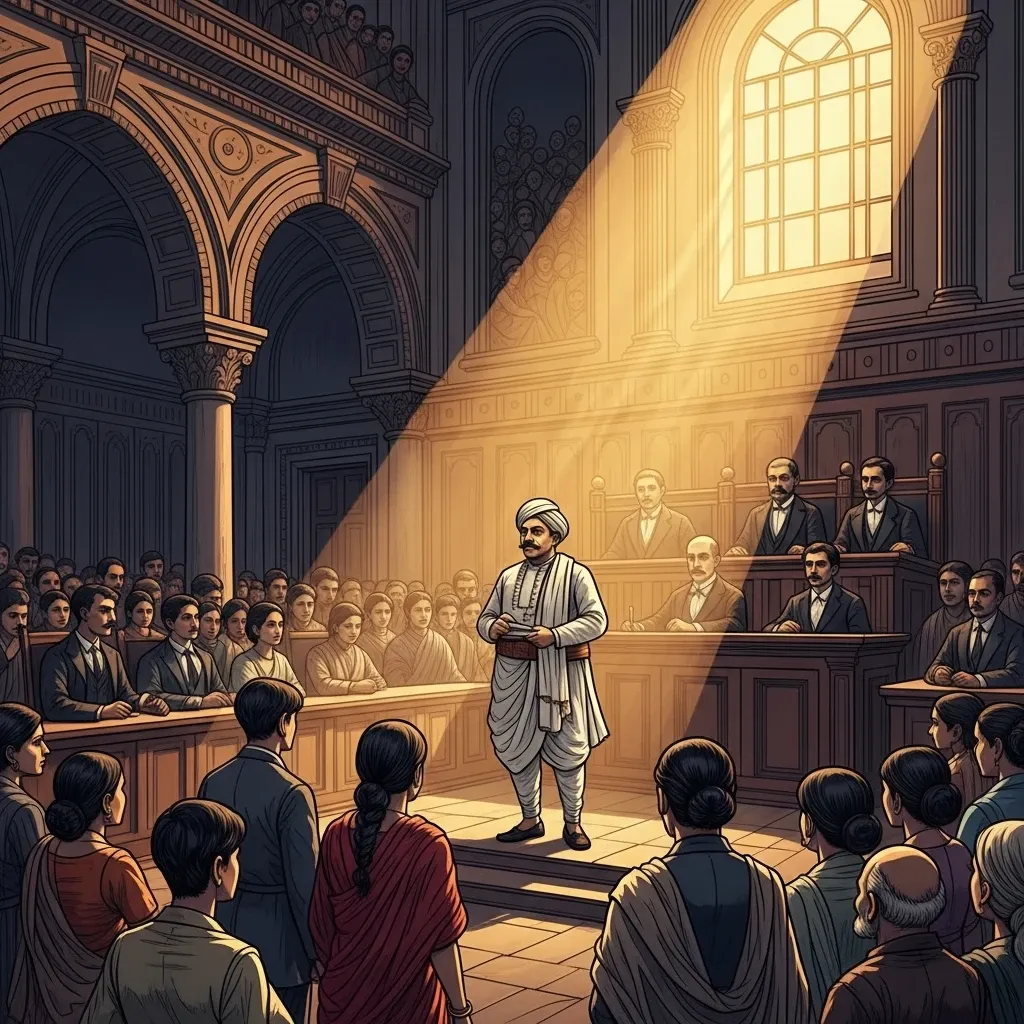
The true power of Vande Mataram was realized during the anti-partition movement of 1905. It became the rallying cry for the Swadeshi movement. People took to the streets, chanting these two words as they faced British lathis. The British government was so terrified of the song that they eventually banned its public singing.
National Song Status
In 1896, at the Calcutta session of the Indian National Congress, Rabindranath Tagore sang Vande Mataram for the first time on a political stage. Following independence, while 'Jana Gana Mana' was chosen as the National Anthem, 'Vande Mataram' was given the status of the National Song, honoring its pivotal role in the struggle for freedom.
Conclusion
Bankim Chandra Chattopadhyay passed away on April 8, 1894, but he left behind a legacy that continues to breathe life into Indian patriotism. Vande Mataram is not just a song; it is the soul of India's identity. As students and citizens, understanding the depth of Bankim's vision helps us appreciate the liberty we enjoy today.