World Zoonoses Day: Unraveling the Intricate Link Between Animal and Human Health
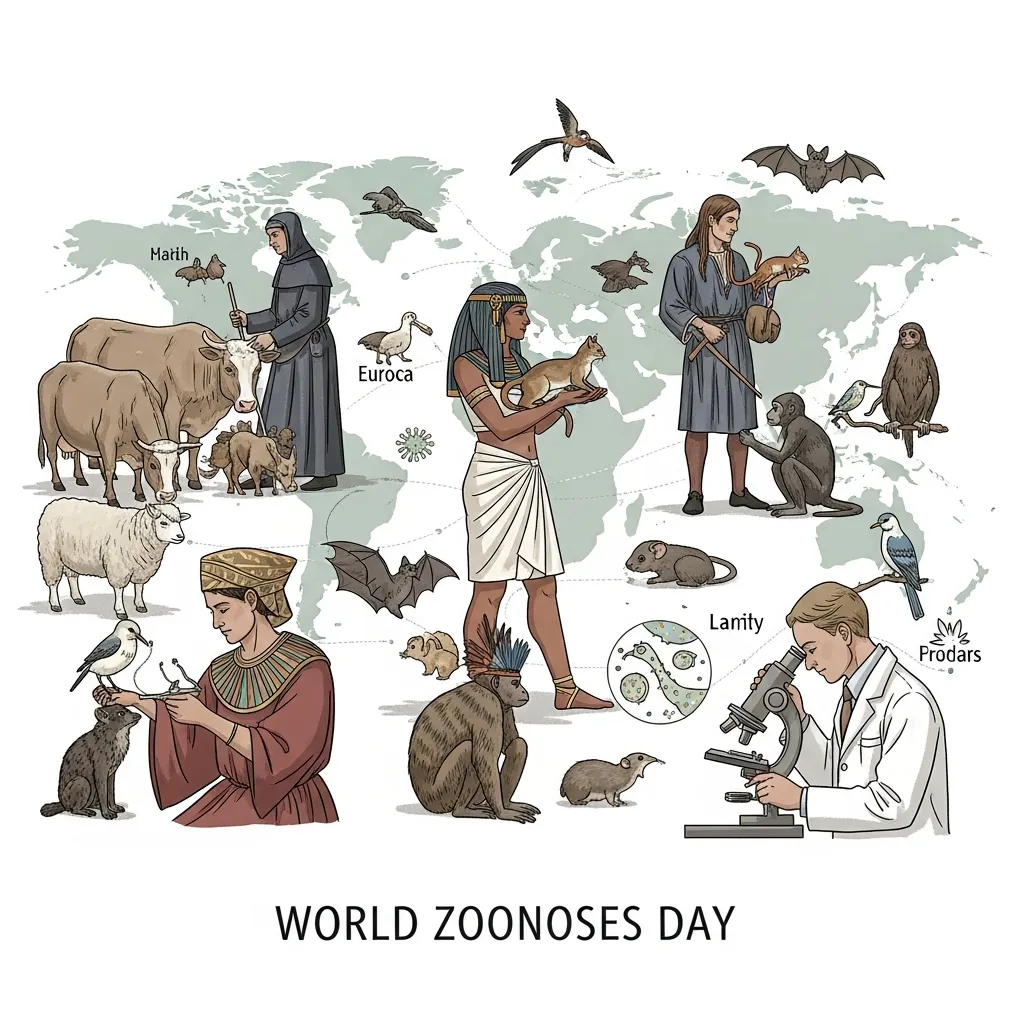
Every year, on the 6th of July, we observe a very important day globally – 'World Zoonoses Day'. This day is a powerful reminder of a fundamental truth: the health of humans is deeply, intricately connected to the health of animals and our shared environment. It's a day dedicated to understanding and preventing diseases that can jump from animals to humans, known as zoonoses.
Imagine a vast, interconnected web where every strand represents a living being or an aspect of nature. If one strand is affected, the whole web feels the impact. This is precisely the relationship we share with the animal kingdom and our environment. In India, where we live in close proximity to a diverse range of animals, both domestic and wild, understanding this connection is not just academic – it's crucial for our daily well-being and public health.
In this article, we will embark on a journey to explore the fascinating yet sometimes alarming world of zoonoses. We'll learn:
- What exactly are zoonoses?
- How do these diseases travel from animals to humans?
- What are some common examples of zoonotic diseases we should be aware of?
- And most importantly, why is the 'One Health' approach – a concept that recognizes the interconnectedness of human, animal, and environmental health – absolutely vital for a healthier future for all?
So, let's dive in and understand how we can protect ourselves, our animal friends, and our planet from these silent threats.
What Exactly Are Zoonoses?
The word 'Zoonoses' might sound a bit complex, but its meaning is quite straightforward. It comes from two Greek words: 'Zoon', meaning animal, and 'Noson', meaning disease. So, simply put, Zoonoses are diseases that can naturally transmit from vertebrate animals to humans, and vice versa.
Think about it: have you ever seen a stray dog with rabies, or heard about bird flu affecting poultry farms? These are prime examples. These diseases are caused by various types of germs, including:
- Bacteria: Tiny organisms, like those causing Leptospirosis or Anthrax.
- Viruses: Even smaller than bacteria, they need a host to multiply, such as the Rabies virus or Influenza viruses (Bird Flu, Swine Flu).
- Parasites: Organisms that live on or in another organism (the host) and benefit by deriving nutrients at the host's expense, like tapeworms or roundworms.
- Fungi: Organisms that can cause skin infections (like ringworm) which can pass between animals and humans.
These germs can be found in wild animals, livestock (like cows, goats, chickens), pets (dogs, cats), and even some insects or aquatic animals. The important thing to remember is that an animal might carry these germs without showing any signs of illness itself, acting as a 'reservoir' of infection. This makes them even trickier to identify and prevent!
According to the World Health Organization (WHO), over 60% of all existing human infectious diseases are zoonotic, and 75% of new or emerging infectious diseases in humans are also zoonotic. This staggering statistic truly highlights the scale and importance of understanding zoonoses.
How Do Zoonoses Spread From Animals to Humans?
Understanding the pathways through which these diseases spread is key to preventing them. Zoonoses can transmit in several ways. Let's look at the most common ones:
1. Direct Contact:
This is perhaps the most obvious way. It happens when you come into physical contact with an infected animal, its bodily fluids, or its waste. This includes:
- Touching or petting an infected animal: Like getting ringworm from a cat or dog.
- Being bitten or scratched: The most famous example is Rabies, often from an infected dog bite.
- Contact with urine, feces, or saliva: Handling animal waste without proper hygiene can spread diseases like Leptospirosis (from rat urine) or certain parasitic infections.
2. Indirect Contact:
Sometimes, you don't need to touch the animal directly. You can get infected by touching areas or objects that an infected animal has contaminated. This could be:
- Contaminated environments: Such as pens, coops, soil, or water where infected animals have been. For example, soil contaminated with Anthrax spores.
- Contaminated surfaces: Like countertops, animal bedding, or food bowls that have come into contact with animal germs.
3. Vector-Borne Transmission:
Here, a third party, often an insect or arthropod (a 'vector'), carries the disease from an infected animal to a human. The vector itself doesn't cause the disease but acts as a carrier. Common vectors include:
- Mosquitoes: While some mosquito-borne diseases like Dengue are primarily human-to-human, others like Japanese Encephalitis involve animals (pigs, birds) as reservoirs.
- Ticks: These tiny arachnids can transmit diseases like Kyasanur Forest Disease (KFD) from monkeys and rodents to humans.
- Fleas: These can transmit diseases like Plague (historically) from rodents to humans.
4. Food-Borne Transmission:
This is a very common route. It occurs when you consume contaminated food products derived from infected animals. This includes:
- Undercooked meat: Can transmit bacteria like Salmonella or E. coli, or parasites like tapeworms.
- Unpasteurized milk or dairy products: Can carry bacteria like Brucella (causing Brucellosis) or Salmonella.
- Contaminated eggs: Salmonella is a common concern here.
- Contaminated produce: If fruits and vegetables come into contact with animal feces or contaminated water.
5. Water-Borne Transmission:
Drinking or coming into contact with water contaminated by animal feces can lead to infections. For example, water contaminated with the bacteria causing Leptospirosis (from rat urine) or parasites like Giardia.
Common Examples of Zoonotic Diseases in India
Let's look at some zoonotic diseases that are particularly relevant in the Indian context:
1. Rabies:
- What it is: A viral disease affecting the brain and spinal cord, almost always fatal.
- How it spreads: Primarily through the bite of an infected animal, most commonly stray dogs in India, but also bats, monkeys, and cats.
- Prevention: Vaccinating dogs, avoiding stray animals, immediate wound washing and post-exposure prophylaxis (vaccine and immunoglobulin) after a suspected bite.
2. Leptospirosis:
- What it is: A bacterial disease causing fever, headaches, muscle aches, and sometimes severe organ damage.
- How it spreads: Through contact with water, soil, or food contaminated with the urine of infected animals (rats, cattle, dogs). Often seen during floods.
- Prevention: Avoiding contaminated water, wearing protective footwear, rodent control, and proper sanitation.
3. Avian Influenza (Bird Flu):
- What it is: A viral infection of birds; certain strains can jump to humans.
- How it spreads: Direct contact with infected poultry (live or dead), their droppings, or contaminated surfaces.
- Prevention: Avoiding contact with sick or dead birds, thorough cooking of poultry and eggs, maintaining strict hygiene in poultry farms.
4. Swine Influenza (Swine Flu, H1N1):
- What it is: A respiratory disease of pigs. The H1N1 strain, which caused a pandemic, originated in pigs.
- How it spreads: Initially from pigs to humans (rarely), then human-to-human transmission.
- Prevention: Good hand hygiene, covering coughs and sneezes, avoiding sick individuals.
5. Brucellosis:
- What it is: A bacterial infection causing fever, sweats, joint pain, and fatigue.
- How it spreads: Primarily through consuming unpasteurized milk or dairy products from infected animals (cows, goats, sheep) or direct contact with infected animal tissues.
- Prevention: Pasteurizing milk, vaccinating livestock, proper handling of animal products.
6. Anthrax:
- What it is: A serious bacterial disease affecting skin, lungs, or digestive system.
- How it spreads: Through contact with infected animals (cattle, sheep, goats) or their products (wool, hides), or by inhaling spores from contaminated soil.
- Prevention: Vaccinating livestock, proper disposal of infected animal carcasses, avoiding contact with potentially contaminated animal products or soil.
The 'One Health' Approach: A Holistic Solution
"There is only one health. The health of people, animals, and the environment are interconnected."
This powerful quote perfectly encapsulates the philosophy behind the 'One Health' approach. For a long time, human health, animal health, and environmental health were often treated as separate fields of study and practice. Doctors focused on humans, veterinarians on animals, and environmentalists on nature. However, the reality of diseases like zoonoses has made it abundantly clear that this segmented approach is no longer sufficient.
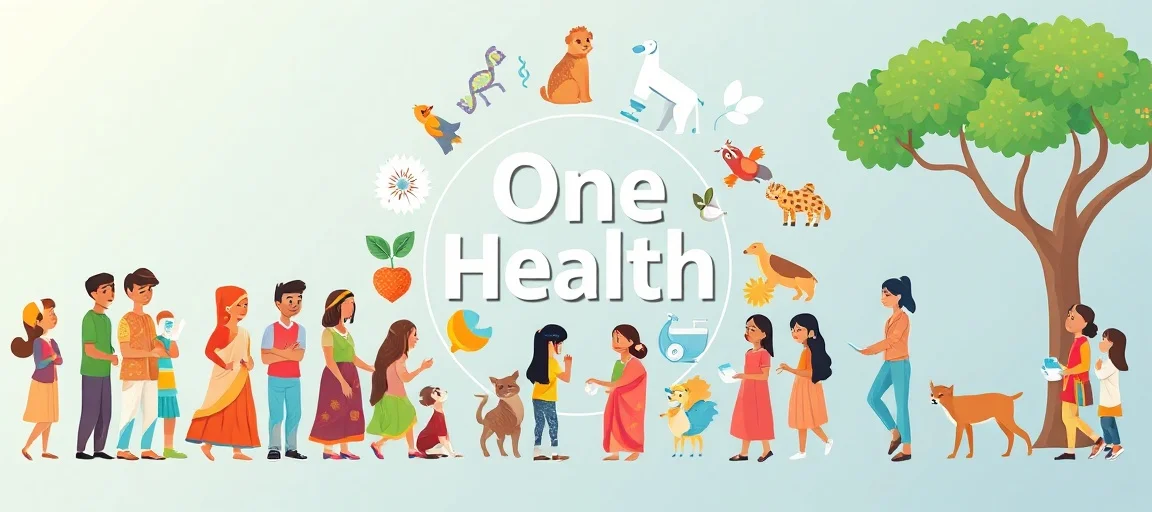
The 'One Health' approach is a collaborative, multisectoral, and transdisciplinary strategy – meaning it involves many different fields and professions working together – to achieve optimal health outcomes by recognizing the fundamental interconnectedness between people, animals, plants, and their shared environment.
Imagine a team of doctors, veterinarians, environmental scientists, public health officials, and policymakers working hand-in-hand. This is the essence of One Health. They share information, coordinate efforts, and develop strategies that consider the well-being of all living things and the environment.
In India, with its rich biodiversity, dense populations, and significant agricultural sector, the 'One Health' approach is not just a concept; it's an absolute necessity. From controlling livestock diseases that impact farmers' livelihoods and food security, to monitoring wildlife for emerging pathogens, to ensuring clean water and air for everyone – One Health offers a comprehensive framework.
Why is the 'One Health' Approach So Important?
The significance of the 'One Health' approach cannot be overstated, especially in our rapidly changing world. Here’s why it’s critical:
1. Preventing Zoonotic Diseases and Future Pandemics:
Many of the most significant disease outbreaks in recent history, including COVID-19, SARS, MERS, Ebola, and various influenza strains, have had zoonotic origins. By monitoring animal populations (both wild and domestic) for unusual diseases, we can detect potential threats early and prevent them from spilling over into human populations, potentially averting future pandemics.
2. Ensuring Food Safety and Security:
Diseases in livestock can not only spread to humans but also decimate animal populations, leading to significant economic losses for farmers and affecting the availability and safety of food products. One Health efforts help ensure healthy animals, which in turn means safer meat, milk, and eggs for human consumption, contributing to food security for a growing population.
3. Combating Antimicrobial Resistance (AMR):
Overuse of antibiotics in humans and animals leads to 'superbugs' – bacteria resistant to drugs. This is a global health crisis. One Health promotes responsible antibiotic use to preserve these life-saving drugs.
4. Protecting the Environment:
Environmental health plays a huge role in both human and animal well-being. Pollution, deforestation, climate change, and loss of biodiversity can create conditions favorable for disease emergence and spread. One Health initiatives consider environmental factors and promote sustainable practices that protect ecosystems, which in turn protects health.
5. Addressing Global Challenges:
Climate change, global travel, and increased human-animal interaction allow diseases to spread rapidly across borders. One Health provides a framework for international collaboration to tackle these complex, global health challenges effectively.
How Can We Prevent Zoonotic Diseases? Your Role Matters!
While governments and scientists work on large-scale 'One Health' initiatives, each one of us, including you, the students, has a crucial role to play in preventing zoonotic diseases. Here are some practical steps you can take:
1. Practice Excellent Hand Hygiene:
- Wash your hands frequently: Use soap and water for at least 20 seconds, especially after touching animals (pets, farm animals, or strays), after being outdoors, before eating, and after using the restroom.
- Use hand sanitiser: If soap and water are not available, use an alcohol-based hand sanitiser.
2. Be Responsible Around Animals:
- Avoid touching stray or wild animals: They might carry diseases even if they look healthy.
- Supervise children around pets: Teach them to interact gently and wash hands afterwards.
- Keep pets healthy: Ensure your pets are vaccinated (e.g., against rabies), dewormed, and receive regular veterinary care. Clean their living areas regularly.
- Do not disturb sick or dead animals: Report them to local authorities or animal welfare organizations.
3. Ensure Food Safety:
- Cook food thoroughly: Especially meat, poultry, and eggs, to kill harmful bacteria and viruses.
- Avoid cross-contamination: Keep raw meat separate from other foods. Use different cutting boards and utensils.
- Wash fruits and vegetables: Rinse all produce thoroughly under running water before eating, cutting, or cooking.
- Pasteurize milk: Drink only pasteurized milk and dairy products. If you get fresh milk, boil it thoroughly before consumption.
4. Protect Yourself from Vector Bites:
- Use mosquito nets and repellents: Especially in areas prone to mosquito-borne diseases.
- Wear protective clothing: When outdoors in wooded or grassy areas to prevent tick and mosquito bites.
- Eliminate breeding sites: Remove stagnant water around your homes to prevent mosquito breeding.
5. Maintain Environmental Cleanliness:
- Proper waste disposal: Ensure household and animal waste is disposed of correctly to prevent attracting rodents and insects.
- Avoid open defecation: This is crucial for preventing the spread of many diseases, including those from animal waste.
- Support clean environments: Participate in or support initiatives that promote clean public spaces and reduce pollution.
Did You Know? Fascinating Facts About Zoonoses!
- The first World Zoonoses Day was observed on July 6, 1885, to commemorate the day Louis Pasteur successfully administered the first vaccine against rabies, a deadly zoonotic disease.
- The Black Death, or Plague, which caused devastating pandemics in history, was a zoonotic disease transmitted from rodents to humans by fleas.
- Cats can transmit a parasitic infection called Toxoplasmosis, which can be dangerous for pregnant women. This is why pregnant women are often advised to avoid cleaning cat litter boxes.
- Around 75% of new human diseases are zoonotic, including diseases like Ebola, HIV, and COVID-19.
- Even common pet reptiles like turtles, snakes, and lizards can carry Salmonella bacteria, which can cause severe food poisoning in humans. Always wash your hands after handling them!
Conclusion: A Shared Responsibility for a Healthier Tomorrow
As we observe World Zoonoses Day, let us reflect on the profound connection we share with the animal kingdom and our environment. Zoonotic diseases are a constant reminder that our health is not an isolated entity; it is deeply intertwined with the health of every creature and every corner of our planet.
The 'One Health' approach is not just a scientific concept; it's a philosophy for living sustainably and responsibly. It calls for collaboration, understanding, and proactive measures from all of us. By being aware of how diseases spread, practicing good hygiene, interacting responsibly with animals, ensuring food safety, and advocating for a clean environment, you contribute significantly to building a healthier, safer world.
Remember, every action, big or small, that promotes the well-being of animals and the environment ultimately contributes to human health. Let's embrace this shared responsibility and work together towards a future where humans, animals, and our planet can thrive in harmony. Stay curious, stay informed, and stay healthy!