July 11, 2026. Today marks a confluence of significant events. While we observe the auspicious Yogini Ekadashi and remember moments from history (like the Mumbai local train blasts) and inspiring personalities (Bharat Ram, Leela Chitnis, Bhishma Sahni), this day also draws our attention to a global issue: World Population Day. Celebrated annually on July 11th, this day prompts us to reflect on global population growth, its implications, and the solutions necessary for a sustainable future. Let's explore this vital topic in detail, understanding the challenges posed by population growth, the opportunities it presents, and how we, as responsible citizens, can contribute, with a specific focus on India's context.
Why Do We Celebrate World Population Day?
The observance of World Population Day began in 1989 by the Governing Council of the United Nations Development Programme (UNDP). The date, July 11th, was chosen to commemorate ‘Five Billion Day’ in 1987, when the world's population reached five billion people. The primary objective of this day is to raise global awareness about various issues related to population growth, such as health, education, poverty, gender equality, human rights, and sustainable development. It encourages us to consider both the problems and the opportunities that arise from an expanding global population.
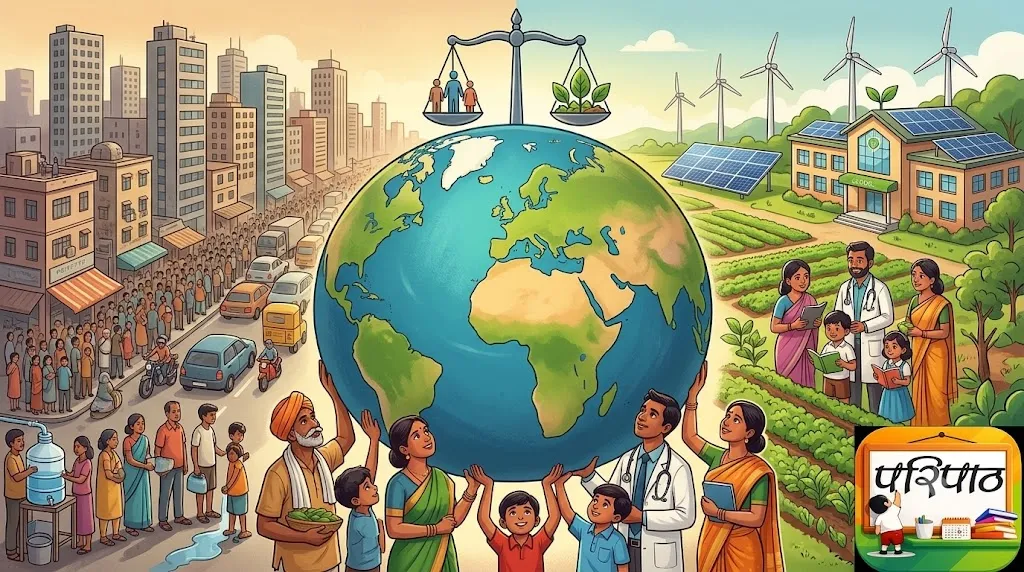
Today, the world’s population has surpassed 8 billion and continues to grow. This growth is not merely numerical; its social, economic, and environmental consequences are far-reaching. Through this day, the United Nations and various organizations worldwide facilitate discussions, educate people, and focus on policies and solutions essential for a sustainable future. For students, World Population Day is an excellent opportunity to think critically about the state of the world and their role in shaping its future.
The Dual Face of Population Growth: Understanding the Challenges
Rapid population growth presents numerous serious challenges, placing immense pressure on our planet's natural resources and social systems. Understanding these challenges is crucial for building a secure and prosperous world for future generations.
1. Resource Depletion: Water, Food, and Energy
- Water: Access to clean drinking water is a major challenge. The increasing population escalates the demand for water for agriculture, industry, and domestic use. In India, many states, particularly Maharashtra, Rajasthan, and Karnataka, face severe water scarcity. Groundwater levels are declining, and rivers are becoming polluted. This impacts agriculture, leading to food security concerns.
- Food: Ensuring sufficient and nutritious food for every person globally is a significant hurdle. More food production is required for a growing population, but this demands more land, water, and fertilizers, negatively impacting the environment. Issues of malnutrition and food security remain critical in India, especially in impoverished and rural areas.
- Energy: Increased population leads to higher energy consumption, relying heavily on fossil fuels like coal, oil, and gas. The burning of these fuels increases carbon emissions, a primary cause of climate change. For developing countries like India, ensuring energy security while simultaneously protecting the environment is a formidable challenge.
2. Environmental Degradation: Pollution and Climate Change
- Pollution: Rapid population growth drives urbanization and industrialization, leading to increased air, water, and soil pollution. Many Indian cities, including Delhi, Mumbai, and Kolkata, are among the most polluted globally. Industrial waste, vehicular emissions, and plastic waste disrupt environmental balance.
- Climate Change: Rising emissions of carbon dioxide and other greenhouse gases are causing global temperatures to increase. This results in extreme rainfall, droughts, rising sea levels, and an increase in natural disasters. India faces severe consequences of climate change, with agriculture, coastal communities, and public health at risk.
- Biodiversity Loss: Population growth leads to the destruction of natural habitats (forests, grasslands), endangering or eradicating numerous plant and animal species. This is a significant challenge for a biodiversity-rich country like India.
3. Strain on Infrastructure: Education, Healthcare, and Housing
- Education: Providing quality education to a growing population is a huge challenge. Shortage of school facilities, lack of teachers, and issues with educational quality mean many children do not receive adequate education.
- Healthcare: Healthcare services also face immense pressure. Hospitals, clinics, and the number of doctors are often insufficient relative to the population, especially in rural areas. This can exacerbate problems like epidemics and malnutrition.
- Housing and Transportation: Urbanization creates housing shortages, leading to the growth of slums. Transportation systems become strained, resulting in traffic congestion, pollution, and increased commuting times. The overcrowding in Mumbai's local trains is a stark example of this.
“The Earth has enough for everyone’s needs, but not for everyone’s greed.” – Mahatma Gandhi
The Brighter Side: Opportunities Arising from Population
While population growth presents many challenges, it is not solely a problem. Population also represents immense human potential, innovation, and a powerful force for progress. With proper planning and investment, a growing population can become a significant opportunity for any nation, especially for countries like India with a young demographic.
1. Human Capital and Intellect: A Source of Innovation
A large population signifies a vast pool of human intelligence. Every individual possesses the capacity to learn, create, and solve problems. Given the right education, training, and opportunities, this human capital can lead to groundbreaking discoveries and technological advancements. India's progress in information technology (IT) and the startup sector is a testament to its young and talented population.
2. New Ideas and Technology: Creating Sustainable Solutions
To overcome the challenges posed by population growth, people themselves can develop new ideas and technologies. For instance, renewable energy sources (solar, wind), water management technologies, waste management systems, and pollution control measures are all products of human intellect. In India, the use of solar energy in rural areas, micro-irrigation (drip irrigation) for water conservation, and the application of technology in smart city projects are some examples.
3. Demographic Dividend: India's Strength
India has a young population, meaning a large proportion of its people are in the working-age group. This is known as the 'demographic dividend.' If this young population receives appropriate education, skill development, and employment opportunities, they can significantly contribute to the nation's economic development. With a large workforce available in manufacturing, services, and agriculture, India's economic growth can accelerate.
4. Economic Growth and Market Expansion
A large population also means a large market. High domestic demand stimulates industries and fosters economic growth. This leads to the creation of new businesses, generates employment, and strengthens the national economy. With the right policies and investments, this vast market can position India as a major global economic power.
India's Path Towards Sustainable Development Goals
To overcome the challenges of global population growth and fully leverage its opportunities, the United Nations has established 17 Sustainable Development Goals (SDGs), with a global commitment to achieve them by 2030. India has endorsed these goals and has taken numerous significant steps towards their realization.
India's Key Objectives and Progress:
- No Poverty (SDG 1): The Indian government has implemented several schemes to reduce poverty, such as the Pradhan Mantri Jan Dhan Yojana, MGNREGA, and Pradhan Mantri Awas Yojana. These initiatives have helped lift millions out of poverty.
- Zero Hunger (SDG 2): Under the National Food Security Act (NFSA), subsidized food grains are provided to hundreds of millions. Schemes like the Pradhan Mantri Garib Kalyan Anna Yojana (PMGKAY) ensured food security during the COVID-19 pandemic.
- Good Health and Well-being (SDG 3): Schemes like Ayushman Bharat, Janani Shishu Suraksha Karyakram (JSSK), and vaccination drives have improved the accessibility and quality of healthcare services. There has been a reduction in infant and maternal mortality rates.
- Quality Education (SDG 4): Initiatives like the National Education Policy 2020 (NEP 2020) and Sarva Shiksha Abhiyan focus on expanding access to and improving the quality of education. Campaigns like 'Beti Bachao, Beti Padhao' promote girls' education.
- Clean Water and Sanitation (SDG 6): Under the Jal Jeevan Mission, work is rapidly progressing to provide tap water connections to every household. The 'Swachh Bharat Abhiyan' has increased the availability of toilets in rural and urban areas, leading to improved public health.
- Affordable and Clean Energy (SDG 7): India has made significant progress in the renewable energy sector. India is among the leading countries in solar and wind energy projects. The UJALA scheme has promoted energy saving.
- Climate Action (SDG 13): India has set ambitious targets under the Paris Agreement to combat climate change. It aims to achieve 175 GW of renewable energy capacity by 2022 and 500 GW by 2030.
Through these efforts, India has made significant progress in many areas, but numerous challenges still persist. Overcoming the pace of population growth, inequalities, and the threats of climate change requires continued effort. As a responsible nation, India is rapidly moving towards the path of sustainable development.
Empowering the Next Generation: Your Role as a Student
You are the students of today and the citizens of tomorrow. Your actions and thoughts will determine the direction of the future world. On World Population Day and in the context of sustainable development, you can contribute in the following ways:
1. Be Aware and Informed
- Gain Knowledge: Learn more about population growth, environment, climate change, and sustainable development. Read books, watch documentaries, and gather information from reliable sources (e.g., United Nations websites).
- Engage in Discussions: Discuss these topics with your friends, teachers, and family. This will encourage others to think about them as well.
2. Use Resources Responsibly
- Reduce, Reuse, Recycle: Make these '3R's' a part of your daily life. Avoid wasting water, electricity, and food. Reduce plastic usage and segregate waste properly.
- Conserve Natural Resources: Plant trees and take care of the environment. Participate in cleanliness drives in your school or locality.
3. Education and Skill Development
- Study Diligently: Education is the greatest tool to empower yourself and society. Good education will provide you with better opportunities in the future, allowing you to contribute more to society.
- Acquire Skills: Beyond textbook knowledge, acquire new skills (e.g., digital skills, problem-solving abilities). This will prepare you to face future challenges.
4. Contribute as a Responsible Citizen
- Participate in Local Initiatives: Actively take part in environmental protection, cleanliness, or social awareness programs organized in your school or community.
- Drive Positive Change: Through small actions, you can bring about significant change. Promote sustainable lifestyles within your family and among your friends.
- Future Voter Responsibility: When you become eligible to vote, choose leaders who prioritize environmental protection and sustainable development.
Conclusion
World Population Day is not just about statistics; it's a day that encourages all of us to reflect on the future of our planet. While population growth poses serious challenges like resource scarcity, environmental impact, and infrastructure strain, it also brings immense opportunities in the form of human intellect, innovation, and workforce potential. For a young and developing country like India, this opportunity is crucial. The Indian government is making significant efforts to achieve the Sustainable Development Goals, but the contribution of every citizen, especially students, is vital.
As responsible, aware, and active citizens, you can play a significant role in creating a beautiful, prosperous, and sustainable world by caring for the environment, using resources wisely, and pursuing education. Let us all, on this World Population Day, commit to building a world that is sustainable for generations to come!
Did You Know?
- Approximately 17% of the world's total population resides in India alone.
- According to UN estimates, the world's population could reach 9.7 billion by 2050 and 10.4 billion by 2100.
- In the 1980s, China implemented the 'one-child policy' to control population growth.
- Countries in Africa have the youngest populations globally, while countries like Japan and Germany have a higher proportion of elderly populations.
- Education, especially for girls, plays a crucial role in controlling population growth and improving living standards.