Hello Students and Respected Educators,
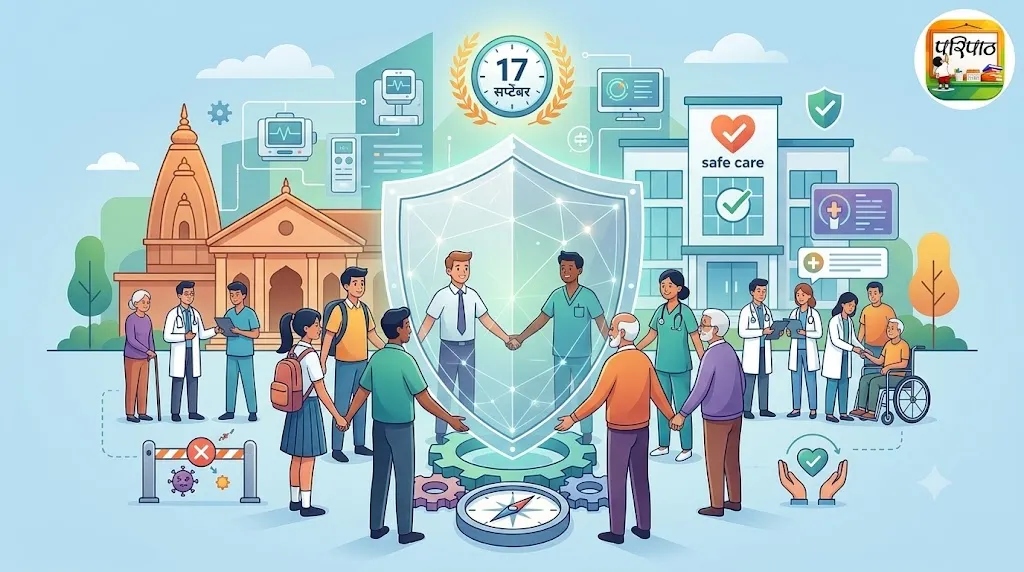
Today, September 17th, marks a significant observance that reminds us of a crucial aspect of healthcare: World Patient Safety Day. Every year, this day is dedicated to raising global awareness about patient safety and advocating for efforts to reduce preventable harm in healthcare settings. Coinciding with the fifth day of Ganesh Chaturthi, Vishwakarma Jayanti, the passing of Ravindra Kelekar, the Russian army's withdrawal from Germany, and North and South Korea's admission to the UN, this day offers a unique opportunity to reflect on our role in healthcare safety.
All of us, at some point, visit a hospital as a patient or to care for a family member. In such situations, we expect not only the best treatment but also a safe experience. But what exactly does 'patient safety' mean? Why is it so important to us? And specifically, how can you, as students—future citizens, patients, caregivers, or perhaps even healthcare professionals—contribute to a safer healthcare environment?
What Exactly is Patient Safety?
In simple terms, patient safety means ensuring that patients do not suffer any harm while receiving healthcare. This includes preventing medical errors, controlling the spread of infections, ensuring the correct use of medications, and providing a comfortable and secure environment for the patient. The healthcare system is complex, involving many stakeholders: doctors, nurses, pharmacists, technicians, administrative staff, and, crucially, the patients themselves and their families.
According to the World Health Organization (WHO), millions of people worldwide are affected by harm during medical care each year. This preventable harm often arises from misdiagnosis, incorrect medication dosages, surgical errors, or hospital-acquired infections. Such errors lead to prolonged suffering, extended hospital stays, increased financial burden, and, tragically, sometimes even loss of life.
Key Aspects of Patient Safety:
- Medication Safety: Ensuring the right drug, right dose, right time, and right patient.
- Infection Control: Adhering to hand hygiene, sterilization, and cleanliness protocols.
- Surgical Safety: Performing the right procedure, on the right patient, at the right site.
- Diagnostic Safety: Accurate diagnosis leading to effective treatment.
- Effective Communication: Clear and concise communication among healthcare providers, patients, and families.
Why Patient Safety Matters to Everyone
Patient safety is not just critical for patients but for the entire healthcare system and society. Here are some key reasons why:
1. Protection of Human Life and Health:
Foremost, patients deserve safe and effective care. Preventing harm caused by medical errors is a fundamental duty of healthcare. When patients feel safe, their trust in the treatment increases, leading to better recovery outcomes.
2. Trust in Healthcare:
When people know they will receive safe and high-quality care, their trust in the healthcare system grows. Without this trust, people may hesitate to seek necessary medical attention, which can negatively impact public health.
3. Economic Impact:
Lapses in patient safety lead to increased costs for hospitals. Medical errors can result in longer hospital stays, additional treatments, and sometimes legal complications. This financial burden falls on patients, their families, and the healthcare system.
4. Morale of Healthcare Workers:
When healthcare professionals can work safely and effectively, their morale improves. Errors also cause significant emotional distress to staff. Safe working practices empower them to perform their duties with greater confidence.
The World Health Organization estimates that 134 million adverse events occur annually in low- and middle-income countries, leading to 2.6 million deaths. Many of these events are preventable.
Your Role as a Student: Becoming an Active Participant
Even if you are not yet providing healthcare or are not a doctor or nurse, you are future patients, caregivers, or responsible members of society. Your awareness and actions can significantly contribute to making healthcare safer. Even seemingly small actions can make a big difference.
1. Be Informed, Ask Questions:
When you or someone in your family visits a hospital, listen carefully to all information. Do not hesitate to ask questions if you have doubts. Ensure you fully understand what the doctor or nurse explains.
- What is your condition? What is the doctor's diagnosis?
- What are the treatment options? Understand the treatment plan.
- What medications are prescribed, and how should they be taken? Ask about dosage, timing, and potential side effects.
- What care is needed after returning home?
Remember, asking questions is not a sign of weakness; it's a mark of responsible citizenship and care for your health.
2. Communicate Clearly and Effectively:
Many healthcare errors stem from miscommunication. Whether you are the patient or accompanying one, provide information clearly. For example:
- Precisely describe your symptoms or discomfort.
- Inform them about any allergies you have.
- List all medications you are currently taking (including over-the-counter or those prescribed by other doctors).
- Express any fears or concerns you might have.
Listen carefully to instructions from healthcare providers and ask for clarification if anything is unclear.
3. Embrace Hygiene Practices:
Hospital-acquired infections are a major concern. You and your family members can make a significant difference by following hygiene rules.
- Wash your hands thoroughly with soap and water or use hand sanitizer before and after visiting a patient.
- Cover your mouth and nose with a tissue or your elbow when sneezing or coughing.
- Avoid touching unnecessary objects in the hospital.
- If you are sick, avoid visiting the hospital, especially if you plan to see young children or patients with compromised immune systems.
4. Understand Your Medications:
Incorrect use of medications can lead to serious consequences. You should know the following about your medicines:
- Medication Name: What is the exact name of the drug?
- Purpose: What condition is it treating?
- Dosage and Timing: How many pills, how often, and when should they be taken? Before or after meals?
- Side Effects: What are the common side effects of this medication?
- Expiry Date: When does the medication expire? Never use expired medicines.
5. Know Your Rights:
As a patient, you have certain fundamental rights. Knowing these rights will empower you to receive safe healthcare.
- Right to Information: The right to receive complete information about your illness, treatment, and alternatives.
- Right to Consent: Your (or your parents', if you are a minor) consent is required for any treatment.
- Right to Privacy: Your medical information must be kept confidential.
- Right to Safety: The right to receive treatment in a safe and clean environment.
- Right to a Second Opinion: If you have doubts about a doctor's diagnosis or treatment, you have the right to seek advice from another doctor.
Simple Steps for a Safer Healthcare Experience
As students, you can do many things to promote safe healthcare in your daily lives and in the future:
- Health Education: Learn more about health and safety. Utilize the knowledge gained from subjects like science and biology in school.
- Raise Awareness: Discuss patient safety with your friends and family. Explain why this day is important.
- Importance of Handwashing: Practice good hand hygiene at home, school, and public places, and encourage others to do the same.
- Vaccination: Protect yourself and others from serious diseases by getting vaccinated.
- Volunteer: If you get the opportunity, participate as a volunteer in health awareness programs.
Shaping the Future of Healthcare: Your Long-Term Impact
Today's students are tomorrow's citizens, parents, professionals, and some will even be healthcare providers. If you become a doctor, nurse, pharmacist, or healthcare administrator, patient safety will be an integral part of your work. It is crucial to instill these values in your mind from now on. Even if you are not in the healthcare field, as an aware citizen, you can advocate for a more responsible healthcare system.
During these auspicious days of Ganesh Chaturthi, let us remember the prayer from our culture: 'Sarve Santu Niramayah' (May all be free from illness). Safe healthcare is essential for building a healthy society.
Did You Know?
- The World Health Organization (WHO) established World Patient Safety Day in 2019.
- Globally, 134 million adverse events occur annually in low- and middle-income countries, leading to 2.6 million deaths, many of which are preventable.
- Handwashing is the simplest and most effective way to prevent hospital-acquired infections.
- Using a 'Safe Surgery Checklist' before surgery can reduce mortality rates by up to 25%.
- Active involvement of patients and their families in healthcare can reduce medical errors by up to 15%.
Conclusion
World Patient Safety Day is important not just for healthcare professionals but for all of us. Patient safety means preventing any harm to the patient during treatment. As students, you can make a significant contribution to safe healthcare by being informed, asking questions, communicating clearly, practicing hygiene, understanding medications, and being aware of your rights. Your actions will not only make your own healthcare journey safer but also that of others in society, making it more comfortable and secure. So, let's play our part in building a safe and healthy future starting today!
Thank you!