Hello, young learners!
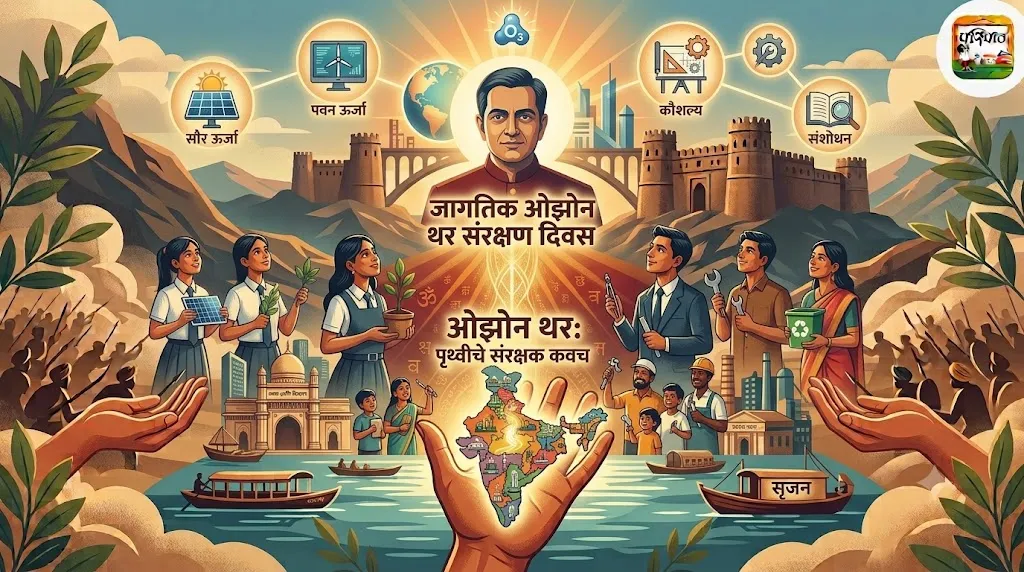
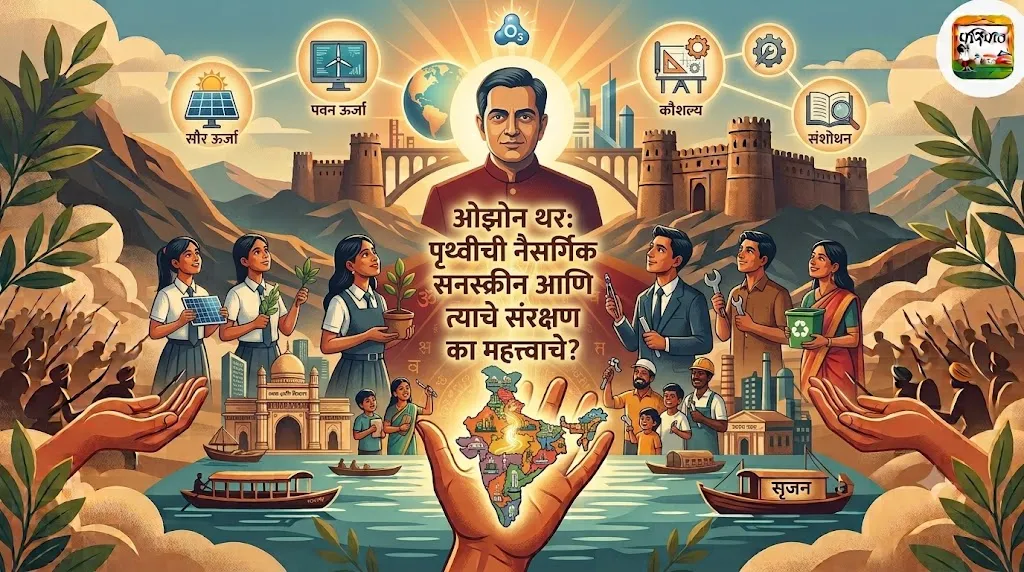
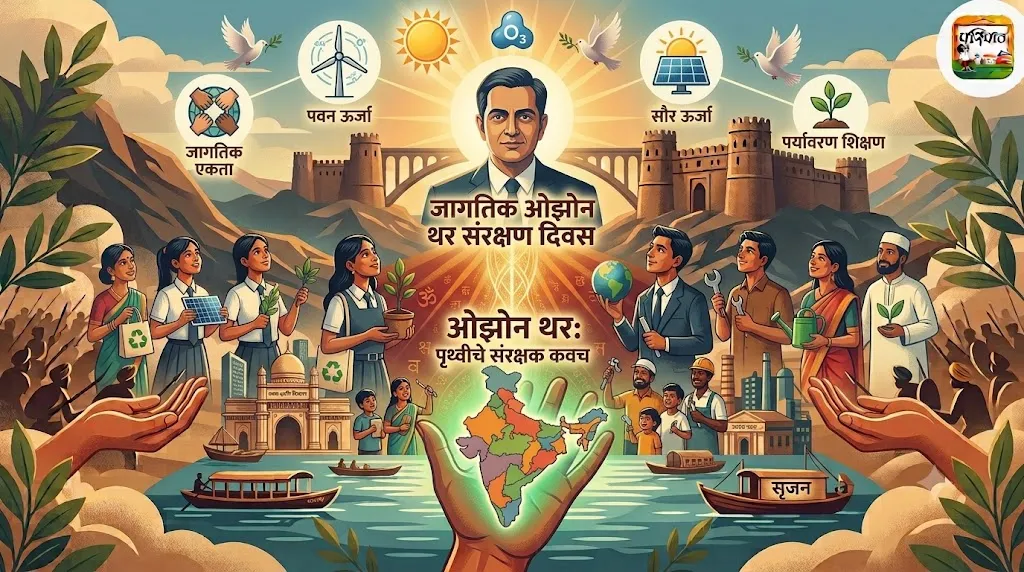
Today, we're going to talk about a critically important topic that concerns all our futures – Nature Conservation. Every year, on July 28th, we observe 'World Nature Conservation Day'. This day serves as a powerful reminder of the immense value of our natural surroundings and our moral duty to protect them. On 'Paripath', your favorite educational platform, we'll delve into the significance of this day, explore India's environmental challenges, and discover how you, as students, can contribute to this noble cause.
The Significance of World Nature Conservation Day: Nature's Priceless Gift
Our planet, Earth, is an extraordinary place. Blessed with clean air, pure water, fertile land, lush forests, and a diverse array of animals and plants, it provides us with everything essential for life. But how often do we truly appreciate and care for this natural bounty?
The primary purpose of World Nature Conservation Day is to foster appreciation for nature and encourage its preservation. Nature isn't just about trees, mountains, or rivers; it's a complex web of interdependent ecosystems. Every component within these ecosystems plays a vital role. If even one element is disrupted, it impacts the entire system and, consequently, human life.
Trees that provide us oxygen, rivers that supply drinking water, fertile land for growing food, and biodiversity that offers medicines and countless other resources – these are all invaluable gifts from nature. However, due to growing human needs and irresponsible actions, nature is now under threat. Problems like deforestation, pollution, and climate change are displacing many plant and animal species from their habitats, with some even teetering on the brink of extinction.
“The Earth provides enough to satisfy every man's needs, but not every man's greed.” – Mahatma Gandhi
On this day, it's crucial that we recognize the importance of these natural gifts and commit to protecting them. Nature conservation isn't merely about planting trees; it's about using natural resources judiciously and responsibly in our daily lives.
The Imperative of Nature Conservation: Securing Our Future
Nature conservation is not just an environmental issue; it's a fundamental challenge for human existence and our future. The natural resources we consume today are finite. If we continue to exploit them indiscriminately, there will be nothing left for future generations.
The Importance of Water: The Basis of Life
Water is life! While Earth is 71% water, only about 2.5% is freshwater, and a significant portion of that is locked in polar ice caps. This leaves a very small percentage of usable drinking water. With increasing population and pollution, water scarcity has become a global crisis. Lack of clean water leads to numerous diseases and severely impacts agriculture and industries.
The Importance of Air: For Every Breath We Take
Have you ever considered how clean the air you breathe is? Vehicle emissions, toxic gases from factories, and deforestation contribute to rising air pollution. This leads to respiratory illnesses, heart diseases, and many other health problems. In large cities like Delhi and Mumbai, air pollution is a severe concern.
The Importance of Land: The Source of Our Food
Our food comes from the land. Fertile soil is essential for agriculture. However, deforestation, overgrazing, excessive use of chemical fertilizers, and industrial waste are causing soil erosion and depleting its fertility. Land pollution poses a significant threat to food security.
The Importance of Biodiversity: Balancing Ecosystems
Biodiversity refers to the variety of life on Earth – from microorganisms to giant animals, and tiny plants to massive trees. Every living organism plays a specific role in an ecosystem. Bees pollinate, vultures clean up carrion, and predators like tigers maintain the balance of the natural food chain. If a species goes extinct, it impacts the entire food web, disrupting the ecosystem's balance. Many medicines are derived from plants and animals. Biodiversity is an integral part of our lives.
Considering all these factors, nature conservation is not just for environmental protection but is absolutely essential for the survival of current and future generations. Climate change, global warming, and the increasing frequency of natural disasters are all consequences of an imbalanced nature.
India's Environmental Crossroads: Challenges and the Path Forward
India, being a large country with a vast population and a rapidly growing economy, faces numerous critical environmental challenges. These issues are a matter of concern for all of us and require immediate action.
1. Water Pollution and Scarcity:
Many of India's rivers, lakes, and groundwater sources are heavily polluted by domestic waste, industrial effluents, and agricultural chemicals. Sacred rivers like the Ganga and Yamuna are severely contaminated. This not only creates a shortage of drinking water but also endangers aquatic life. Several states, especially during summer, experience acute water scarcity, significantly impacting agriculture and daily life.
2. Air Pollution:
Many Indian cities are among the most polluted in the world. Vehicular emissions, industrialization, construction activities, and crop burning are major contributors to air pollution. Air quality in metropolitan areas like Delhi, Mumbai, and Kolkata often reaches hazardous levels, leading to severe respiratory and other health issues for citizens.
3. Deforestation and Biodiversity Loss:
Rapid urbanization, industrial growth, and increasing demand for agricultural land have led to extensive deforestation. This destroys the habitats of many wild animals and results in biodiversity loss. The rich biodiversity of the Western Ghats and northeastern states is also under threat. The existence of many species like tigers, elephants, and rhinos is precarious.
4. Waste Management:
India generates a massive amount of waste daily, particularly plastic waste. This waste is often not properly disposed of, leading to its accumulation in rivers, oceans, and on land. Plastic takes thousands of years to decompose and poses a significant threat to the environment and wildlife. Waste segregation and recycling are still not implemented effectively enough.
5. Soil Erosion and Desertification:
Over-cultivation, deforestation, and improper land management lead to soil erosion. Fertile topsoil is washed away by rain, reducing land productivity. In some areas, particularly those with dry climates, desertification is occurring, making agriculture impossible.
While these challenges are substantial, we can overcome them by working together. The participation of every citizen, especially the youth, is crucial.
Young Stewards: Simple Yet Impactful Actions You Can Take
As students, you are the future of our nation and the world. Even your smallest actions can bring about significant change. Let's explore what you can do for nature conservation:
1. Reduce Waste and Manage It Properly:
- Practice the 3 R's: Reduce, Reuse, Recycle. Avoid buying unnecessary items. Use cloth bags instead of plastic bags. Think about how old items can be repurposed instead of thrown away.
- Avoid Plastic: Completely avoid single-use plastics like plastic cups, plates, and straws. Carry your own water bottle.
- Waste Segregation: Separate wet and dry waste at home. Try composting organic waste.
- Use Dustbins: Always dispose of waste in designated dustbins. Do not litter in public places or on roads.
2. Conserve Water:
- Be Mindful of Taps: Don't leave taps running unnecessarily while brushing teeth, bathing, or washing dishes.
- Fix Leaks: If you notice a leaky tap at home or school, inform adults and get it repaired promptly.
- Reuse Water: Consider if water used for washing clothes or vegetables can be reused for watering plants.
- Learn about Rainwater Harvesting: Understand methods of collecting rainwater and share information with others if possible.
3. Save Energy:
- Switch Off Appliances: Turn off lights, fans, and TVs when you leave a room. Unplug chargers when not in use.
- Utilize Natural Light: Whenever possible, use natural light during the day. Keep windows open.
- Use Public Transport/Cycle: For school or nearby places, use a bicycle or walk. This saves fuel and reduces pollution.
4. Plant Trees and Care for Them:
- Tree Plantation: Plant a tree on your birthday or other special occasions. Don't just plant it, but also take regular care of it.
- Understand the Importance of Trees: Trees provide us with oxygen, purify the air, prevent soil erosion, and offer shelter to many living beings.
- Participate in School Activities: Enthusiastically join tree planting or environmental cleanliness campaigns organized at school.
5. Protect Local Flora & Fauna:
- Gain Knowledge: Learn about the local plants and animals in your area. Understand the importance of their conservation.
- Do Not Harm Animals: Do not disturb stray animals or birds. Take care of them.
- Emphasize Biodiversity: Explain to others why the biodiversity in your locality is important.
6. Spread Awareness:
- Talk to Friends and Family: Share what you are doing for nature conservation with your friends and family. Inspire them to participate as well.
- Participate in School Programs: Join essay competitions, drawing competitions, or plays organized by the school on Environment Day or other occasions.
- Use Social Media Responsibly: Share positive messages and information about nature conservation on social media.
Conclusion: Our Role as Responsible Citizens
World Nature Conservation Day is not just a day of celebration; it's a crucial moment that reminds us of our responsibility towards nature. Nature provides us with everything, and in return, it is our duty to protect it.
Nature conservation is not just the responsibility of governments or large organizations; it is the responsibility of every individual, every family, and every student. Your small actions, such as turning off a tap, disposing of waste correctly, avoiding plastic, or planting a tree, can collectively bring about a significant and positive change.
We need to keep our planet safe and beautiful for future generations. So, let's pledge today to contribute to this great cause of nature conservation. Remember, protecting nature means protecting our own future!
Did You Know?
- About 20% of the world's oxygen is produced by the Amazon Rainforest.
- A single mature tree can absorb approximately 21 kg of carbon dioxide per year and release oxygen.
- India is home to over 45,000 species of plants and more than 91,000 species of animals, making it one of the world's 12 'megadiverse' countries.
- Turtles, dolphins, and many seabirds die from eating plastic, mistaking it for food.
- Approximately 62 million tons of waste are generated in India annually, of which only about 20% is properly processed.