Dear students and respected parents,
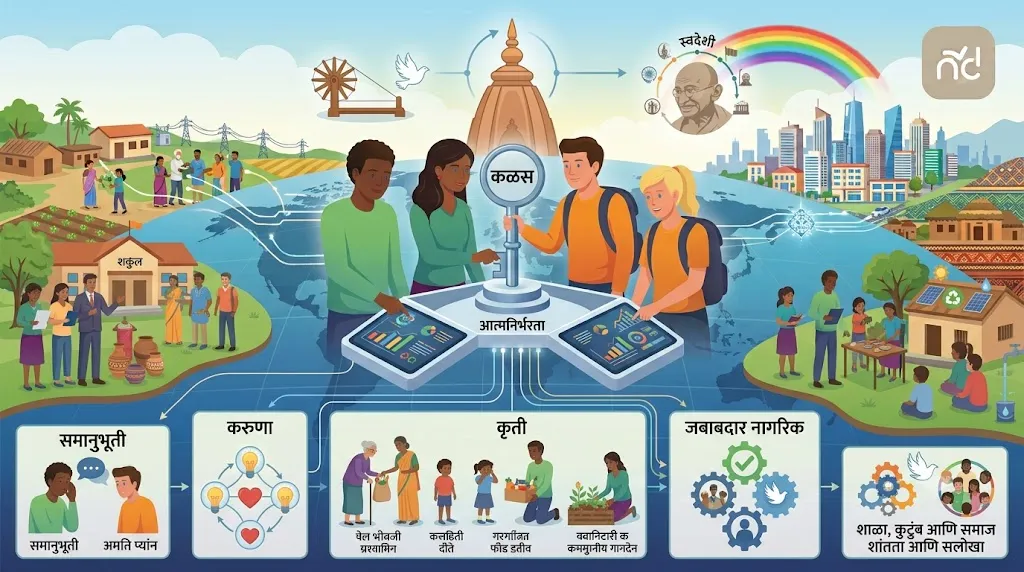
In today's fast-paced world, where everyone is chasing their own goals, the ability to understand the feelings and needs of others has become incredibly important. This capacity to 'understand others' is what we call empathy. Empathy is not just an emotion; it's a powerful skill that helps us connect with others and develop into better human beings. In this special blog from Paripath, we will explore the power of empathy, its importance in daily life, and practical ways students can develop and practice it.
What is Empathy? More Than Just Feeling Sorry
Empathy is the ability to understand and share the feelings, thoughts, and experiences of another person as if they were your own. It's distinctly different from 'sympathy,' which simply means feeling pity or sorrow for someone. With empathy, you literally put yourself 'in someone else's shoes,' experiencing the situation from their perspective. For instance, if your friend fails an exam, sympathy might lead you to say, 'I feel bad for you.' Empathy, however, would involve understanding their disappointment, trying to feel what they're going through, and offering genuine emotional support.
Empathy is generally categorized into two main types:
- Cognitive Empathy (Perspective Taking): This involves intellectually understanding another person's thoughts and feelings. You can grasp their viewpoint without necessarily feeling their emotions yourself. For example, 'If I were in their situation, I might feel this way.'
- Emotional Empathy (Empathic Concern): This is when you genuinely feel the emotions of another person. If someone is sad, you might feel a pang of sadness yourself. This type of empathy helps us connect more deeply with others.
Both forms of empathy are crucial in our daily lives, enabling us to communicate more effectively and build stronger, more meaningful relationships.
Why Empathy Matters: Building Bridges in Daily Life
Empathy is not merely a desirable trait; it's an essential life skill that brings positive change at various levels in our personal and social lives.
Empathy at School
School is a vital hub for students' social development, where empathy proves beneficial in numerous ways:
- Friendships and Relationships: When you understand your friends' feelings, your friendships become stronger. You can support them better, and in turn, they will try to understand you.
- Conflict Resolution: Minor arguments among friends or groups are common in school. Empathy allows you to consider the other person's side, helping to clear misunderstandings and resolve conflicts peacefully.
- Combating Bullying: When students cultivate empathy for one another, instances of bullying decrease. Understanding what a victim might be feeling discourages others from causing harm.
- Group Work: When working together, respecting everyone's ideas and feelings is paramount. Empathy makes you a better team player, leading to more successful group projects.
'Empathy is seeing with the eyes of another, listening with the ears of another, and feeling with the heart of another.' - Stephen Covey
Empathy at Home
The family is the first and most crucial place in our lives where we learn and practice empathy.
- Family Bonds: Your relationships with parents, siblings, and other relatives grow stronger. When you understand your parents' work stress or your siblings' problems, it creates a positive atmosphere at home.
- Resolving Misunderstandings: Misunderstandings can occur within families. Empathy helps you consider each other's perspectives and find solutions to problems.
- Support and Love: When family members provide emotional support to one another, they foster deeper love and mutual respect.
Empathy in the Community
Empathy is essential for making our society better and more inclusive.
- Respect for Diversity: Our society comprises people from various cultures, religions, languages, and lifestyles. Empathy helps us respect this diversity and learn about others' experiences.
- Social Responsibility: When you understand the needs of people around you, you are more likely to want to help them. This fosters a sense of social responsibility.
- Peace and Harmony: Empathy reduces misunderstandings between different groups and communities, thereby maintaining peace and harmony.
Practical Steps to Cultivate Empathy
Empathy is not an inherent gift but a skill that can be developed through practice. As students, you can enhance your empathy through the following ways:
1. Master Active Listening
When someone is speaking to you, listen with full attention. Pay close attention to their words, tone of voice, and body language. Try to understand what they are trying to convey and how they are feeling. Avoid interrupting or immediately offering advice. Just listen and try to comprehend.
2. Step into Another's Shoes (Perspective-Taking)
When faced with a situation, try to imagine yourself in the other person's place. Ask yourself questions like, 'If I were them, how would I feel?', 'What would I do?'. This helps you understand their emotions and actions.
3. Understand and Express Emotions
First, learn to understand your own emotions. When do you feel joy, anger, or sadness? By recognizing your own feelings, you'll be better equipped to identify the emotions of others. Also, learn to express your emotions appropriately.
4. The Power of Giving and Volunteering
Volunteer at your school, in your community, or with an NGO. Help those in need. This will give you a close look at the experiences of people from different backgrounds and help you understand their problems. Spending time with young children or the elderly is also an excellent way to boost empathy.
5. Embrace Diversity: Learning from Different Worlds
Read books, watch movies, or interact with people from different cultures. Learn about their traditions, festivals, and lifestyles. This will foster respect for others and broaden your perspective on the world.
6. Observe and Ask Questions
Observe the people around you. How do they behave? What do they say? What does their body language communicate? When you don't understand something, ask them respectfully. This will give you more information about them and help clear up misunderstandings.
The Transformative Impact of Empathy
Developing empathy benefits not only others but also yourself in numerous ways. These advantages make our lives richer and more meaningful.
1. Forging Stronger Connections
When you understand others' feelings, they trust you more. This strengthens friendships, family bonds, and other social relationships. You can build deeper and more meaningful connections with people around you.
2. Navigating Conflicts with Understanding
Empathy helps you handle disagreements and conflicts more effectively. By understanding both sides, you can find common ground, resolve issues peacefully, and prevent misunderstandings from escalating.
3. Creating a Truly Inclusive Society
In an empathic society, every individual is respected and valued. No one feels alone or neglected. Such a society is safe and supportive for all, where everyone helps each other and grows together.
4. Enhancing Well-being and Resilience
Empathy connects you with others, reducing feelings of loneliness. Helping others brings satisfaction and boosts your self-confidence. All of this is highly beneficial for your mental health and overall well-being.
5. Developing Leadership Qualities
Empathetic individuals often make excellent leaders. They understand the needs, emotions, and capabilities of their team members, inspiring them to work together more effectively and achieve common goals.
Did You Know?
- Empathy is a natural human capacity, but it can be significantly developed and strengthened through practice and conscious effort.
- Studies suggest that people who are more empathetic tend to be happier and more satisfied with their lives.
- The word 'empathy' emerged in the 1890s from the German word 'Einfühlung,' meaning 'feeling in' or 'feeling into.'
- Engaging with music and art can also help foster empathy, as they connect us to a wide range of emotions and experiences.
- Mirror neurons in the brain are thought to play a key role in empathy, activating when we observe others' actions or understand their emotions, facilitating our ability to 'mirror' their experiences.
Conclusion
Empathy is not just an emotion; it's a way of life. It makes us better students, better friends, better sons/daughters, and most importantly, better human beings. In today's world, where differences and misunderstandings often arise, empathy acts as a bridge, bringing people closer together.
Dear students, developing empathy is within your reach. Make an effort to understand others, respect their feelings, and extend a helping hand. This will not only make others' lives better but also enrich your own. Let's start practicing empathy today and contribute to building a more compassionate, inclusive, and strong society!