Imagine a factory that runs on sunlight, uses a gas from the air, and water, to produce delicious food and, as a bonus, releases the very air we breathe to survive. This isn't a futuristic human invention; it's the miraculous process happening right now in every green leaf around you! This incredible process is called Photosynthesis. Today, we're going to dive deep into this natural wonder and explore its profound impact on our lives.
From the rice, wheat, vegetables, and fruits we eat daily, to the very air filling our lungs, almost everything we rely on for sustenance and survival can be traced back to plants and their ability to perform photosynthesis. Without it, life as we know it would simply not exist. Let's embark on a journey into the world of this 'green magic'!
What Exactly is Photosynthesis?
In simple terms, photosynthesis is the process by which green plants, some algae, and cyanobacteria convert light energy, usually from the sun, into chemical energy in the form of glucose (a type of sugar). They achieve this by using carbon dioxide from the atmosphere and water from the soil. A crucial by-product of this process is oxygen, which is released into the atmosphere.
It's not just a chemical reaction; it's the fundamental process that fuels life on Earth, maintains atmospheric balance, and underpins nearly every ecosystem. It's the reason our planet is teeming with diverse life forms.
The Essential Ingredients: Nature's Recipe for Life
For photosynthesis to occur, four primary ingredients are absolutely essential. Think of them as nature's magical components:
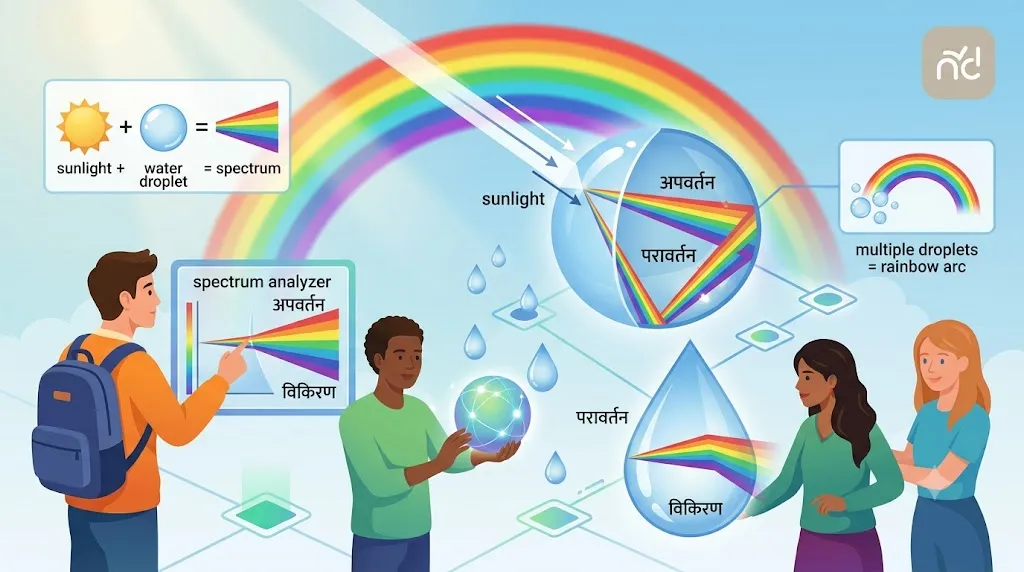
- Sunlight: This is the ultimate energy source. Plants absorb light energy from the sun and use it to power the food-making process. Sunlight is composed of various colors, and plants primarily utilize the red and blue parts of the light spectrum.
- Carbon Dioxide (CO2): This is a gas present in the atmosphere, exhaled by animals and humans, and released by various industrial activities. Plants absorb carbon dioxide from the air through tiny pores on their leaves called 'stomata'.
- Water (H2O): Plants absorb water from the soil through their roots. This water is then transported up through specialized tubes (called 'xylem') in the stem to the leaves.
- Chlorophyll: This is the special green pigment found in the leaves and sometimes stems of plants. Chlorophyll is what gives plants their characteristic green color. Its most vital role is to capture light energy from the sun. You can think of chlorophyll as a miniature solar panel, specifically designed to trap solar energy.
The coordinated action of these four components makes photosynthesis possible.
The Grand Process: Inside the Plant's Food Factory
While the concept might seem straightforward, the actual process of photosynthesis is incredibly intricate and precise. It primarily takes place within the leaves of plants.
Leaf Structure and the Role of Chloroplasts
Within a plant's leaves are millions of tiny cells. Inside these cells are specialized structures called 'chloroplasts'. Chloroplasts are essentially the 'food factories' of the plant. Each chloroplast contains chlorophyll molecules, which are responsible for absorbing sunlight.
The process of photosynthesis is divided into two main stages:
- Light-Dependent Reactions:
- This stage occurs within the 'thylakoid' membranes inside the chloroplasts.
- When sunlight strikes chlorophyll, the chlorophyll absorbs this light energy.
- The absorbed energy is used to split water molecules (H2O) into hydrogen (H) and oxygen (O). This process is known as 'photolysis'.
- During this splitting, oxygen (O2) is released as a by-product through the stomata in the leaves and enters the atmosphere. This is the oxygen we breathe!
- In this stage, light energy is converted into chemical energy, producing energy-carrying molecules called 'ATP' (Adenosine Triphosphate) and 'NADPH' (Nicotinamide Adenine Dinucleotide Phosphate Hydrogen). These molecules will provide the energy for the second stage.
- Light-Independent Reactions (or Calvin Cycle):
- This stage takes place in the 'stroma', the fluid-filled space within the chloroplasts.
- Direct sunlight is not required for this stage, but it utilizes the ATP and NADPH energy generated during the light-dependent reactions.
- Plants take in carbon dioxide (CO2) from the air.
- With the help of ATP and NADPH, carbon dioxide is converted into glucose (C6H12O6). Glucose is the plant's food.
- This glucose is then used by the plant for its growth, development, and as an energy source. Some glucose is stored as starch for later use.
Through these two stages, sunlight, water, and carbon dioxide are transformed into food and oxygen. Truly, an incredible chemical feat!
"Photosynthesis is the most important chemical process on Earth for life. Without it, our world would be completely different, and likely lifeless."
Why Photosynthesis is Life's Ultimate Magic Show
Photosynthesis is not just vital for plants; it's absolutely crucial for the survival of all life forms on Earth. Its significance spans across multiple aspects:
1. The Foundation of the Food Chain
Plants are known as 'producers' because they create their own food. Almost all living organisms on Earth (with very few exceptions) depend directly or indirectly on plants for their food. Herbivores (like cows and deer) eat plants, while carnivores (like tigers and lions) eat herbivores. The entire food chain begins with photosynthetic organisms. If photosynthesis were to stop, the food chain would collapse, leading to the extinction of most life forms.
2. The Primary Source of Oxygen
We, and most other living beings, need oxygen to breathe. This oxygen is a direct product of photosynthesis. Approximately 21% of Earth's atmosphere is composed of oxygen, maintained primarily by photosynthetic activity. If plants stopped producing oxygen, the atmospheric oxygen levels would deplete rapidly, making respiration impossible for most organisms within a short period.
3. Regulation of Carbon Dioxide
Photosynthesis plays a critical role in regulating the amount of carbon dioxide in the atmosphere. Plants absorb carbon dioxide and release oxygen, thus reducing the concentration of CO2. Carbon dioxide is a 'greenhouse gas' that contributes to global warming. By removing CO2 from the atmosphere, photosynthesis helps mitigate climate change and stabilize Earth's temperature.
4. Impact on Human Life and Economy
- Food: Our diets heavily rely on plant-based foods such as grains, pulses, vegetables, and fruits.
- Fuel: Fossil fuels like coal, petroleum, and natural gas were formed over millions of years from the buried remains of ancient plants and animals. Their creation involved the chemical energy stored through ancient photosynthesis. Wood is also a significant fuel source.
- Medicines: Many medicinal plants derive their therapeutic properties from the various chemicals they produce through photosynthesis.
- Fibers: Plants like cotton and jute provide us with fibers for clothing and other textiles.
- Timber: Wood is used for construction, furniture, and paper production.
It's clear that photosynthesis is not merely a scientific process; it's an integral part of our daily lives and the very existence of every living being on Earth.
Factors Influencing This Green Miracle
The rate of photosynthesis is influenced by several environmental factors. Changes in these factors can either enhance or hinder the process:
- Light Intensity: More light generally means more photosynthesis. Up to a certain point, increasing light intensity increases the rate of photosynthesis. Too little light slows the process, while excessively strong light can damage the leaves.
- Carbon Dioxide Availability: Carbon dioxide is a primary raw material for photosynthesis. An increase in CO2 concentration in the atmosphere (up to a certain limit) can lead to an increased rate of photosynthesis.
- Temperature: Photosynthesis has an optimal temperature range. At very low or very high temperatures, the process slows down or stops altogether. Typically, temperatures between 25°C to 35°C are ideal for many plants.
- Water Availability: Water is a crucial reactant in photosynthesis. If there's a scarcity of water, plant stomata tend to close to conserve water, which in turn limits the intake of carbon dioxide and slows down photosynthesis.
- Chlorophyll Content: A higher concentration of chlorophyll in the leaves means more efficient absorption of light energy, leading to a higher rate of photosynthesis.
A proper balance of these factors is essential for optimal photosynthesis.
Beyond the Green: Modern Research and Future Possibilities
Scientists today are intensely studying the process of photosynthesis. 'Artificial photosynthesis' is a significant area of research. This involves attempting to mimic natural photosynthesis to produce fuels or energy using sunlight. If successful, this technology could revolutionize clean energy production and significantly reduce our dependence on fossil fuels.
Additionally, research focuses on understanding the impact of climate change on plants and, consequently, on photosynthesis itself. Protecting our plant life is paramount for our future, as they not only provide oxygen and food but also play a critical role in maintaining environmental balance.
Did You Know?
- Approximately 50% to 80% of the Earth's oxygen is produced by tiny marine algae and cyanobacteria through photosynthesis in the oceans.
- A large, mature tree can absorb about 22 kilograms of carbon dioxide per year and produce enough oxygen for 10 adults to breathe for a year.
- Chlorophyll appears green because it reflects green light and absorbs red and blue light.
- Without photosynthesis, life on Earth as we know it would never have evolved.
- The scientist who discovered the Calvin Cycle, Melvin Calvin, was awarded the Nobel Prize in Chemistry in 1961.
Conclusion
Photosynthesis is truly an extraordinary and life-giving process of nature. This 'magic' continuously unfolds within every green leaf around us. This process not only helps plants survive but also provides food and the oxygen necessary for every living organism on Earth. The next time you look at a tree, remember that it's not just a plant; it's an incredible food and oxygen factory, a fundamental pillar of our existence.
Understanding the importance of this magical process and protecting our environment is a collective responsibility. Let's appreciate this green miracle more and contribute to maintaining nature's delicate balance!