Dear Students,
Today, September 19, 2026, marks the auspicious occasions of Radhashtami and Durva Ashtami. On this sacred day, let us pledge to care for our surroundings and the environment. Natural disasters, like the severe earthquake that recently struck Mexico and the past one in Sikkim, remind us of the critical importance of maintaining ecological balance. As the 17th Asian Games commence, just as athletes strive for excellence in their fields, we too must make efforts for our environment. Today, we will discuss a vital topic that is an integral part of our daily lives – Waste Management.
Have you ever wondered what happens to the waste generated daily from your homes or schools? It doesn't just disappear; if not managed properly, it can become a serious threat to our environment and health. Waste management isn't solely the responsibility of the government or local municipalities; it is a crucial duty for each one of us, especially students. So, let's explore the various facets of this essential art of waste management.
Understanding Waste: A Growing Challenge
Generally, items we no longer use or discard are termed 'waste.' This includes kitchen scraps, fruit peels, stale food, paper, plastic, glass, metals, old clothes, electronic devices, and many other things. Due to modern lifestyles and a growing population, the volume of waste is increasing at an alarming rate every day.
- Population Growth: More people mean more consumption and, consequently, more waste.
- Rapid Urbanization: Cities generate a higher proportion of waste, and its disposal becomes a significant challenge.
- Consumerism: The 'Use and Throw' culture leads to less reuse and more waste. The tendency to buy new items frequently results in older items being discarded prematurely.
- Packaging: The excessive use of plastic packaging for food and other products is a major contributor to environmental harm.
This escalating waste pollutes our mountains, rivers, oceans, and cities. It reduces soil fertility, contaminates water, pollutes the air, and invites numerous diseases. Therefore, effective waste management is paramount for our future.
The First and Most Crucial Step: Segregation at Source
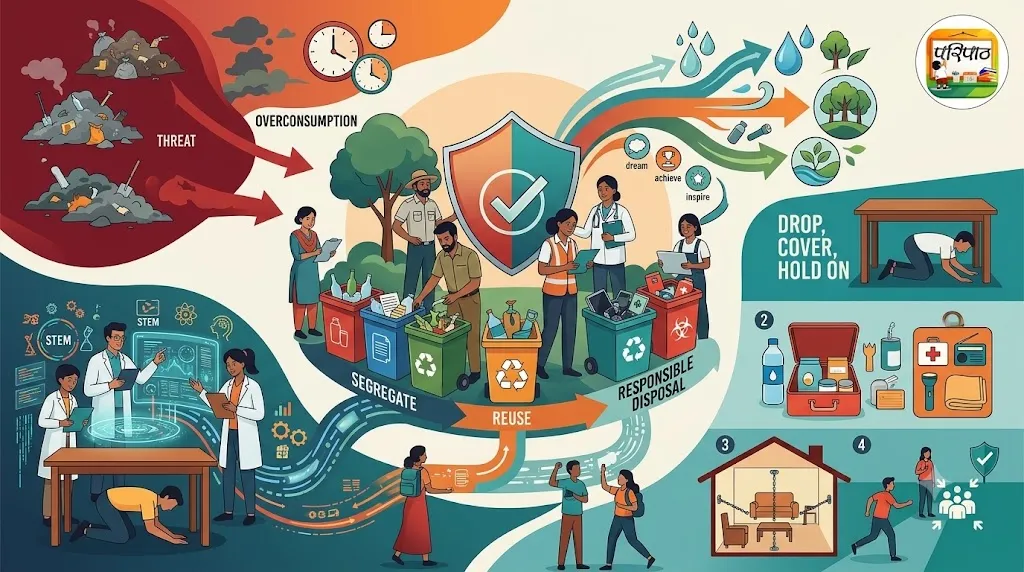
The most important and initial step in waste management is Waste Segregation. This means separating waste into different categories at the point of generation. As simple as it sounds, this practice is incredibly effective.
Main Types of Waste:
- Wet Waste:
This category includes food waste, vegetable and fruit peels, stale food, flowers, leaf litter, etc., generated from homes. This waste is naturally biodegradable.
- Examples: Vegetable stalks, fruit skins, leftover food, tea leaves, coffee grounds, eggshells, soil.
Use: Wet waste can be converted into compost, which is highly beneficial for gardening and agriculture, reducing the need for chemical fertilizers.
- Dry Waste:
This includes plastics, paper, glass, metals, rubber, wood, cloth, etc. This waste is generally non-biodegradable and can be recycled or reused.
- Examples: Plastic bottles, bags, wrappers, newspapers, magazines, cardboard boxes, glass bottles, broken toys, old clothes, metal cans.
Use: Dry waste can be recycled to create new products, which conserves natural resources and reduces pollution.
- Hazardous Waste:
This type of waste is extremely dangerous for our health and the environment. It includes chemical substances, medicines, batteries, electronic waste (e-waste), pesticides, paints, and sharp objects.
- Examples: Used batteries, CFL bulbs, broken thermometers, old medicines, injection needles, paints and solvents, electronic devices (mobiles, laptops, TVs).
Use: The disposal of hazardous waste requires extreme care and specialized methods to prevent adverse effects. Many cities have specific collection centers for this.
Actionable Steps for Students:
- At Home: Keep two separate bins for wet and dry waste. Maintain a small separate container for hazardous waste and dispose of it at appropriate collection points.
- At School: Encourage your school to place separate bins for wet, dry, and recyclable waste in classrooms and common areas.
- Awareness: Educate your family, friends, and neighbors about the importance of waste segregation.
"Cleanliness is not just an act; it's a habit that transforms our lives."
The Power of Recycling: Transforming Trash into Treasure
After waste segregation, the next crucial step is Recycling. Recycling involves processing discarded or seemingly useless items to create new and useful products. It's a magical process where waste turns into 'wealth.'
Benefits of Recycling:
- Conservation of Natural Resources: Manufacturing new products always consumes natural resources (e.g., wood, metals, minerals). Recycling reduces the strain on these resources. For instance, recycling paper saves trees, and recycling metals reduces mining activities.
- Energy Saving: Less energy is required to produce items from recycled materials compared to manufacturing them from raw materials. For example, recycling aluminum cans saves 95% of the energy needed to produce new cans from scratch.
- Reduction in Pollution: Burning or burying waste pollutes the air and water. Recycling reduces the volume of waste, thereby mitigating pollution.
- Job Creation: The recycling industry creates numerous job opportunities, contributing positively to the economy.
- Reduced Landfill Burden: Recycling decreases the amount of waste sent to landfills, allowing land to be used for more productive purposes.
What Can Be Recycled?
- Paper: Newspapers, magazines, books, cardboard boxes, packaging materials.
- Plastic: Water bottles, cold drink bottles, milk pouches, certain types of plastic containers (not all plastics are recyclable; check the symbols on the packaging).
- Glass: Glass bottles, jars.
- Metal: Aluminum cans, iron objects, steel utensils.
- Electronic Waste (E-waste): Old mobile phones, laptops, TVs, batteries. Special recycling centers are available for these.
Actionable Steps for Students:
- Recycle: Dispose of recyclable waste from your home and school into the appropriate bins.
- Reuse: Instead of throwing away old items, try to find new uses for them. For example, use old plastic bottles as pen holders, or turn old clothes into cloth bags.
- Visit Recycling Centers: If possible, visit a nearby recycling center to understand how the process works.
Responsible Disposal: Ensuring a Cleaner Tomorrow
After segregation and recycling, the remaining waste must be disposed of responsibly. Improper waste disposal leads to severe environmental and health problems.
Methods of Responsible Disposal:
- Composting:
This is the best method for wet waste. Organic waste like vegetable and fruit peels, stale food, and leaf litter can be converted into compost. This compost serves as an excellent natural fertilizer for gardens and farms.
- At Home: You can create compost in your garden or pots using a compost pit or a compost bin.
- At School: Initiate a composting project for the school garden.
- Handing Over Waste to Recycling Centers:
Dry waste items like plastic, paper, glass, and metal should be given to recycling centers. Many cities have municipal or private organizations that collect this waste from households.
- Safe Disposal of Hazardous Waste:
Do not dispose of hazardous waste like batteries, old medicines, CFL bulbs, and e-waste with regular trash. There are specific collection centers or authorized recycling facilities for these. Contact them for proper disposal. Some electronics stores also collect old electronic items.
- Landfills:
Waste that cannot be recycled or composted is safely disposed of in landfills. However, our ultimate goal should be to minimize the use of landfills.
Practices to Avoid:
- Burning Waste: Burning waste pollutes the air and releases toxic gases into the atmosphere, causing respiratory illnesses.
- Littering: Throwing waste on streets harms the environment, clogs drains, and increases the spread of diseases.
- Dumping Waste in Water Bodies: Discarding waste in rivers, lakes, and oceans endangers aquatic life and contaminates water.
Your Role as a Young Environmental Champion
As students, you can play a very significant role in waste management. Even your small efforts can bring about a big change.
- Adopt the 3 R's:
- Reduce: Buy only what you need. Avoid unnecessary purchases. Use cloth bags instead of plastic ones.
- Reuse: Find new uses for old items instead of throwing them away. E.g., use old glass bottles for water, old containers for storage.
- Recycle: Place recyclable items in the appropriate bins for recycling.
- Increase Awareness:
- Educate your family, friends, and teachers about the importance of waste management.
- Organize awareness campaigns in school for waste segregation and recycling.
- Share information about eco-friendly habits with others.
- Participate in School Projects:
- Actively participate in your school's 'Swachh Bharat Abhiyan' or cleanliness drives.
- Take part in 'Best out of Waste' competitions to create art from discarded materials.
- Help with composting projects for the school garden.
- Contact Local Authorities:
If you notice shortcomings in waste management in your area, contact your local municipality or Gram Panchayat and suggest appropriate solutions.
Did You Know?
- A single plastic bottle can take approximately 450 years to decompose completely!
- Recycling one ton of paper saves 17 trees and 7,000 gallons of water.
- Aluminum can be recycled an infinite number of times without losing its quality.
- India generates approximately 1.5 lakh tons of waste daily, and only about 20-25% of it is processed.
- E-waste is the fastest-growing waste stream globally. Around 50 million tons of e-waste are generated worldwide each year.
Conclusion
Waste management is not just a problem; it's an opportunity – an opportunity to build a cleaner, healthier, and more beautiful future. Through the simple yet effective practices of waste segregation, recycling, and responsible disposal, we can maintain our environmental balance. As students, you are the true ambassadors of this change. Your small efforts, starting from your home, school, and community, can bring about a significant revolution.
So, let's embrace this art today and commit ourselves to making our India clean and beautiful!