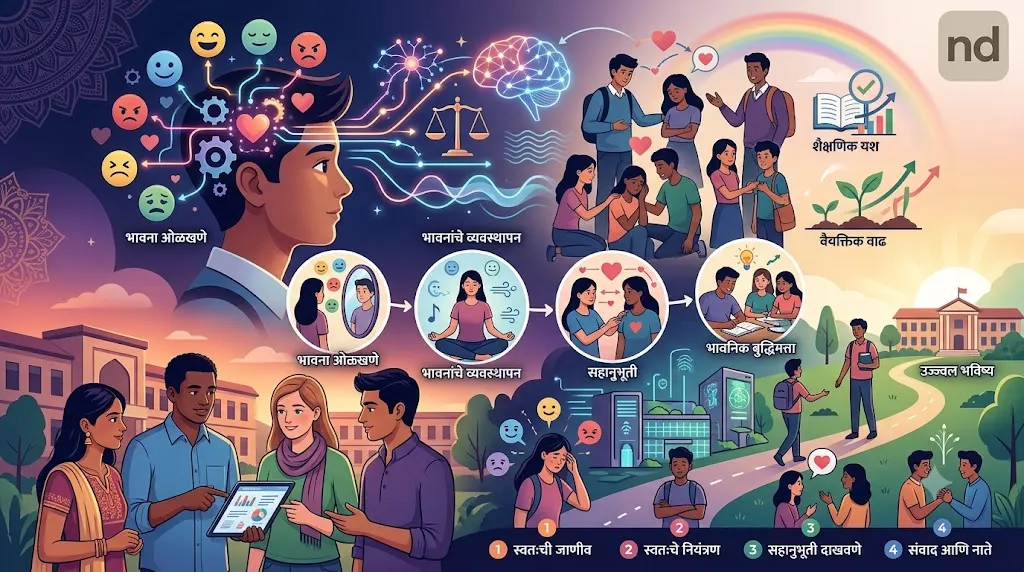
In today's fast-paced and competitive world, a student's life extends far beyond just academics. They are often expected to excel on multiple fronts – achieving good grades, participating in sports and extracurricular activities, maintaining social relationships, and navigating the uncertainties of the future. All these factors can often lead to significant stress and anxiety among students. Sometimes, this stress can become overwhelming, negatively impacting their physical and mental health, as well as their academic performance. But don't worry! Stress is a natural response, and there are many simple yet effective ways to manage it. 'Paripath' brings you this special guide to help you identify, understand, and successfully manage stress.
What is Stress and Why Do Students Experience It?
Stress is essentially your body's and mind's response to a challenging or demanding situation. It arises when we feel overwhelmed, unsupported, or unable to cope with the pressures placed upon us. It's a natural 'fight or flight' mechanism designed to help us respond to threats. However, when this stress becomes chronic or too intense, it can be detrimental to our well-being, leading to various physical and mental health issues.
Students today face a unique set of stressors, often more complex than previous generations:
- Academic Pressure: The constant demand for high grades, heavy homework loads, competitive exams (like NEET, JEE), and the often-unrealistic expectations from parents and teachers can be immense. Studies show that academic pressure is a leading cause of stress among Indian students.
- Future Worries: Concerns about career choices, securing admission to top universities, and the general uncertainty of what lies ahead after schooling.
- Social and Emotional Factors: Peer pressure, navigating complex friendship dynamics, romantic relationships, feelings of loneliness, and the fear of social exclusion. Social media often exacerbates these feelings through constant comparison.
- Family Situations: Domestic conflicts, parental expectations, financial constraints, or significant life changes like illness or relocation within the family.
- Digital World Influence: The pressure to maintain an online presence, social media comparisons, cyberbullying, and the constant need to stay connected, leading to 'FOMO' (Fear Of Missing Out).
- Lack of Sleep: Often due to extended study hours, excessive screen time, or late-night social activities, leading to chronic fatigue.
- Unhealthy Habits: Poor dietary choices (reliance on fast food), lack of physical activity, and insufficient hydration directly impact mental health and resilience to stress.
According to various studies, a significant percentage of students in India, with some reports suggesting upwards of 70%, experience some form of stress. This percentage is often higher among adolescents. This stress can impair concentration, learning ability, memory, and overall happiness and satisfaction. It can also lead to physical symptoms and behavioral changes that affect daily life.
Spotting the Signs: How to Recognize Stress Symptoms
Stress manifests differently in each individual. Its symptoms can be physical, emotional, and behavioral. Recognizing these signs early is the first crucial step towards effective stress management. Being aware of your body's and mind's signals can help you seek help or implement coping strategies sooner.
Physical Symptoms:
- Headaches or Stomach Aches: Especially common before exams or significant events. These are often tension-related.
- Sleep Disturbances: Difficulty falling asleep (insomnia), waking up frequently, or sleeping excessively (hypersomnia). Poor sleep quality impacts overall well-being.
- Fatigue: Feeling constantly tired, drained, or lacking energy, even after what seems like adequate rest.
- Changes in Appetite: A noticeable loss of appetite, skipping meals, or conversely, overeating and craving unhealthy comfort foods.
- Muscle Tension or Aches: Particularly in the neck, shoulders, and lower back, often accompanied by clenching jaw or grinding teeth.
- Frequent Illness: A weakened immune system due to chronic stress can lead to more frequent colds, flu, or other infections.
- Increased Heart Rate or Shortness of Breath: Feeling your heart pound or struggling to breathe deeply during stressful moments.
Emotional Symptoms:
- Irritability: Getting easily annoyed, frustrated, or angry over minor things.
- Anxiety or Restlessness: Constant worry, feeling on edge, an inability to relax, or a sense of impending doom.
- Sadness or Despair: Feeling persistently down, hopeless, or losing interest in activities once enjoyed. If prolonged, this could indicate depression.
- Difficulty Concentrating: Trouble focusing on studies, forgetfulness, or feeling your mind wander frequently.
- Lack of Motivation: A general unwillingness to engage in activities, procrastination, or feeling apathetic towards goals.
- Insecurity: A decrease in self-confidence, self-doubt, or feeling inadequate compared to others.
- Mood Swings: Experiencing rapid shifts between happiness, anger, and sadness.
Behavioral Symptoms:
- Social Withdrawal: Avoiding friends and family, preferring to be alone, or isolating oneself in their room.
- Decline in Academic Performance: Procrastination, incomplete homework, missing deadlines, or a noticeable drop in grades.
- Loss of Interest in Hobbies: No longer enjoying activities that once brought joy and relaxation.
- Increased Conflicts: Arguing more frequently with family members, friends, or teachers.
- Negative Thoughts: Dwelling on worst-case scenarios, pessimistic outlooks, or self-critical thoughts.
- Increased Screen Time: Spending excessive time on mobile phones, social media, TV, or gaming as a form of escape, often at the expense of other responsibilities.
- Substance Use: In some cases, students might turn to unhealthy coping mechanisms like excessive caffeine, alcohol, or even drugs to manage stress, which is extremely dangerous.
"Stress is an inevitable part of life, but how we react to it is within our control. Understanding its signs empowers us to act."
Practical Strategies for Stress Management
Once you've identified stress, there are several simple yet effective methods you can use to manage it. These techniques will help you calm your mind, maintain a positive outlook, and build resilience. With regular practice, these habits can become a natural part of your daily life, leading to greater well-being.
1. Breathing Exercises
When stressed, our breathing often becomes shallow and rapid. Deep breathing exercises send a signal to your body to relax, slow your heart rate, and calm your mind. These exercises are incredibly versatile and can be practiced anywhere, anytime.
- Diaphragmatic Breathing (Belly Breathing):
- Sit or lie down comfortably. Place one hand on your belly and the other on your chest.
- Inhale slowly and deeply through your nose for a count of 4, allowing your belly to rise. Try to keep your chest relatively still. Feel your diaphragm expanding.
- Hold your breath for a count of 3-5 seconds.
- Exhale slowly through your mouth for a count of 6, feeling your belly fall as you gently push out all the air.
- Repeat this 5-10 times. You'll feel a sense of calm almost immediately. This can be done several times a day.
- 4-7-8 Breathing Technique:
- Place the tip of your tongue against the ridge of tissue just behind your upper front teeth, and keep it there throughout the entire breathing process.
- Exhale completely through your mouth, making a gentle "whoosh" sound.
- Close your mouth and inhale quietly through your nose to a mental count of four.
- Hold your breath for a count of seven.
- Exhale completely through your mouth, making the "whoosh" sound again, to a count of eight.
- Repeat the cycle three more times. This technique is particularly effective for calming the nervous system and can significantly aid in falling asleep.
2. The Power of Regular Breaks
Continuous studying or working without breaks can lead to mental fatigue, decreased concentration, and increased stress. Regular breaks are crucial for maintaining productivity and mental well-being. They allow your brain to rest and recharge.
- The Pomodoro Technique: This popular time management method suggests studying intensely for 25 minutes, followed by a 5-minute short break. After every four "Pomodoros" (or study sessions), take a longer break of 15-30 minutes. This structured approach prevents burnout.
- What to do during breaks?
- Stand up, stretch, or walk around a bit. Physical movement improves blood circulation and reduces muscle tension.
- Hydrate yourself by drinking water or have a healthy snack like a fruit.
- Look out a window, observe nature, or simply rest your eyes away from screens.
- Listen to your favorite calming music (but avoid getting completely distracted from your studies).
- Avoid checking social media or engaging in mentally demanding tasks during short breaks, as this can be counterproductive.
3. Building Healthy Habits
Your physical health directly influences your mental well-being. Adopting healthy habits strengthens your body and mind, making you more resilient to stress.
- Balanced Diet: Avoid junk food, processed snacks, and excessive sugary drinks. Opt for fresh fruits, vegetables, whole grains, and protein-rich foods (like lentils, dairy, eggs). Never skip breakfast, as it fuels your brain for the day.
- Adequate Sleep: Aim for 7-9 hours of quality sleep every night. Establish a consistent sleep schedule, even on weekends. Create a relaxing bedtime routine and avoid screens (phones, tablets, TV) for at least an hour before sleep. A dark, quiet, and cool room is ideal for restful sleep.
- Regular Physical Activity: Engage in at least 30 minutes of moderate physical activity daily. This could be walking, running, cycling, yoga, dancing, or playing any sport. Exercise releases 'endorphins' – natural mood boosters – reduces stress hormones, and improves overall mood and energy levels.
4. Effective Time Management
Disorganization and feeling overwhelmed by tasks often exacerbate stress. Efficient time management can significantly reduce academic pressure and give you a sense of control.
- Create a To-Do List: At the beginning of each day or week, list all your tasks and goals. Prioritize them – identify what's important, urgent, and what can wait.
- Break Down Large Tasks: If a big project or study topic feels daunting, break it down into smaller, manageable segments. This makes the task seem less overwhelming and easier to start.
- Avoid Procrastination: Putting off work until the last minute inevitably leads to increased stress, anxiety, and often lower quality work. Try to complete tasks well in advance, giving yourself ample time for review.
5. Hobbies and Recreation
It's vital to make time for activities you enjoy outside of academics. Pursuing hobbies helps refresh your mind, boosts creativity, and provides a healthy outlet for stress.
- Engage in activities like drawing, playing a musical instrument, dancing, reading, gardening, playing sports, or solving puzzles – whatever brings you joy and takes your mind off academic pressures.
- Spend quality time with friends and family. Social connection is a powerful stress reliever. Talk, laugh, and share experiences.
- Connect with nature – take a walk in a park, spend time in a garden, or simply observe the world outside your window. Nature has a calming effect on the mind.
6. Cultivating a Positive Mindset
Your thoughts have a profound impact on your emotions and your ability to cope with stress. A positive mindset can transform challenges into opportunities.
- Practice Gratitude: Each day, write down 3-5 things you are grateful for. This simple practice can shift your focus from negative worries to positive aspects of your life.
- Challenge Negative Thoughts: When negative thoughts arise, question their validity. Are they truly accurate? Replace them with more realistic and positive affirmations. Instead of "I can't do this," try "I will try my best."
- Practice Self-Compassion: Understand that it's okay to make mistakes. Don't be too hard on yourself. Treat yourself with the same kindness and understanding you would offer a friend.
- Surround Yourself with Positivity: Spend time with people who uplift you and have a positive outlook on life.
7. Digital Well-being
Excessive screen time and constant exposure to social media can contribute significantly to stress, anxiety, sleep problems, and reduced concentration. Taking regular breaks from digital devices is essential.
- Avoid using your phone or other screens for at least an hour before bedtime. Keep your bedroom a screen-free zone to promote better sleep.
- Designate specific "no-screen times" during the day or consider a "digital detox" day once a week. Use this time for other hobbies or activities.
- Be mindful of your social media consumption and avoid comparing yourself to others online. Remember that social media often presents an unrealistic highlight reel of lives.
When to Reach Out: Seeking Support
It's normal to experience stress, but if it becomes prolonged, starts to affect your daily life significantly, or if you find it difficult to cope, seeking help is incredibly important. Asking for help is not a sign of weakness; it's a sign of strength, self-awareness, and a commitment to your own well-being.
Who Can You Talk To?
- Parents or Family Members: Speak openly and honestly with your parents or other trusted adults in your family. They are often your strongest support system and can offer understanding, guidance, and practical help.
- Teachers or Mentors: Approach a favorite teacher, your class teacher, or a mentor at school. They are often well-versed in student challenges and can provide assistance, academic adjustments, or direct you to appropriate resources within the school.
- School Counselor: Many schools have professional counselors. They offer a confidential and safe space to discuss your concerns without judgment. They can teach you effective stress management techniques, provide emotional support, and help you navigate difficult situations.
- Trusted Friends: Sometimes, simply talking to a friend who listens can lighten your burden and make you feel less alone. However, remember that friends are for listening and emotional support, not for professional advice.
- Professional Help: If your stress is severe, persistent, or accompanied by symptoms like constant sadness, persistent sleep problems, significant changes in appetite, or thoughts of self-harm, it's crucial to seek help from a psychologist, therapist, or psychiatrist. They can provide appropriate diagnosis, treatment, and counseling tailored to your needs. In India, several mental health helplines are available where you can seek anonymous support.
You are not alone. Many students go through similar experiences. Don't feel ashamed or embarrassed to ask for help. Taking care of your mental health is as vital as your academic success and overall happiness. It's an investment in your future.
Did You Know?
- Globally, approximately one in five students experiences a mental health condition, yet many do not seek help.
- Laughter triggers the release of endorphins, natural feel-good chemicals in your brain, which help reduce stress and improve mood.
- Spending just 15 minutes in nature (e.g., a park or garden) can significantly lower stress levels, improve mood, and boost concentration.
- Listening to music, especially calming tunes, can lower heart rate, blood pressure, and cortisol levels (the stress hormone), helping to relax the mind.
- Journaling your thoughts and feelings for just 10-15 minutes a day can reduce stress, improve emotional processing, and increase self-awareness.
Conclusion
Stress is a common and often inevitable part of student life, but it's entirely manageable with the right strategies and support. By learning to identify its symptoms and implementing simple yet powerful techniques like breathing exercises, taking regular breaks, maintaining healthy habits (balanced diet, adequate sleep, regular exercise), effective time management, and pursuing hobbies, you can cultivate a calm and stable mind. Most importantly, if you ever find it challenging to cope with stress, do not hesitate to ask for help. Your parents, teachers, school counselors, or mental health professionals are there to support you. Remember, your mental well-being is just as important as your academic achievements. Prioritize self-care, stay positive, and face every challenge with confidence! Paripath is always here to support your journey.