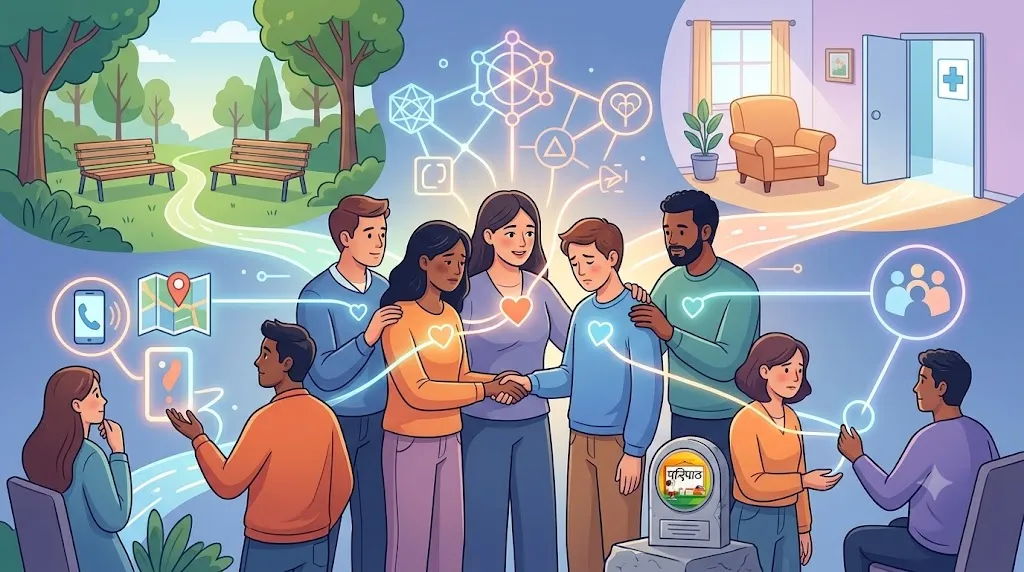
Today, September 10th, marks World Suicide Prevention Day. It’s a day not just to remember those we’ve lost, but to reflect on the immense importance of mental health and what each of us can do to prevent suicide. Through 'Paripath', we delve into this crucial topic: how to care for our mental well-being and support our friends and family.
School life often brings a mix of excitement and challenges – academic pressure, exams, friendships, and future anxieties. Sometimes, these pressures can escalate, leaving students feeling isolated, overwhelmed, or confused. During such times, having support and proper guidance is incredibly important. Let’s explore how we can journey together in nurturing mental health.
Understanding Mental Health: More Than Just Feeling Good
We often know how to care for our physical health – regular exercise, nutritious food, and enough sleep. But what exactly is mental health? And is it as important? Absolutely! Mental health isn't just about the absence of mental illness; it's about a state of well-being where we can cope with life's stresses, enjoy relationships, work productively, and realize our full potential.
Imagine if you had a fever or a hurting hand; you’d likely visit a doctor immediately. Yet, when we feel persistent sadness, anxiety, or struggle with sleep due to stress, we often ignore it. This isn't right. Mental health is deeply interconnected with our physical health. A troubled mind can affect our body, and vice versa.
According to the World Health Organization (WHO), health is a state of complete physical, mental, and social well-being and not merely the absence of disease or infirmity. This underscores why mental health deserves as much attention as our physical health.
Spotting the Signs: In Yourself and Your Peers
Recognizing the signs of mental health struggles is the first and most crucial step. These signs can manifest in ourselves or in our friends and family. Early recognition can lead to timely support.
Signs to look for in yourself:
- Persistent Sadness or Hopelessness: Feeling down, depressed, or empty for more than two weeks, losing interest in activities you once enjoyed.
- Changes in Sleep Patterns: Sleeping excessively or experiencing severe insomnia.
- Changes in Eating Habits: Overeating or loss of appetite, leading to sudden weight changes.
- Lack of Energy: Constant fatigue, feeling unmotivated for any task.
- Difficulty Concentrating: Struggling to focus on studies or other tasks, forgetfulness.
- Withdrawal and Social Isolation: Pulling away from friends and family, wanting to be alone.
- Anxiety and Fear: Persistent worries, feeling scared, getting stressed over minor things.
- Irritability and Anger: Sudden outbursts of anger, easily annoyed, arguments over small matters.
- Negative Thoughts: Constant negative thoughts about oneself or the future, thoughts of self-harm or suicide.
- Unexplained Physical Aches: Frequent headaches, stomach aches, or other physical pains without a clear medical cause.
Signs to look for in friends or family members:
If you notice any of the above signs in your friends or family, they might need help. Sometimes, they may not express it directly, so paying attention to their behavior is key.
- Decline in Academic Performance: Lack of focus in studies, absenteeism, drop in grades.
- Social Withdrawal: Removing themselves from social situations they once actively participated in.
- Sudden Personality Changes: A quiet person becoming aggressive, or an usually energetic person becoming withdrawn.
- Risky Behavior: Engaging in self-harm, substance abuse.
- Talking About Death or Suicide: Sometimes they might talk about suicide directly or indirectly. Never dismiss such talk.
According to WHO statistics, suicide is the fourth leading cause of death among 15-29-year-olds globally. This data highlights the severity of the issue and the urgent need for intervention and support.
Lending a Hand: Practical Ways to Offer Support
If you suspect a friend or family member is struggling with their mental health, there are many things you can do to help. Your small gestures can make a huge difference.
1. Be a Listener (Active Listening):
Sometimes, people just need someone to listen. Listen patiently and attentively to what they are feeling. Encourage them to talk, but avoid offering solutions or advice immediately. Just try to understand their emotions.
2. Show Empathy:
Try to understand their feelings. Phrases like, 'I can imagine how difficult this must be for you,' or 'You're not alone,' can be very comforting. Don't make them feel ashamed or wrong for their emotions.
3. Encourage Open Communication:
Talk to them openly. Ask them, "Are you okay?" or "Is something bothering you?" If they don't want to talk, don't force them. But assure them that you are always available for them.
4. Spend Time Together:
Don't let them feel isolated. Go for a walk, watch a movie, play a game, or just chat. Your company can provide immense comfort and support.
5. Encourage Positive Changes:
Encourage them to engage in physical exercise, eat nutritious food, and get enough sleep. These are crucial for mental well-being. Start with small, manageable steps.
6. Encourage Professional Help:
If the situation seems serious, encourage them to seek help from a counselor, psychiatrist, or doctor. Explain that there's no shame in it, and it's a normal step towards getting better. Offer to accompany them if needed.
When to Seek Professional Help: Breaking the Stigma
While the support of friends and family is vital for mental health issues, sometimes professional help is necessary. Seeking professional help is not a sign of weakness; it’s a crucial step towards taking care of your well-being.
When is professional help needed?
- If the signs mentioned above persist for more than two weeks and their intensity increases.
- If the person's daily life (studies, work, relationships) is severely affected.
- If there are frequent thoughts of suicide or a risk of self-harm. In such situations, immediate help is crucial.
- If the person is experiencing severe problems with sleep, appetite, or concentration.
- If the person is having severe anxiety, fear, or panic attacks.
Where to find help?
- School Counselor: Many schools have counselors who guide students on mental health issues. Talk to them openly.
- Psychiatrist: These doctors treat mental illnesses with medication.
- Psychologist / Counselor: They help with mental health issues through talk therapy and counseling.
- Family Doctor: Talk to your family doctor. They can refer you to appropriate specialists.
- Helplines: Many mental health helplines are available in India where you can talk anonymously and get help. (e.g., Kiran Helpline - 1800-599-0019)
Remember, seeking professional help doesn't mean you are weak; it means you are a responsible individual caring for your health. Just as we seek treatment for physical ailments, it's essential to seek treatment for mental health conditions.
Building a Community of Care
Creating a supportive community is paramount to reducing mental health problems and preventing suicide. When everyone supports each other, no one feels alone.
Role of Schools:
- Schools should organize mental health awareness programs for students.
- Counseling services should be easily accessible, and students should be encouraged to use them.
- Teachers should be trained to recognize the signs of mental health issues.
Role of Family:
- Foster an open communication environment at home where children can express their feelings freely.
- Parents should pay attention to their children's problems and offer support.
- Discuss mental health issues within the family to reduce fear or shame among children.
Role of Friends:
- Friends should support each other and listen to one another.
- If a friend needs help, take the initiative to connect them with appropriate support.
- Respect each other and never mock anyone's feelings.
On this World Suicide Prevention Day, let us all pledge to care for the mental well-being of those around us. Let's ensure no one feels isolated and always extend a helping hand.
Did You Know?
- World Suicide Prevention Day (WSPD) is observed annually on 10 September to provide worldwide commitment and action to prevent suicides.
- The Large Hadron Collider (LHC), the world's largest and most powerful particle accelerator, was first powered up on September 10, 2008, marking a significant milestone in scientific history.
- Switzerland joined the United Nations on September 10, 2002, a significant shift in its long tradition of neutrality.
- Renowned Indian author Ranjit Desai, famous for his historical novels, passed away on September 10, 1992.
- Tennis legend Steffi Graf achieved the Calendar Grand Slam (winning all four major tournaments in a single year) on September 10, 1988, making history in the world of sports.