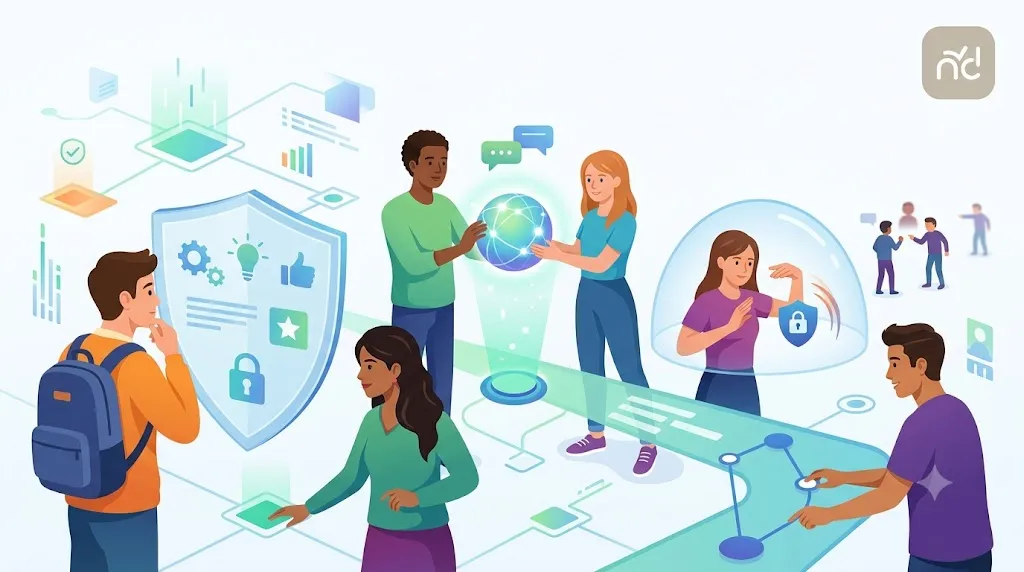
Today's world is a world of digital revolution. Each one of us, from young children to adults, is connected through the internet and smartphones. We use digital tools for school, play, entertainment, and gathering information. The global launch of platforms like Twitter on July 15, 2006, transformed the way the world communicates. Today, almost two decades later, we are experiencing the profound impact of these changes. But navigating this digital world safely and responsibly is paramount. Just as we follow traffic rules to walk safely on the road, it is essential to adopt certain rules and habits to stay safe in the online world. This is what we call 'Cyber Safety' and 'Digital Citizenship'.
Paripath brings you this comprehensive guide on cyber safety and digital citizenship for students. In this article, we will discuss in detail how to identify online threats, protect yourself from them, and become a responsible digital citizen.
What is Cyber Safety and Why is it Important?
Cyber safety means protecting yourself in the online world, on the internet, and while using digital devices. This includes safeguarding your personal information, photos, videos, bank details (of your parents), and other sensitive data. Imagine you keep all your valuable belongings in a secure locker at home, locked away. Cyber safety is like keeping these valuable items of your digital life safe.
In today's age, cyber safety is extremely important because:
- Protection of Personal Information: Information such as your name, address, date of birth, and school name can easily become available online. Malicious individuals might use this information to harass you or commit fraud.
- Prevention of Fraud: Online scams are a major problem. Hackers or cybercriminals use various tricks to steal your money or important information.
- Impact on Mental Health: Cyberbullying or online harassment can have severe consequences on students' mental health. It can lead to a loss of self-confidence and even depression.
- Protection from Inappropriate Content: The internet often contains inappropriate or harmful content that may not be suitable for your age. Cyber safety helps you stay away from such content.
What do statistics say? According to a study, over 60% of Indian students encounter online threats, and many of them experience cyberbullying. These statistics underscore the importance of cyber safety.
Identifying Online Threats and Protecting Yourself
There are many types of threats in the digital world. Identifying them and protecting yourself is crucial. Let's look at some common threats and ways to avoid them.
Phishing
Phishing refers to fake emails, messages, or websites sent to trick you. These messages often appear to come from banks, schools, or large companies. They ask you to click on a link or provide your personal information (such as passwords, PINs). Once you provide that information, cybercriminals misuse it.
How to identify phishing?
- Suspicious Email Address: Check the sender's email address. Even if it looks official, there might be a minor change (e.g., bankofindia.xyz instead of bankofindia.co).
- Grammatical Errors: Many phishing emails contain grammatical and spelling mistakes.
- Urgent Call to Action: You are asked to do something immediately, such as 'your account will be closed', 'you have won a prize', etc.
- Suspicious Links: Before clicking on a link, hover your mouse cursor over it (without clicking) to see where it leads. It might not be the official website.
- Request for Personal Information: A bank or any official institution will never ask for your password or PIN via email or message.
Cyberbullying
Cyberbullying means harassing, threatening, embarrassing, or humiliating someone using the internet, mobile phones, or other digital devices. This includes sending insulting messages, morphing and uploading photos or videos, spreading rumors, or excluding someone from an online group.
Consequences of Cyberbullying: Cyberbullying has very serious effects on students' mental health. It can make them feel scared, ashamed, depressed, and reduce their desire to go to school. Often, cyberbullying shatters self-confidence.
How to protect yourself from cyberbullying?
- Stay Calm: Do not react immediately to cyberbullying. Handle the situation calmly.
- Gather Evidence: Take screenshots of insulting messages, comments, or posts. This evidence will help you later.
- Block: Block the person causing trouble on social media or messaging apps.
- Tell an Adult: Most importantly, tell your parents, teachers, or an elder about the incident. They will be able to help you appropriately.
- Check Privacy Settings: Review your social media account privacy settings and set them to 'Friends Only' or 'Private'.
“In the digital world, your words gain wings. So think before you speak, because once uttered, words cannot be taken back.”
Misinformation and Fake News
The internet is flooded with information, but much of it can be incorrect or false (fake news). This misinformation can spread misunderstandings, create divisions in society, and at times, even be dangerous, e.g., false health information.
How to identify misinformation?
- Check the Source: Verify where the information came from. Is it from a reputable news organization or an unknown website?
- Headline and Photos: Often, fake news headlines are sensationalized, and photos may be edited.
- Cross-verify with Other Sources: Check if the same news is available on other reliable news organizations or websites.
- Check the Date: Old news can be spread as new.
- Control Emotions: Fake news often triggers our emotions (anger, fear, joy). In such cases, think more carefully.
Laying the Foundation for Responsible Digital Citizenship
Digital citizenship means behaving responsibly, ethically, and safely in the online world. Just as you act as a good citizen in school, at home, or in society, you must also be a good and responsible citizen in the online world. This is not only for your own protection but also for the safety of others and for fostering a positive online community environment.
Online Etiquette (Netiquette)
Online etiquette means interacting with others respectfully and courteously on the internet. Think about how what you say or post online will affect others.
- Speak Respectfully: Speak as respectfully online as you would in person. Do not use abusive or offensive language.
- Think Before You Post: Before posting anything, consider whether it is appropriate. Will it hurt anyone? Remember that it is public and will remain there permanently.
- Do Not Share Private Information: Do not publicly share your or others' private information (phone numbers, addresses).
- Respect Others' Opinions: Even if you don't agree with someone's opinion, respect it. Discuss politely even if there are disagreements.
Privacy and Data Protection
Maintaining your online privacy is extremely important. Keep track of which websites you visit, which apps you use, and what information you share.
- Keep Passwords Secure: Use strong and unique passwords for each account (using letters, numbers, and symbols). Do not share them with anyone and change them periodically.
- Use Privacy Settings: Use the privacy settings available in social media and other apps to control who can see your information.
- Do Not Provide Unnecessary Information: When an app or website asks for your information, consider whether it is truly necessary.
- Be Careful When Using Public Wi-Fi: Avoid using sensitive information (bank details, passwords) when using free Wi-Fi in public places (e.g., malls, railway stations) as it can be insecure.
Positive Online Presence
How you appear online can impact your future. Your online actions create your 'Digital Footprint', which lasts permanently.
- Share Good Things: Share topics of your interest, educational information, inspiring thoughts, or positive experiences.
- Help Others: Answer questions and help others in online forums or groups.
- Use for Learning: Use the internet to learn new things, develop skills, and expand your knowledge.
- Protect Yourself: Remember that what you post or share online can affect your future career or opportunities.
Practical Cyber Safety Tips for Students
By using these tips in your daily online life, you can stay safer:
- Use Strong Passwords: Have a different and strong password for each account. It should include letters (upper-lower case), numbers, and symbols. E.g.,
PaR!P@th2026. - Enable Two-Factor Authentication (2FA): Use 2FA wherever possible. This ensures that even if someone knows your password, they cannot log into your account without the code sent to your phone or email.
- Keep Software Updated: Always keep your phone, computer, and apps updated. Updates often include new security features that protect you from threats.
- Do Not Click on Unknown Links: Avoid clicking on unknown links received via email, messages, or social media.
- Be Cautious on Public Wi-Fi: Avoid using sensitive information (bank details, passwords) when using public Wi-Fi.
- Check Your Privacy Settings: Regularly review and adjust the privacy settings of your social media and other online accounts to suit your comfort level.
- Think Before You Share: Think twice before sharing any information, photos, or videos online. It is difficult to completely remove something once it has been shared on the internet.
- Talk to Parents: If you find anything strange or scary online, immediately talk to your parents or a trusted adult.
- Control Screen Time: Limit your online time and ensure you have enough time for offline games, studies, and spending time with family.
- Use Antivirus and Firewall: Install good antivirus software and a firewall on your computer and keep them updated.
Your Role as a Cyber Citizen
As a responsible cyber citizen, your role is not limited to protecting yourself; you can also help others. Educate your friends and younger siblings about cyber safety. If you see someone falling victim to cyberbullying, help them or inform an adult. You can take the initiative to promote positivity and respect in the online world.
Paripath always strives to guide students on the path of knowledge and good values. Cyber safety and digital citizenship are integral parts of today's education. With these skills, you will not only stay safe online but also develop into a responsible, thoughtful, and capable individual.
Conclusion
The digital age is a blend of opportunities and challenges. The internet offers immense opportunities to connect with the world, learn, and entertain ourselves, but it also brings numerous threats. Phishing, cyberbullying, and misinformation are some of the primary online dangers that students must be aware of. Identifying these threats and protecting oneself from them is crucial. Using strong passwords, maintaining privacy settings, not clicking on unknown links, and reporting suspicious activities to adults are fundamental rules of cyber safety. Simultaneously, as a responsible digital citizen, it is essential to follow online etiquette, respect others, and build a positive online presence. Remember that your digital footprint impacts your future. By adhering to these guidelines, you can have a safe, positive, and enriching online experience and contribute as a responsible citizen in the digital world.
Did You Know?
- On July 15, 2006, Twitter, the social media platform, was globally launched, changing the way the world communicates.
- The world's first email was sent by Ray Tomlinson in 1971.
- It is estimated that cybercriminals defrauded individuals and organizations of approximately $8 trillion globally in 2023.
- A 'Digital Footprint' is the trail of data you leave behind from your online activities. It includes the websites you visit, photos you upload, and messages you send.
- The 'Kumbakonam school fire' in India (July 16, 2004) was a tragic event that highlighted the critical importance of safety measures in physical spaces. Similarly, online safety is paramount in the digital space.