Introduction: The Phenomenon Born in Rosario
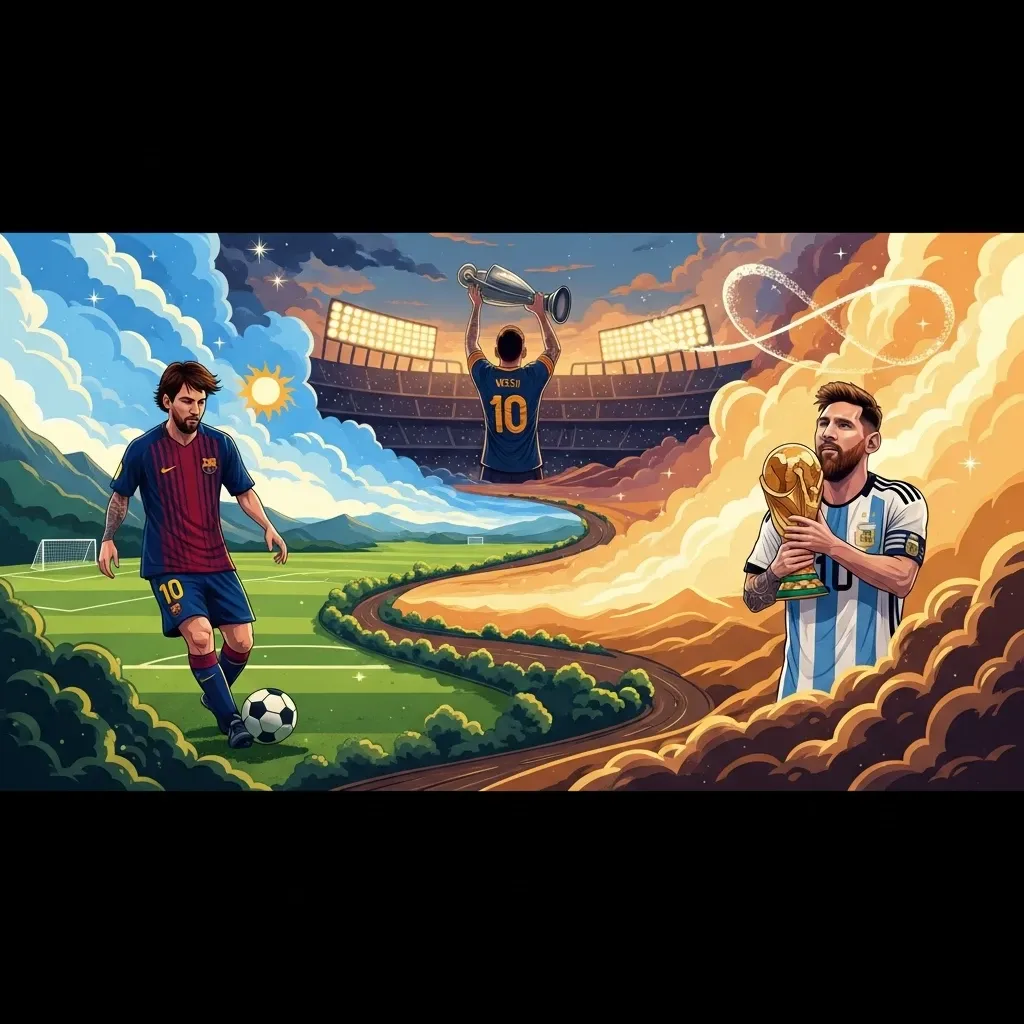
Every year on June 24th, the world of sports pauses to celebrate the birth of a man who didn't just play football but redefined its very boundaries. Lionel Andres Messi, often referred to as 'La Pulga' (The Flea), was born in 1987 in Rosario, Argentina. For students and teachers alike, Messi’s life is not merely a sports chronicle; it is a profound lesson in resilience, humility, and the pursuit of excellence.
The Early Struggles: A Test of Character
Messi’s story begins in the humble neighborhoods of Rosario. At the age of four, he joined the local club Grandoli, coached by his father, but his most significant early influence was his grandmother, Celia, who accompanied him to training and matches. This is why he looks up and points to the sky after every goal—a tribute to her.
The Growth Hormone Deficiency
At age 11, Messi was diagnosed with a growth hormone deficiency. His local club, Newell's Old Boys, couldn't afford the $900-a-month treatment. This period was crucial in shaping his grit. While other kids were merely playing, Messi was injecting himself with hormones every night, facing the reality that his dream might end before it began.
The Golden Era at FC Barcelona
Messi's transition to Spain was difficult but transformative. He joined the famous La Masia academy, where he honed his skills alongside future legends like Xavi and Iniesta. His debut in 2004 marked the beginning of a dominance never seen before in European football.
| Category | Details/Statistics |
|---|---|
| Total Goals for Barcelona | 672 |
| Total Assists for Barcelona | 305 |
| La Liga Titles | 10 |
| Champions League Titles | 4 |
| Ballon d'Or Awards (Total) | 8 |
Under managers like Pep Guardiola, Messi evolved from a traditional winger to a 'False 9', a tactical innovation that revolutionized modern football. His ability to dribble through entire defenses became his trademark, but his vision and passing accuracy were equally sublime.
International Redemption: The Road to Qatar
For years, Messi faced harsh criticism in Argentina for not winning a major trophy with the national team. He suffered three consecutive losses in major finals (World Cup 2014, Copa America 2015, 2016). In 2016, overwhelmed by the pressure, he briefly retired.
The 2022 World Cup was the pinnacle of his career. At 35, he scored 7 goals and provided 3 assists, leading a young Argentine squad to victory against France in what is considered the greatest final in history.
Educational Values: Lessons for Students
Teachers can use Messi’s life to teach several key values:
- Consistency: Maintaining peak performance for over 20 years.
- Humility: Despite his fame, Messi remains a family-oriented person who avoids unnecessary controversies.
- Teamwork: His record-breaking number of assists shows he values the team's success over personal glory.
- Overcoming Adversity: Dealing with health issues and national-level criticism.
Frequently Asked Questions
Conclusion: The Legacy Lives On
Lionel Messi’s birthday is more than a celebration of a footballer; it is a celebration of the human spirit. He showed that a boy from Rosario with a medical condition could conquer the world through sheer talent and unwavering dedication. As he continues his journey in MLS with Inter Miami, his legacy remains etched in the hearts of millions of students and fans globally.