Dear Students and Educators,
Today, September 23rd, is a day of diverse significance. While we observe auspicious festivals like Waman Jayanti and Shravan Dwadashi, and remember historical events like the launch of the Ayushman Bharat Yojana, and the passing of eminent personalities like Dr. Raja Ramanna and Madhavrao Bagal, it is also a day dedicated to a crucial global cause: the International Day of Sign Languages.
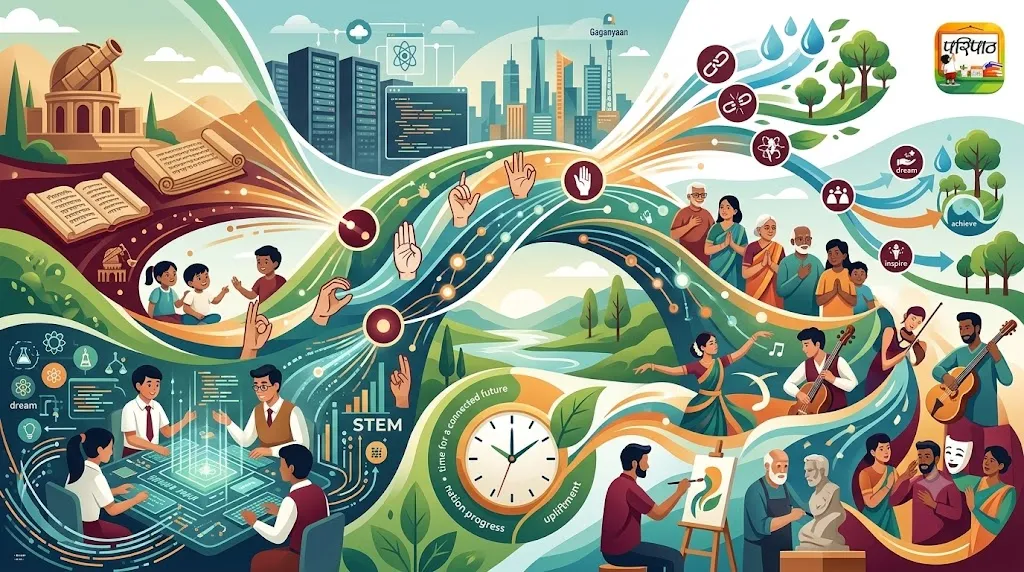
Have you ever paused to think about how we communicate? Through words, sentences, and sounds. But what about those who cannot hear? How do they connect with the world and express themselves? For them, Sign Language is a profound blessing. This day shines a light on the immense value of sign languages, their vital role for the Deaf and hard-of-hearing community, and how they foster inclusivity and celebrate diverse forms of communication. Let's delve deeper into this unique language and the world it opens up.
What Exactly is Sign Language?
Many people mistakenly believe that sign language is merely a collection of gestures or hand signals. However, this is far from the truth. Sign language is a fully developed, natural language that uses visual-spatial means—involving handshapes, movements, facial expressions, and body postures—to convey meaning, rather than sound. Just as every country or region has its own spoken language (e.g., Marathi, Hindi, English), there are distinct sign languages across the globe. For instance, American Sign Language (ASL), British Sign Language (BSL), and Indian Sign Language (ISL) are all unique and independent languages.
Sign languages possess their own intricate grammatical structures, syntax, and expressive capabilities. They are not simply a literal translation of spoken words into gestures, but rather a rich and complex system capable of conveying nuanced thoughts, emotions, and abstract concepts. It is a standalone and vibrant medium of communication, not merely a visual representation of an auditory language.
Key Characteristics of Sign Language:
- Visual-Spatial: It relies on sight and the use of space for communication.
- Grammar: Sign languages have their own rules and grammar, which can differ significantly from spoken languages.
- Facial Expressions: Facial expressions are an integral part of sign language, adding meaning, tone, and emotion to signs.
- Body Movements: Beyond hand and finger movements, the use of the torso and overall body posture also contributes to meaning.
The Profound Importance of Sign Language: Bridging Gaps
Sign language is more than just a communication tool; it is a cornerstone for education, employment, healthcare access, and social inclusion for Deaf individuals. Its significance is evident on multiple levels:
1. Access to Education and Knowledge:
Sign language enables Deaf students to access education in schools and universities. When teachers are fluent in sign language or interpreters are present, these students can acquire knowledge just like their hearing peers. This opens up opportunities for them to connect with information, science, arts, and culture. Without it, securing good jobs and leading independent lives becomes incredibly challenging.
2. Social Inclusion and Integration:
Sign language allows Deaf individuals to participate fully in society. They can form friendships, communicate with family members, and engage in social events. When Deaf people can communicate effectively in their own language, they feel less isolated and become an integral part of the community.
3. Mental Well-being and Self-Esteem:
Effective communication is a fundamental human need. When an individual cannot communicate effectively, it can lead to frustration, anxiety, and loneliness. Sign language empowers Deaf individuals to express their thoughts, feelings, and needs, thereby boosting their self-esteem and improving their mental health.
4. Right to Information and Safety:
In emergencies, during medical consultations, or in legal proceedings, the presence of a sign language interpreter is crucial. This ensures that Deaf individuals receive accurate information and their rights are protected. For example, they can understand what doctors are saying, what legal rules apply, or what emergency instructions mean, all in their own language.
5. Cultural Identity and Heritage:
Like any language, sign language has its own rich culture and identity. Through sign language, stories, poems, jokes, and traditions are passed down from one generation to the next. It unites the Deaf community and preserves their unique cultural heritage, fostering a strong sense of belonging.
“Sign language is not just a language; it is an integral part of the identity, culture, and existence of Deaf individuals.”
The Journey of International Day of Sign Languages
The International Day of Sign Languages is celebrated annually on September 23rd. This date was chosen to commemorate the establishment of the World Federation of the Deaf (WFD) in 1951, an organization that advocates for the human rights of Deaf people globally.
The United Nations officially proclaimed September 23rd as the International Day of Sign Languages in 2017. The primary goal was to raise awareness about sign languages and to protect the human rights of Deaf individuals. The UN's Convention on the Rights of Persons with Disabilities (CRPD) recognizes and promotes the use of sign languages, ensuring equal opportunities and rights for Deaf people worldwide.
How Students Can Make a Difference
Each one of us can contribute to this journey of inclusivity. As students, you can make a significant impact by:
- Spreading Awareness: Educate your friends and family about sign language and its importance. It's not just a language for the Deaf; it's a vital part of human communication.
- Learning Basic Signs: Try to learn a few basic signs like 'hello,' 'thank you,' or 'how are you?' This small effort shows respect and a willingness to connect, which can bring immense joy to a Deaf person. Many online resources and apps are available to help you start.
- Being Empathetic and Patient: When communicating with Deaf individuals, be patient. Maintain eye contact, speak clearly (if they read lips), and use clear gestures. Try to understand their needs and perspectives.
- Promoting Inclusivity: Inquire if your school or local community has sign language interpreters available for Deaf students. If not, advocate for their inclusion.
- Participating in Cultural Events: Attend art or cultural programs that feature sign language performances. This will help you appreciate the richness and beauty of sign languages.
Did You Know?
- The earliest documented evidence of a sign language dates back to 17th-century Spain.
- Sign language users often process information faster than spoken language users because they can convey multiple concepts and emotions simultaneously.
- Not just Deaf individuals, but also hearing people use sign languages in specific contexts, such as fishermen or miners where verbal communication is difficult or impossible.
- Research suggests that teaching babies basic sign language before they can speak can help them express their needs and emotions, potentially accelerating their linguistic development.
- Indian Sign Language (ISL) comprises over 8,000 words and has evolved with its own distinct grammatical structure.
Conclusion
The International Day of Sign Languages is not merely a celebration for a specific community; it is a celebration of human diversity and the freedom of communication. By recognizing and respecting sign languages, we can build a society where every individual has equal opportunities and the freedom to express their thoughts and feelings. Empowering Deaf individuals is not just for their benefit, but for the enrichment of our entire society. Because when we build bridges of communication, we connect not just languages, but hearts and cultures.
Let us pledge today to learn more about sign languages and strive to create a more inclusive and empathetic environment for Deaf individuals around us. Your small effort can make a monumental difference!