Hello students and esteemed educators!
Today, July 10th, 2026, marks a day of various significant events. It is Yogini Ekadashi, a day for spiritual introspection. In the realm of science, on this very day, ISRO successfully launched five British satellites, symbolizing India's progress in space exploration. In arts and culture, we remember the legendary actress Zohra Sehgal, as well as Dr. Bhakti Yadav from the medical field and naturalist Humayun Abdulali. For the Indian Navy, this day was also notable as INS Savitri was commissioned into service.
Amidst all these important occurrences, today is also dedicated to a sector that is critically important for India's food security, economic growth, and environmental well-being – National Fish Farmers Day.
Honoring Our Aqua-Farmers: National Fish Farmers Day on July 10th
National Fish Farmers Day is celebrated every year on July 10th in India. This day commemorates the pioneering work of two eminent scientists, Dr. Hiralal Chaudhari and Dr. K. H. Alikunhi, who successfully demonstrated induced breeding of Indian major carps using hypophysation technology in Angul, Odisha, in 1957. This breakthrough revolutionized fish farming and laid the foundation for India's 'Blue Revolution'. It is a day to acknowledge and honor the tireless efforts and contributions of our nation's 'aqua-farmers'.
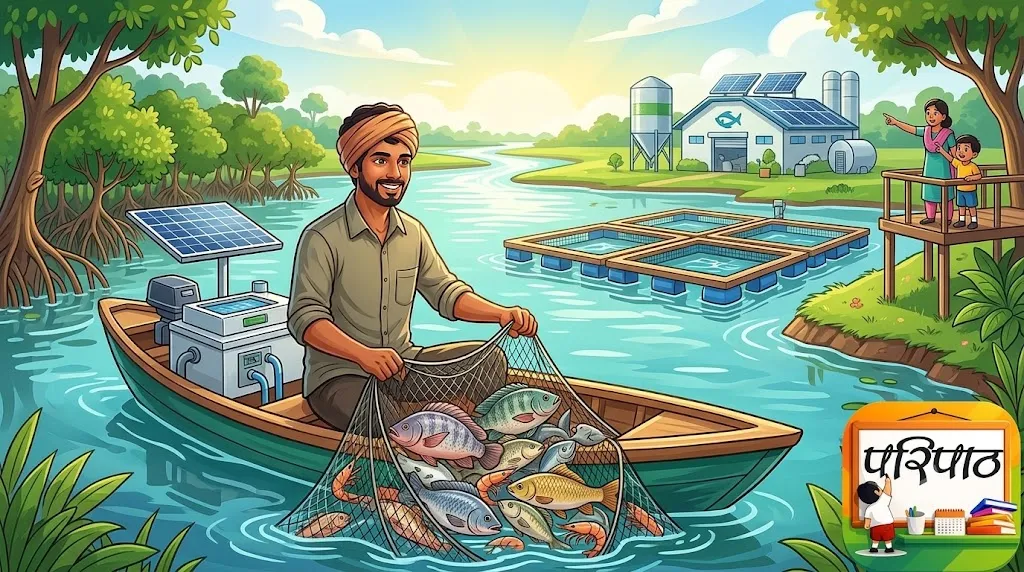
Aquaculture, also known as fish farming, is much more than just catching fish. It involves the controlled cultivation and harvesting of aquatic organisms like fish, shrimp, crabs, and other aquatic animals. With a rapidly growing population, aquaculture has become a crucial sector for India, ensuring a steady supply of nutritious food and generating employment in rural areas.
Aquaculture: A Pillar of India's Food Security
India stands as the world's second-largest fish producer, contributing approximately 7.58% to global fish production. Fish is an excellent source of protein, Omega-3 fatty acids, essential vitamins (like D and B2), and minerals (such as calcium, phosphorus, iron, zinc, and iodine). These nutrients are vital for human health, especially for growing children, supporting brain development, and maintaining cardiovascular health.
India's population is expanding rapidly, and providing nutritious food for this burgeoning population is a significant challenge. In this scenario, aquaculture has emerged as a sustainable and efficient solution. Compared to traditional agriculture, aquaculture has the potential to produce more protein from less land and fewer resources. For instance, while producing 1 kg of chicken requires about 2.5 kg of feed, 1 kg of fish requires only about 1.2 kg of feed, highlighting the efficiency of fish as a food source.
Growth of Aquaculture in India
- Total Production: India's total fish production (inland and marine) is currently around 16.24 million metric tons (2021-22).
- Importance of Inland Aquaculture: Inland aquaculture accounts for over 70% of India's total fish production, relying on resources such as ponds, rivers, reservoirs, and brackish water.
- Exports: In 2022-23, India exported marine products worth 8.09 billion USD, generating substantial foreign exchange for the country.
An Engine for Economic Growth: Livelihoods and Exports
Aquaculture is not only vital for food security but also plays a pivotal role in the economic development of rural areas. It is an industry that directly and indirectly employs millions of people across various segments.
- Job Creation: The fisheries sector provides direct or indirect livelihoods to over 28 million people, including small-scale farmers, laborers, and a significant number of women.
- Women's Participation: Women's involvement in the fisheries value chain (e.g., fish vending, processing) is substantial, contributing to their economic empowerment and independence in rural communities.
- Exports and Foreign Exchange: Indian marine products, particularly shrimp, are in high demand in international markets. This generates significant foreign exchange earnings, which boost the national economy.
Aquaculture offers farmers an additional source of income beyond traditional agriculture, improving their living standards and helping to alleviate rural poverty.
Science and Technology in Aquaculture: Modern Techniques
Modern aquaculture has evolved significantly beyond simply stocking fish in a pond. Advancements in science and technology have transformed the industry, helping to increase fish production, control diseases, and optimize water usage.
Key Modern Aquaculture Technologies:
- Recirculating Aquaculture Systems (RAS): In RAS, water is continuously filtered and reused, leading to significant water savings. This system allows for high-density fish farming in a smaller footprint, making it ideal for urban areas or regions with limited water availability.
- Biofloc Technology: This technique uses microorganisms (bacteria, algae) to manage water quality. These microbes reduce toxic compounds like ammonia from fish waste and also serve as a supplementary food source for the fish. Biofloc systems conserve water and provide a natural, nutrient-rich environment for fish growth.
- Cage Culture: Fish are reared in large enclosures or cages placed in natural water bodies like lakes, reservoirs, or the sea. This method allows for large-scale fish production while utilizing existing water resources efficiently.
- Aquaponics: This integrated system combines aquaculture with hydroponics (growing plants without soil). Fish waste provides nutrients for the plants, which in turn filter the water for the fish, creating a symbiotic and sustainable ecosystem.
These technologies boost fish production, minimize disease outbreaks, and prevent water wastage, making aquaculture more efficient and sustainable.
“Aquaculture is not just about producing food; it is a powerful vehicle for rural development, economic empowerment, and environmental responsibility.”
- Select appropriate fish species that are well-suited to the local climate and conditions.
- Regularly monitor water quality parameters (pH, oxygen levels, ammonia).
- Provide a balanced and nutritious diet to your fish.
- Implement preventive measures to control diseases and maintain fish health.
- Study modern technologies and apply them effectively to improve productivity.
Aquaculture and Environmental Sustainability
There are limits to wild-capture fisheries, as overfishing can deplete fish stocks in oceans and rivers, threatening marine biodiversity. Aquaculture helps alleviate pressure on natural fish populations, thereby contributing to the conservation of aquatic ecosystems.
- Biodiversity Conservation: By producing specific species on a large scale, aquaculture reduces the demand for wild-caught fish, helping to protect natural populations and their habitats.
- Water Recycling: Systems like RAS and Biofloc utilize water efficiently through recycling, leading to significant water savings and reducing water pollution.
- Reduced Carbon Footprint: Some studies suggest that fish production has a lower carbon footprint compared to other livestock, positively impacting climate change mitigation efforts.
- Waste Management: Waste products from aquaculture (like fish excreta) can be processed and used as fertilizer, minimizing negative environmental impacts.
Future Opportunities and an Appeal to Students
The aquaculture sector in India holds immense potential for growth. The central government has launched initiatives like the 'Pradhan Mantri Matsya Sampada Yojana' (PM Matsya Sampada Yojana) to promote the sustainable and responsible development of the fisheries sector. This scheme focuses on increasing fish production, doubling farmers' incomes, and boosting exports.
Dear students, if you have an interest in science, nature, and economic development, aquaculture could be an exciting and rewarding career path for you. Numerous opportunities are available in this sector:
- Fisheries Science Degrees: Many agricultural universities offer Bachelor's and Master's degrees in Fisheries Science, providing in-depth knowledge of the field.
- Research and Development: Opportunities to discover new fish species, conduct research on disease control, or develop innovative technologies.
- Entrepreneurship: Starting your own fish farm, establishing a fish processing unit, or manufacturing aquafeed.
- Government and Private Sector Jobs: Roles such as fisheries officers, aquaculture consultants, quality control specialists, and more.
- Environmental Conservation: Working to protect aquatic environments and promote sustainable fisheries practices.
You can start exploring this field today! Talk to your science teachers, research online, or visit a nearby aquaculture center. This is a golden opportunity to contribute to India's 'Blue Revolution'!
Did You Know?
- The largest fish in the world is the Whale Shark, which can grow up to 18 meters (60 feet) long.
- Some fish, like the Mudskipper, can survive out of water for extended periods and 'walk' on land using their fins.
- There are over 33,000 known species of fish in the world.
- In India, Rohu, Catla, and Mrigal are the most commonly farmed carp species in inland aquaculture.
- Omega-3 fatty acids found in fish are crucial for human brain development and heart health.
Conclusion
National Fish Farmers Day reminds us of the profound importance of aquaculture and the invaluable contributions of our aqua-farmers. This sector significantly impacts food security, economic development, and environmental sustainability. By leveraging modern science and technology, India can elevate its 'Blue Revolution' to new heights. As students, you can explore exciting career opportunities in this vital field and contribute to India's progress. Let's understand the significance of our aquatic resources and aqua-farmers, striving together for a prosperous and sustainable India!