Hello, dear students and respected parents!
As we observe October 13, 2026, the third day of Navratri, dedicated to Devi Chandraghanta, let us reflect on how we can empower our children with knowledge and strength in the digital world during this auspicious period of wisdom and power. In an era marked by global events like the Royal Wedding in Bhutan and significant leaps in space exploration, our world is rapidly evolving, driven by technology. In such a world, staying safe online and becoming a responsible digital citizen is paramount for every student. Just as Atal Bihari Vajpayee, after being elected Prime Minister for the third time, set a new direction for India's development, we too must chart the course for our digital future. Remembering the legacies of actress Nirupa Roy and G.V. Akolkar on their death anniversaries, let us resolve to live lives that are both impactful and informed.
The internet is a double-edged sword. On one hand, it's an ocean of knowledge, where you can learn anything, connect with the world, and discover new opportunities. On the other hand, it's fraught with challenges like cyberbullying, online scams, and privacy threats. Therefore, merely avoiding dangers isn't enough; it's essential to learn how to navigate this digital realm actively and responsibly. This article aims to guide you in becoming a competent and secure digital citizen.
What is Digital Citizenship?
Digital citizenship isn't just about using the internet; it's about behaving responsibly, ethically, and safely in the online world. Just as you act as a good citizen in your school, home, or community, there are rules and responsibilities in the online sphere. As a digital citizen, you are expected to respect others, protect your personal information, and use online platforms positively.
Key Characteristics of a Digital Citizen:
- Respectful Communication: Interacting with others online with respect and empathy.
- Privacy Protection: Safeguarding your own and others' personal information.
- Information Verification: Not blindly trusting online information, but verifying its authenticity.
- Cybersecurity: Keeping passwords secure, being wary of phishing attempts.
- Positive Use: Utilizing the internet for education, learning new skills, and good causes.
Fundamentals of Online Safety: How to Protect Yourself
Online safety is not just a concept; it's a habit you need to cultivate. Just as you lock your door when leaving home, it's crucial to take certain safety measures when navigating the online world.
1. Strong Passwords and Two-Factor Authentication (2FA)
Your password is the door to your online home. It must be strong. For a strong password, remember the following:
- It should be at least 12-15 characters long.
- Include a mix of uppercase and lowercase letters, numbers, and special characters.
- Avoid using your name, birthdate, or simple, common words.
- Use a unique password for each account.
Two-Factor Authentication (2FA) is an extra layer of security. After entering your password, you'll need to enter an OTP (One Time Password) received on your mobile or use biometric verification (like a fingerprint) to log in. This keeps your account secure even if your password is hacked.
2. Understand Privacy Settings
It's vital to check and adjust your privacy settings on social media and other online platforms to suit your comfort level. Decide what information you want to make public and what should only be visible to your friends.
- Review who can see your photos, location, and personal information.
- Avoid accepting friend requests or followers from strangers.
- Think before you post, as information once online can be difficult to remove completely.
3. Recognize Phishing and Online Scams
Phishing refers to deceptive emails, messages, or websites that try to trick you into revealing personal information (passwords, bank account numbers). These messages often appear to come from banks, government agencies, or well-known companies.
Example: You might receive an email saying, 'Your bank account has been blocked; click this link to reactivate it and fill in your details.' Never click on links in such emails. Always verify information by visiting the bank's official website or calling them directly.
4. Be Wary of Unknown Links and Downloads
Avoid clicking on links from unknown sources in emails or messages. Also, do not download software or files from unfamiliar websites, as they may contain viruses or malware that can harm your device or steal your information.
Protecting Yourself from Cyberbullying and Online Harassment
Cyberbullying involves using online platforms (social media, messaging apps, email) to harass, threaten, embarrass, or insult someone. This can be incredibly painful and have severe consequences for students' mental health.
How to Identify Cyberbullying:
- Spreading rumors about you online.
- Sharing your photos or videos without your permission.
- Sending threatening messages.
- Excluding you from online groups or criticizing you.
What to Do if You're a Victim of Cyberbullying:
- Do Not Respond: Responding to a cyberbully might encourage them further. Stay calm and avoid engaging.
- Gather Evidence: Take screenshots of messages, comments, or posts. This evidence will be helpful later.
- Block Them: Block the person who is harassing you on all platforms.
- Report Them: Report the individual to the social media platform or messaging app. Most platforms have a 'report' option.
- Tell an Adult: Inform your parents, teachers, or another trusted adult. They will help you and provide appropriate guidance. You don't need to feel alone.
Verifying Information and Critical Thinking
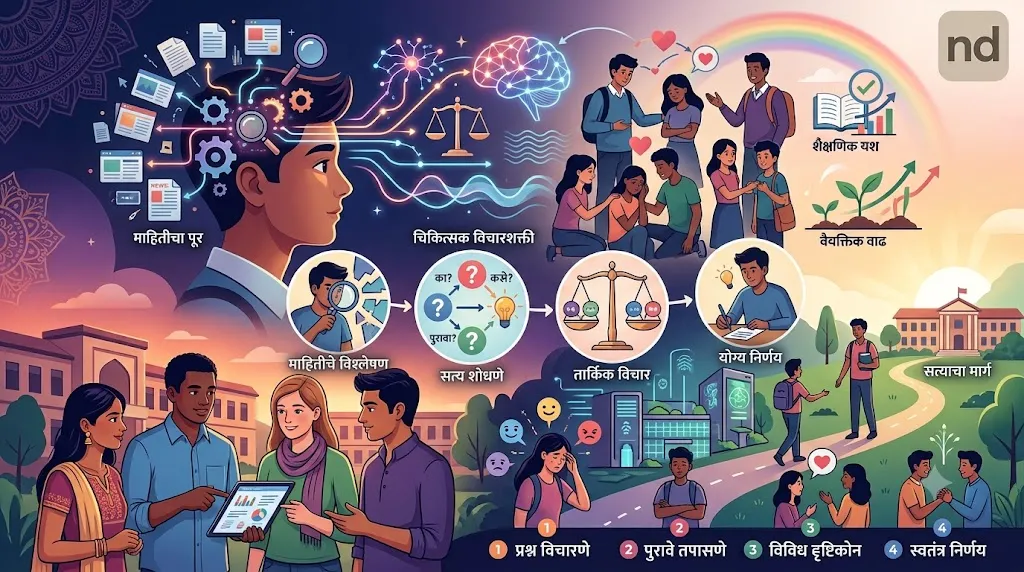
Today, a vast amount of information is available online, but much of it can be false or misleading, often referred to as 'fake news.' Critical thinking means not immediately believing everything you see online, but verifying its authenticity and thinking about it logically.
How to Verify Information:
- Check the Source: Where did the information come from? Is it from a reputable news organization or an unknown blog?
- Check Dates: When was the information published? Is it still relevant?
- Compare with Other Sources: Is the same information available from other reliable sources? Cross-reference information from multiple sources.
- Author's Credibility: Is information about the author available? Are they an expert on the subject?
- Suspicious Headlines: Don't immediately trust news with exaggerated or emotional headlines.
Positive Digital Footprint and Opportunities
The internet doesn't just bring risks; it opens doors to immense opportunities. By using it correctly, you can boost your education and personal development.
1. Using the Internet for Education
- Online Courses: You can complete courses on various subjects from platforms like Khan Academy, Coursera, and Udemy.
- Research: Find reliable information for your school projects or homework.
- Learning New Skills: Learn skills like coding, graphic design, or new languages online.
- Virtual Tours: Take virtual visits to various museums, historical sites, or natural wonders around the world.
2. For Better Connection and Collaboration
- Teacher Communication: Use online tools to connect with teachers and clarify doubts.
- Study with Friends: Utilize online tools for group projects and studying.
- Positive Communities: Join positive online communities aligned with your interests to expand your knowledge.
3. Your Digital Footprint
Everything you do online (posts, comments, likes, shares) creates your 'digital footprint.' This footprint can be permanent and impact your future. Therefore, always share positive and responsible content online. Your online reputation can affect your future career and opportunities.
Role of Parents and Teachers
The role of parents and teachers is crucial in imparting lessons on digital citizenship to students. They are not just guides but also role models for students.
- Communicate: Talk openly with children about online safety and their experiences.
- Set Rules: Establish clear rules and limits for screen time, online gaming, and social media use.
- Be a Role Model: How you behave online matters. Teach children by being a responsible digital citizen yourself.
- Stay Informed: Keep up-to-date with new apps, platforms, and online threats.
- Build Trust: Ensure children feel confident enough to seek your help if they face any difficulties online.
Did You Know?
- Around 5.3 billion people worldwide use the internet, which is over 66% of the total global population. (Source: DataReportal, 2024)
- In 2023, approximately 70% of children who were victims of cyberbullying did not tell their parents or another adult about it. (Source: Pew Research Center)
- Google processes about 3.5 billion search queries every day, meaning over 40,000 searches per second.
- The first email was sent in 1971 by Ray Tomlinson, who also introduced the use of the '@' symbol.
- India has over 800 million internet users, with approximately 60% of them from rural areas. (Source: TRAI, 2023)
Conclusion
Digital citizenship and online safety are fundamental skills in today's era. The internet is a powerful tool that can revolutionize your life if used correctly. By acting responsibly, being cautious of dangers, and thinking critically, you will not only keep yourself safe but also send a positive and effective message to the world as a responsible digital citizen. 'Paripath' will always continue to guide you on such important topics. Remember, the digital world is for you; make the best use of it and stay safe!