प्रिय विद्यार्थी मित्रांनो आणि आदरणीय शिक्षकांनो,
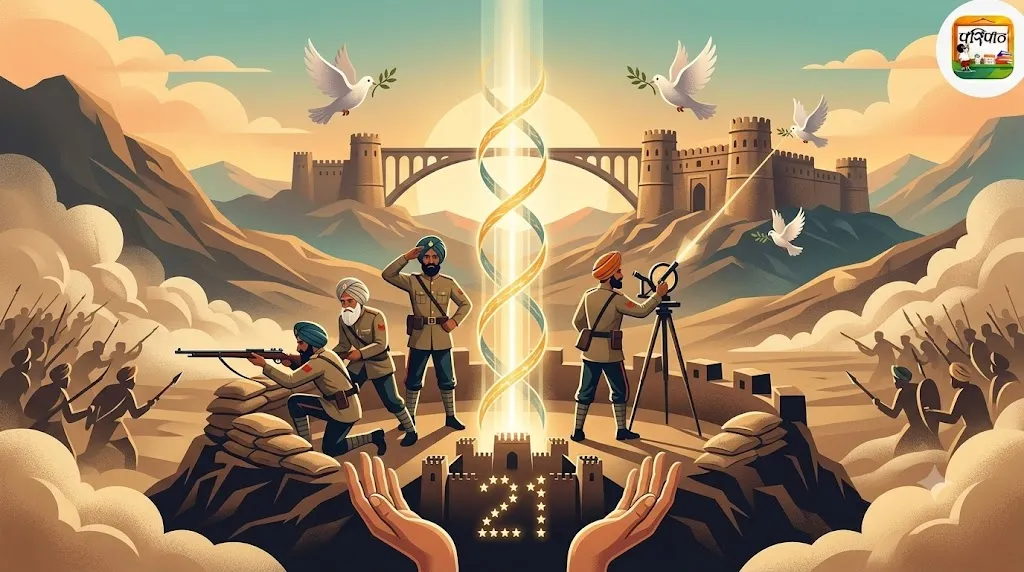
आज आपण भारताच्या इतिहासातील एका सुवर्ण अध्यायाची आठवण करणार आहोत – 1965 चे भारत-पाकिस्तान युद्ध. हे युद्ध केवळ सीमावर्ती संघर्ष नव्हते, तर ते भारतीय सैनिकांच्या अदम्य इच्छाशक्तीचे, शौर्याचे आणि देशाप्रती असलेल्या निष्ठेचे प्रतीक होते. या युद्धात आपल्या शूर जवानांनी जो पराक्रम गाजवला, तो आजही आपल्याला प्रेरणा देतो आणि प्रत्येक भारतीयाच्या मनात राष्ट्रीय अभिमानाची भावना जागृत करतो.
1965 चे युद्ध हे भारताच्या इतिहासातील एक महत्त्वाचे वळण होते, ज्याने जगाला भारतीय सैन्याची ताकद आणि दृढनिश्चय दाखवून दिला. या युद्धात भारतीय सैनिकांनी केवळ आपल्या भूमीचे रक्षण केले नाही, तर शत्रूच्या मोठ्या आणि आधुनिक शस्त्रास्त्रांनाही धैर्याने तोंड दिले. चला तर मग, या युद्धातील काही महत्त्वाच्या घटना आणि आपल्या शूर सैनिकांच्या अविस्मरणीय शौर्यगाथा जाणून घेऊया.
युद्धाची पार्श्वभूमी आणि सुरुवातीचे दिवस
1947 मध्ये भारताच्या फाळणीनंतर भारत आणि पाकिस्तान यांच्यातील संबंध नेहमीच तणावपूर्ण राहिले. काश्मीर हा दोन्ही देशांमधील वादाचा मुख्य मुद्दा होता. 1965 च्या युद्धाची सुरुवात पाकिस्तानने 'ऑपरेशन जिब्राल्टर' या नावाने काश्मीरमध्ये घुसखोरी करून केली. पाकिस्तानचा उद्देश काश्मीरमध्ये बंडखोरी भडकवून तेथे अशांतता निर्माण करणे आणि नंतर काश्मीर ताब्यात घेणे हा होता. सुरुवातीला कच्छच्या रणमध्ये काही चकमकी झाल्या, परंतु खऱ्या अर्थाने युद्धाला सुरुवात झाली ती ऑगस्ट 1965 मध्ये.
ऑगस्ट महिन्याच्या सुरुवातीला, पाकिस्तानने प्रशिक्षित घुसखोरांना (ज्यांना 'जिब्राल्टर फोर्स' असे म्हटले जात होते) जम्मू-काश्मीरमध्ये पाठवले. त्यांचा उद्देश स्थानिक जनतेला भारताच्या विरोधात भडकावणे आणि मोठ्या प्रमाणात विध्वंस घडवणे हा होता. पण भारतीय गुप्तचर यंत्रणा आणि स्थानिक नागरिकांच्या सतर्कतेमुळे पाकिस्तानचा हा डाव लवकरच उघड झाला. भारतीय सैन्याने या घुसखोरांना रोखण्यासाठी तातडीने कारवाई सुरू केली.
भारतीय सैन्याचे शौर्यगाथा: ऑपरेशन जिब्राल्टरचा मुकाबला
पाकिस्तानच्या घुसखोरीला प्रत्युत्तर म्हणून, भारतीय सैन्याने जोरदार कारवाई सुरू केली. घुसखोरांना हुसकावून लावण्यासाठी आणि त्यांच्या घुसखोरीच्या मार्गांना बंद करण्यासाठी भारतीय सैन्याने नियंत्रण रेषेवर (LOC) अनेक महत्त्वाच्या चौक्या ताब्यात घेतल्या. यापैकी 'हाजी पीर पास' (Haji Pir Pass) ताब्यात घेणे हे एक अत्यंत महत्त्वाचे आणि धाडसी ऑपरेशन होते. हाजी पीर पास हा एक मोक्याचा मार्ग होता, जो घुसखोरांना काश्मीरमध्ये प्रवेश करण्यासाठी वापरला जात होता.
हाजी पीर पासची विजयगाथा
26 ऑगस्ट 1965 रोजी भारतीय सैन्याने हाजी पीर पास ताब्यात घेण्यासाठी 'ऑपरेशन बख्शी' सुरू केले. 19 पॅराशूट रेजिमेंटच्या जवानांनी अत्यंत दुर्गम आणि धोकादायक पर्वतीय प्रदेशातून वाट काढत, शत्रूच्या जोरदार हल्ल्याला तोंड देत, हाजी पीर पासवर ताबा मिळवला. या विजयामुळे पाकिस्तानच्या घुसखोरीला मोठा धक्का बसला आणि भारतीय सैन्याच्या मनोबलात प्रचंड वाढ झाली. हाजी पीर पासवर भारताचा तिरंगा फडकावणे हे केवळ एक लष्करी यश नव्हते, तर ते भारतीय सैनिकांच्या दृढनिश्चयाचे आणि असामान्य शौर्याचे प्रतीक होते.
“कर्तव्य हेच परम धर्म!” - हे भारतीय सैनिकांचे ब्रीदवाक्य त्यांच्या प्रत्येक कृतीत दिसून येते. देशाच्या सन्मानासाठी आणि सुरक्षिततेसाठी त्यांनी दाखवलेला त्याग अतुलनीय आहे.
परमवीर चक्र विजेता अब्दुल हमीद: असला उत्तर
1965 च्या युद्धातील सर्वात प्रेरणादायक आणि अविस्मरणीय घटनांपैकी एक म्हणजे ‘असला उत्तर’ (Asal Uttar) ची लढाई, जिथे परमवीर चक्र विजेते हवालदार अब्दुल हमीद यांनी आपल्या प्राणांची आहुती देऊन भारताला ऐतिहासिक विजय मिळवून दिला. ही लढाई 8 ते 10 सप्टेंबर 1965 दरम्यान पंजाबमधील खेमकरण सेक्टरमध्ये झाली.
असला उत्तरची लढाई आणि पॅटन रणगाड्यांचा थरार
पाकिस्तानने अमेरिकेकडून मिळालेले अत्याधुनिक ‘पॅटन’ रणगाडे वापरून भारतावर हल्ला चढवला होता. हे रणगाडे अत्यंत शक्तिशाली मानले जात होते आणि त्यांच्यासमोर भारतीय सैन्याची साधने कमी पडतील अशी भीती होती. परंतु, 4 ग्रेनेडियर्स रेजिमेंटचे हवालदार अब्दुल हमीद यांनी आपल्या ‘गन माऊंटेड जीप’ मधून या रणगाड्यांना एकट्याने तोंड देण्याचा निर्णय घेतला.
10 सप्टेंबर 1965 रोजी, असला उत्तरच्या घनघोर युद्धात, हमीद यांनी आपल्या जीपमधून शत्रूच्या पॅटन रणगाड्यांवर अचूक निशाणा साधत एकामागून एक रणगाडे नष्ट केले. त्यांनी एकूण चार पॅटन रणगाडे उद्ध्वस्त केले आणि शत्रूला मोठ्या प्रमाणात नुकसान पोहोचवले. त्यांच्या या अविश्वसनीय शौर्यामुळे पाकिस्तानी सैन्यात गोंधळ उडाला आणि त्यांचा रणगाडा हल्ला पूर्णपणे थांबला. दुर्दैवाने, पाचवा रणगाडा नष्ट करत असताना, शत्रूच्या गोळीबारात ते गंभीर जखमी झाले आणि वीरगतीला प्राप्त झाले.
हवालदार अब्दुल हमीद यांच्या या अजोड पराक्रमामुळे ‘असला उत्तर’ हे युद्धभूमी भारतीय सैन्यासाठी ‘पॅटन रणगाड्यांची कबर’ (Grave of Patton Tanks) म्हणून ओळखली जाऊ लागले. त्यांना मरणोत्तर भारताचा सर्वोच्च लष्करी सन्मान, ‘परमवीर चक्र’ प्रदान करण्यात आला. त्यांचे शौर्य हे केवळ एका सैनिकाचे नाही, तर संपूर्ण भारतीय सैन्याच्या दृढनिश्चयाचे आणि आत्मविश्वासाचे प्रतीक आहे.
इतर महत्त्वाच्या लढाया आणि शौर्यगाथा
अब्दुल हमीद यांच्या व्यतिरिक्तही अनेक भारतीय सैनिकांनी 1965 च्या युद्धात अविस्मरणीय पराक्रम गाजवला. या युद्धात भारतीय सैन्याने अनेक ठिकाणी शत्रूला धूळ चारली.
डोगराई आणि फिल्लोराची लढाई
लाहोर सेक्टरमध्ये, भारतीय सैन्याने डोगराई आणि फिल्लोरा येथे महत्त्वपूर्ण विजय मिळवले. डोगराईची लढाई ही विशेषतः एक धाडसी कारवाई होती, जिथे भारतीय सैनिकांनी शत्रूच्या मजबूत तटबंदीला भेदून विजय मिळवला. फिल्लोरा येथे, भारतीय रणगाड्यांनी पाकिस्तानी रणगाड्यांचा मोठ्या प्रमाणात नाश केला, ज्यामुळे भारतीय रणगाडा दलाची ताकद सिद्ध झाली.
सियालकोट सेक्टरमधील रणगाडा युद्ध
सियालकोट सेक्टरमध्ये भारतीय सैन्याने इतिहासातील सर्वात मोठ्या रणगाडा युद्धांपैकी एक लढले. ‘ऑपरेशन नेवज’ अंतर्गत भारतीय सैन्याने सियालकोट शहराच्या दिशेने आगेकूच केली. या युद्धात भारतीय रणगाड्यांनी पाकिस्तानी रणगाड्यांना मोठ्या प्रमाणात नुकसान पोहोचवले आणि शत्रूच्या अनेक चौक्या ताब्यात घेतल्या. या लढाईत अनेक भारतीय सैनिकांनी अतुलनीय शौर्य दाखवले.
भारतीय हवाई दल आणि नौदलाचे योगदान
1965 च्या युद्धात केवळ भूदलच नाही, तर भारतीय हवाई दल (Indian Air Force) आणि भारतीय नौदल (Indian Navy) यांनीही महत्त्वपूर्ण भूमिका बजावली. भारतीय हवाई दलाने शत्रूच्या हवाई हल्ल्यांना परतवून लावले आणि भूदलाला हवाई संरक्षण पुरवले. त्यांनी शत्रूच्या रणगाड्यांवर आणि लष्करी तळांवर यशस्वी हल्ले केले, ज्यामुळे भूदलाला मोठी मदत मिळाली.
भारतीय नौदलाने ‘ऑपरेशन द्वारका’ (Operation Dwarka) अंतर्गत पाकिस्तानच्या द्वारका बंदरावर हल्ला चढवला. हा हल्ला प्रतीकात्मक असला तरी, त्याने पाकिस्तानला नौदलाच्या ताकदीची जाणीव करून दिली आणि भारतीय नौदलाचे मनोबल वाढवले. या युद्धात तिन्ही सैन्य दलांनी एकत्रितपणे काम केले आणि शत्रूला पराभूत करण्यासाठी सर्वतोपरी प्रयत्न केले.
राष्ट्रीय एकता आणि सैनिकांचा त्याग
1965 चे युद्ध हे केवळ लष्करी शौर्याचे प्रतीक नव्हते, तर ते राष्ट्रीय एकात्मतेचे आणि दृढनिश्चयाचेही प्रतीक होते. या युद्धात संपूर्ण भारत एका कुटुंबाप्रमाणे सैनिकांच्या पाठीशी उभा राहिला. सामान्य नागरिकांनी सैनिकांना शक्य ती सर्व मदत केली, रक्तदान केले आणि निधी गोळा केला. या राष्ट्रीय एकतेमुळे सैनिकांचे मनोबल वाढले आणि त्यांना शत्रूचा सामना करण्यासाठी अधिक बळ मिळाले.
या युद्धात हजारो भारतीय सैनिकांनी आपल्या प्राणांची आहुती दिली. त्यांच्या त्यागामुळेच आज आपण सुरक्षित आणि स्वतंत्र भारतात जगत आहोत. आपल्याला हे कधीही विसरता कामा नये की, आपल्या देशाचे रक्षण करण्यासाठी सीमेवर आपले सैनिक रात्रंदिवस जागून उभे असतात. त्यांचे बलिदान हे आपल्या राष्ट्रीय अस्मितेचा आणि अभिमानाचा अविभाज्य भाग आहे.
स्मृती आणि प्रेरणा
आपल्या शूर सैनिकांचे शौर्य आणि त्याग हे केवळ इतिहासाचा भाग नाहीत, तर ते आपल्या भविष्यासाठी प्रेरणास्रोत आहेत. त्यांच्या कथा आपल्याला धैर्य, निस्वार्थ सेवा आणि देशाप्रती निष्ठेचे महत्त्व शिकवतात. आपण त्यांच्या बलिदानाला नेहमीच आदराने स्मरले पाहिजे आणि त्यांच्यापासून प्रेरणा घेऊन एक मजबूत आणि एकजूट राष्ट्र घडवण्यासाठी प्रयत्न केले पाहिजेत.
आजही, आपण जेव्हा 6 सप्टेंबर 2026 रोजी 1965 च्या युद्धाची आठवण करतो, तेव्हा आपल्याला हे लक्षात येते की आपल्या देशाची सुरक्षा ही आपल्या सैनिकांच्या पराक्रमावर अवलंबून आहे. त्यांचे शौर्य हे केवळ युद्धाच्या मैदानातच नव्हे, तर शांततेच्या काळातही आपल्यासाठी एक प्रकाशस्तंभ आहे.
सारांश
1965 चे भारत-पाकिस्तान युद्ध हे भारतीय सैनिकांच्या अदम्य शौर्य, त्याग आणि देशाप्रती असलेल्या निष्ठेचे एक ज्वलंत उदाहरण आहे. परमवीर चक्र विजेते अब्दुल हमीद यांच्यासारख्या असंख्य वीरांनी आपल्या प्राणांची पर्वा न करता मातृभूमीचे रक्षण केले. हाजी पीर पासचा विजय असो, असला उत्तरची रणगाडा-संहारक लढाई असो, किंवा हवाई दल आणि नौदलाचे योगदान असो, प्रत्येक आघाडीवर भारतीय सैनिकांनी आपला पराक्रम सिद्ध केला. या युद्धाने भारताला केवळ एक लष्करी विजयच दिला नाही, तर राष्ट्रीय एकात्मतेची आणि सामूहिक दृढनिश्चयाची भावनाही बळकट केली. आपल्याला आपल्या शूर सैनिकांचा अभिमान वाटला पाहिजे आणि त्यांच्या बलिदानाला नेहमीच आदराने स्मरले पाहिजे. त्यांचे शौर्य हे आपल्यासाठी नेहमीच प्रेरणास्रोत राहील.
तुम्हाला माहीत आहे का?
- 1965 च्या युद्धात भारतीय सैन्याने पाकिस्तानच्या अनेक पॅटन रणगाड्यांना नष्ट केले, ज्यामुळे ‘पॅटन रणगाड्यांची कबर’ हे नाव असला उत्तर या भागाला मिळाले.
- हवालदार अब्दुल हमीद हे परमवीर चक्र मिळवणारे पहिले भारतीय सैनिक होते ज्यांनी जीपमध्ये बसून रणगाड्यांचा सामना केला.
- या युद्धात भारतीय हवाई दलाने पाकिस्तानच्या हवाई दलाला मोठे नुकसान पोहोचवले आणि हवाई श्रेष्ठत्व सिद्ध केले.
- युद्धानंतर, सोव्हिएत युनियनच्या मध्यस्थीने ताश्कंद येथे भारत आणि पाकिस्तान यांच्यात करार झाला, ज्याला ‘ताश्कंद करार’ असे म्हणतात.
- भारतीय सैन्याने हाजी पीर पासवर ताबा मिळवून, काश्मीरमध्ये घुसखोरी करणाऱ्या पाकिस्तानी घुसखोरांचे मार्ग बंद केले.